All you need to know about: angioplasty
Angioplasty is a minimally invasive, non-surgical procedure performed primarily in arteries supplying oxygenated blood to the heart, neck, legs or kidneys
Angioplasty, once a term exclusive to medical circles, is now widely understood. Indian hospital data from 2020 to 2023 shows that nearly half of heart attack victims are under 40. Men's risk of cardiovascular disease increased from 21.5% to 32% between 2004-06 and 2019-21, while women's risk rose from 17.8% to 27.7% during the same period.
Here's everything you need to know about angioplasty. The term 'angio' comes from Greek meaning vessel or container, while 'plasty' refers to shaping or grafting. It's a minimally invasive procedure primarily performed on arteries that supply oxygenated blood to the heart, neck, legs, or kidneys. Occasionally, it's used to remove blockages in veins.
Plaques, mainly made of fat and cholesterol, can accumulate in blood vessels, causing atherosclerosis, which narrows the vessels and blocks blood flow. Plaques are commonly found in arteries transporting oxygenated blood from the heart. Angioplasty aims to remove these plaques, allowing blood to flow freely and preventing serious complications like heart attacks.
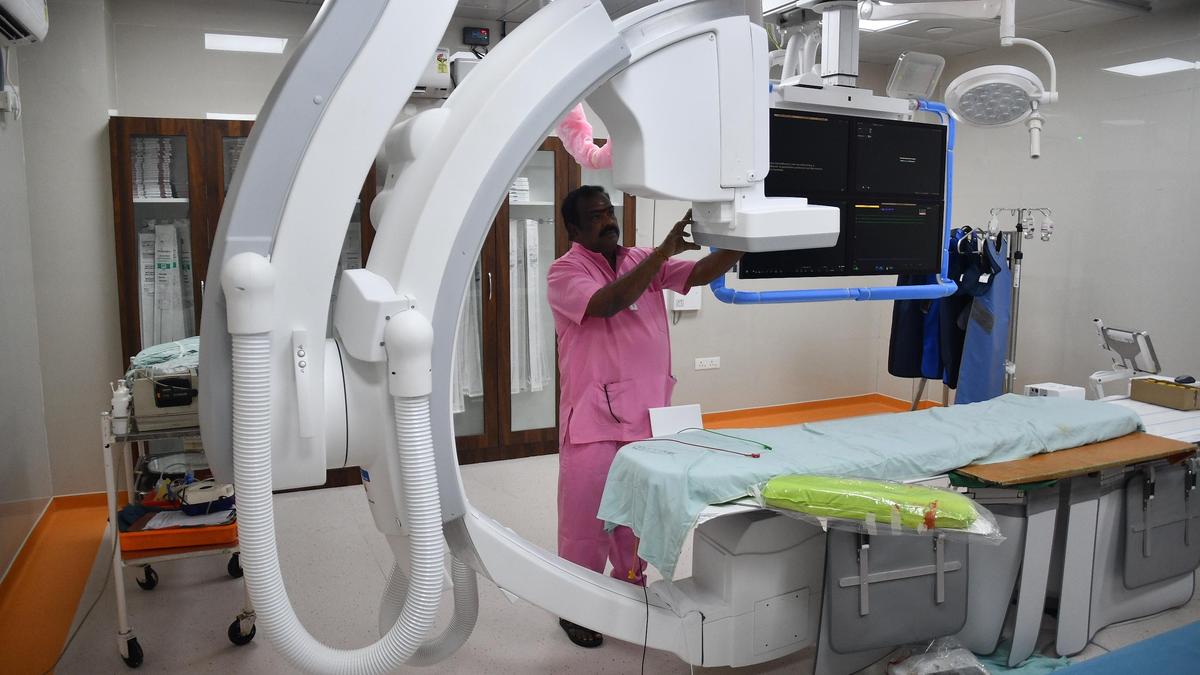
The procedure is usually done under local anesthesia, and patients remain awake. The doctor makes an incision in an artery in the arm, wrist, or groin, using live X-ray guidance to insert a catheter with a deflated balloon. A contrast dye highlights the block, and the balloon is inflated at the site, pushing the plaque against the artery walls.
A stent may be placed to keep the artery open, preventing it from closing again. The balloon is then deflated and removed, and the stent restores blood flow. Post-procedure, patients are observed for a few hours before being discharged. Angioplasty is recommended to prevent heart attacks or further attacks in those who have had one.
People with carotid artery disease, which carries blood to the brain, or chronic kidney disease are also candidates. Plaques in coronary arteries, major arteries in limbs or pelvis, or those causing peripheral artery disease may also require angioplasty. Most patients can resume normal activities within days to weeks after the procedure.
Doctors may recommend lifestyle changes including a healthy diet, regular exercise, quitting smoking, and reducing alcohol consumption. Medication and cardiac rehabilitation programs may also be suggested.
Written by urgent.news from The Hindu - Sci-Tech's reporting — not their text. Machine-written — may contain errors; check the original before relying on it.
Also reported by 1 other outlet
- All you need to know about: angioplasty thehindu.com