All you need to know about: sarcoidosis
Sarcoidosis is believed to be an exaggerated response of the immune system either due to a genetic disposition or due to environmental triggers
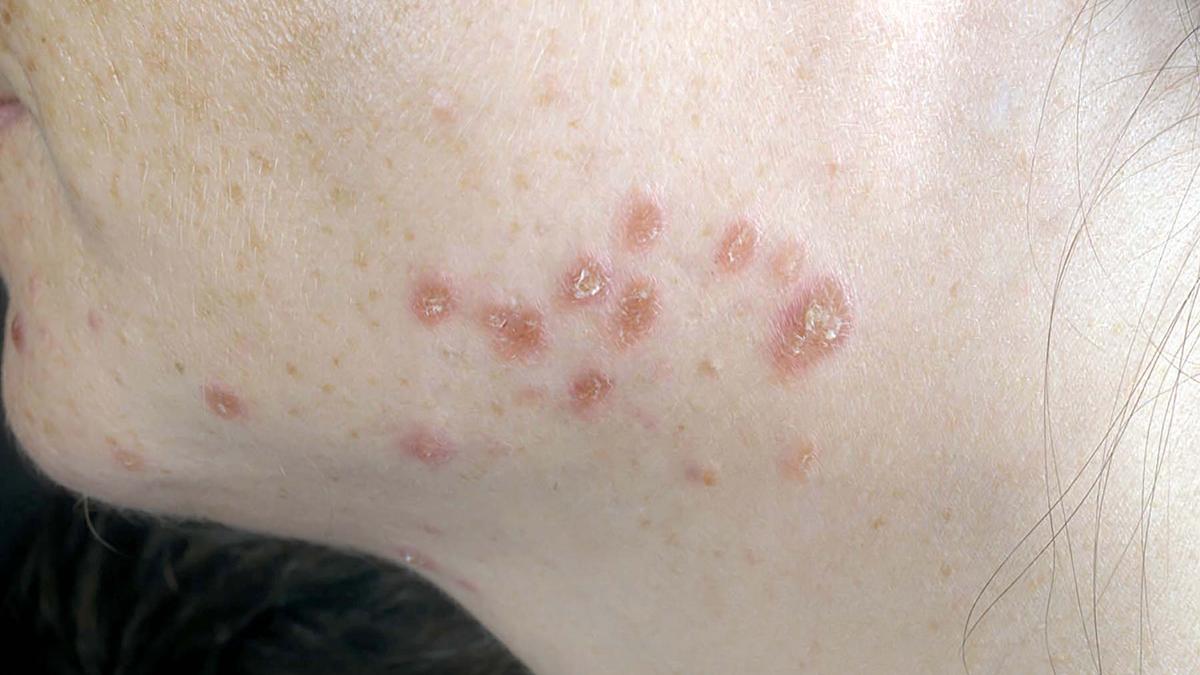
Sarcoidosis is a rare inflammatory disease that impacts various organs. The exact cause remains unknown, yet it's believed to arise from either genetic factors or environmental triggers, prompting an exaggerated immune system response. This leads to the formation of granulomas, or lumps, in different parts of the body, often affecting the lungs and chest lymph nodes. Symptoms can range from fatigue and shortness of breath to skin rashes, eye issues, heart irregularities, and even facial numbness or discolouration.
While many people might remain symptom-free, around one-third need long-term treatment, and a chronic form requiring over two to five years of care exists. Globally, approximately 1.2 million individuals are afflicted, with a higher prevalence in the African American population. In India, the actual incidence might be much higher due to the lack of recognition amidst a high tuberculosis burden.
Advanced sarcoidosis, diagnosed after two to five years, can lead to severe complications such as fatigue, pain, cognitive issues, neuropathy, and depression. Treatment typically involves corticosteroids, and exclusive clinics with multidisciplinary teams could provide better care. Despite its rarity, five to ten percent of diagnosed individuals have advanced sarcoidosis, highlighting the need for more research to develop effective treatment strategies.
Written by urgent.news from The Hindu Health's reporting — not their text. Machine-written — may contain errors; check the original before relying on it.
This story
This is one outlet's version. Read the fullest account.
- All you need to know about: sarcoidosis thehindu.com