Psoriasis cases are on the rise, say dermatologists. What are the causes and how do you treat the condition?
Psoriasis plaques occur because of an overactive immune system, resulting in faster skin cell growth, leading to skin cells piling up on the surface; new medications are helping patients, however, the rise in non-communicable diseases and exposure to chemicals is causing an increase in cases, say experts
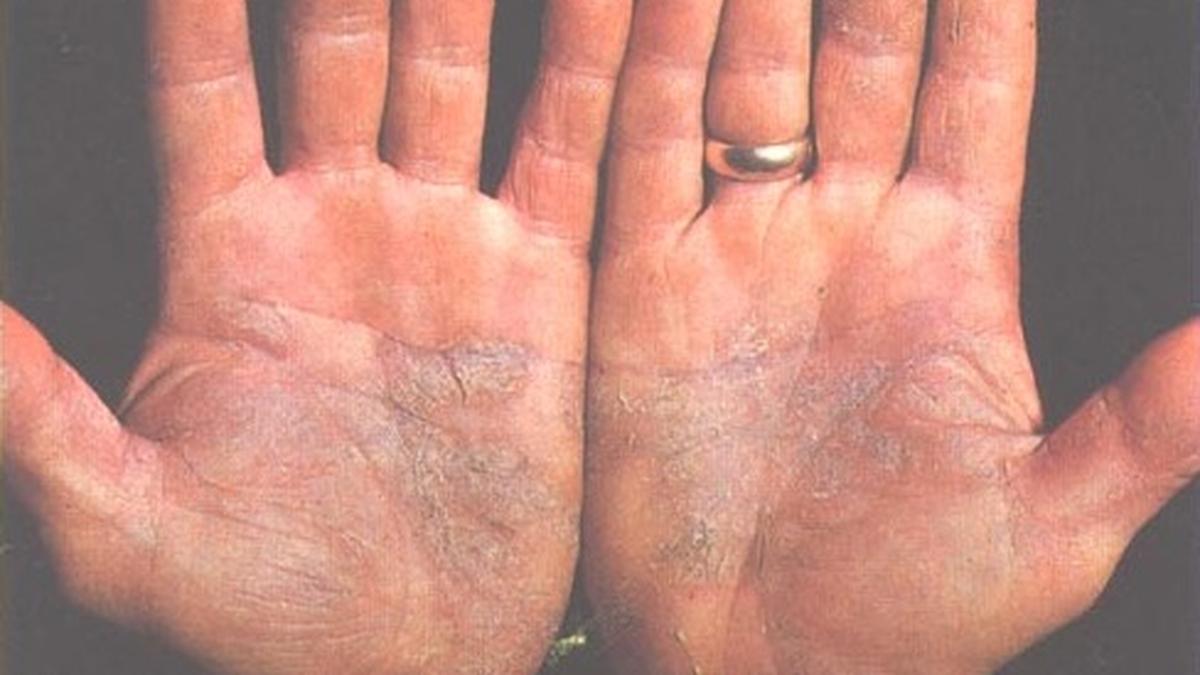
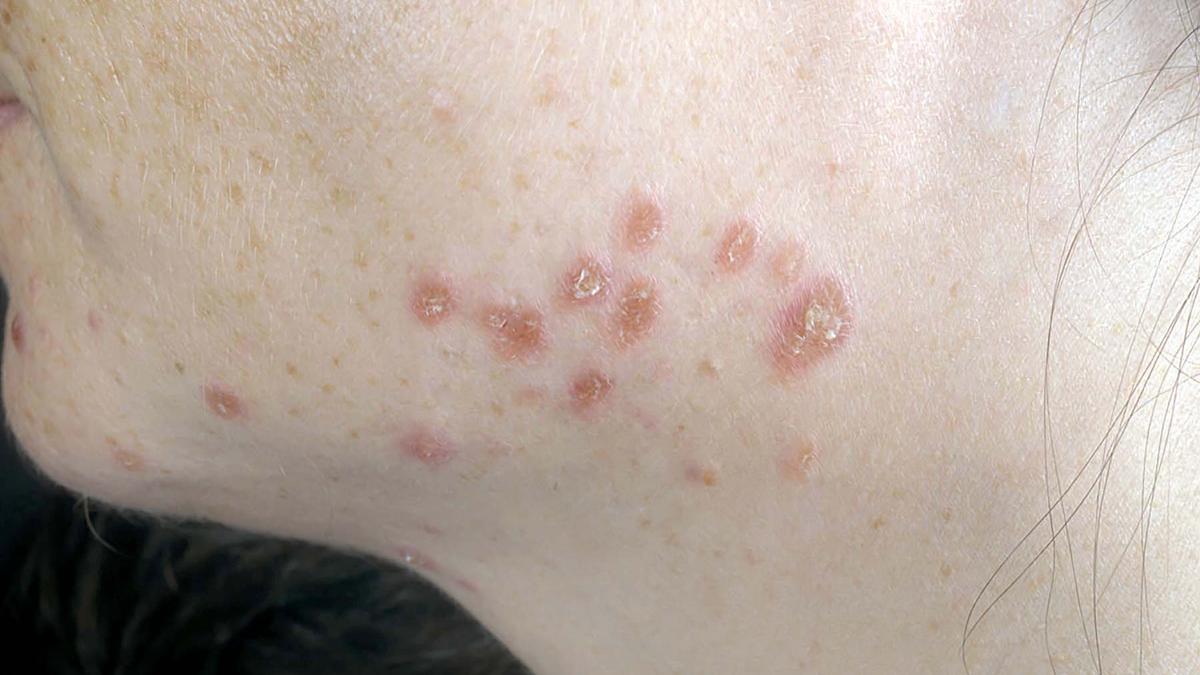
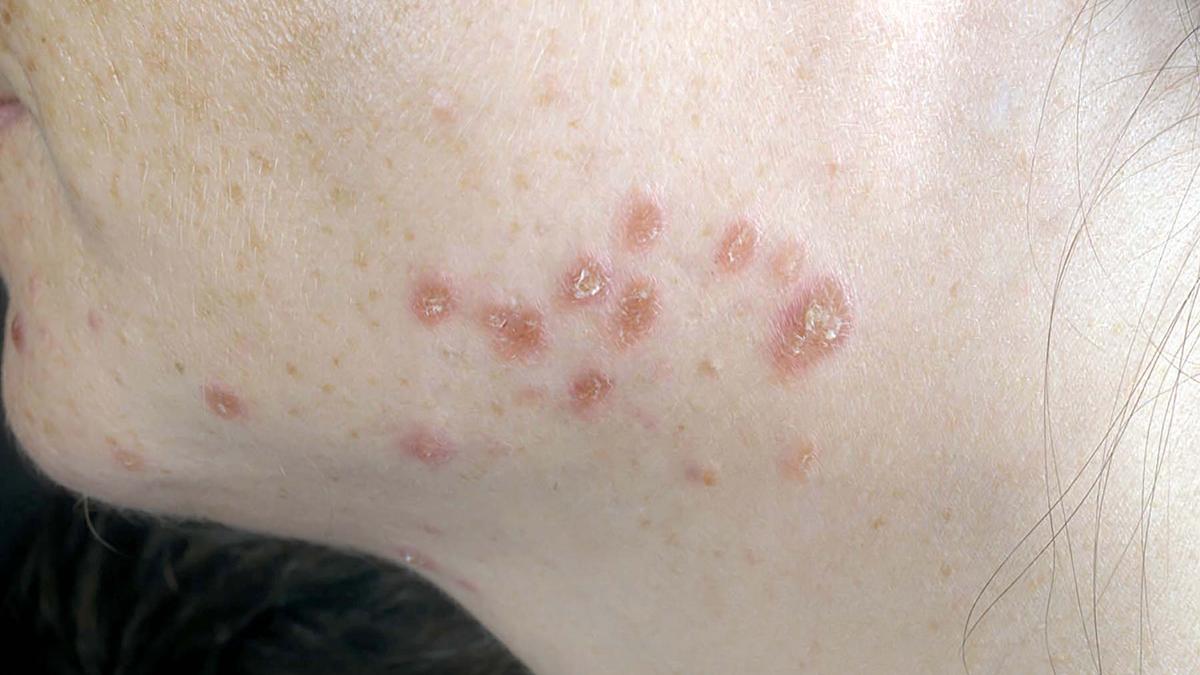
Psoriasis is a chronic skin disorder characterized by the appearance of red, scaly plaques, particularly on areas such as the knees, elbows, naval, buttocks, lower back, ears and hairline. The severity of the condition varies, ranging from mild discomfort to severe, debilitating symptoms. Dermatologists explain that psoriasis is a systemic inflammatory condition that affects multiple body systems beyond the skin.
The National Psoriasis Foundation attributes psoriasis to an overactive immune system, leading to rapid skin cell growth.
Symptoms of psoriasis include flaky skin, raised, discolored bumps on the skin, and in some cases, blisters, itching, and bleeding. Nail changes may also occur, such as ridges or pustules. Psoriasis is not contagious, but it can lead to low self-esteem in patients. The condition can run in families, as demonstrated by the case of Krishnan, whose father, brother, and he all have the condition.
The prevalence of psoriasis in India varies from 0.44% to 2.8%, according to research published in the Indian Journal of Dermatology. Factors that exacerbate the condition include diabetes, co-morbid conditions like hypertension and thyroid dysfunction, and stressors such as work and family pressures. While mild cases can be managed with creams and topical treatments, severe cases may require biological drugs to target overactive parts of the immune system.
Lifestyle modifications, such as avoiding triggers and maintaining a healthy weight, can help manage symptoms.
A recent increase in psoriasis cases has been observed by U.R. Dhanalakshmi, a dermatologist from Chennai. She attributes this rise to factors such as diabetes and other metabolic syndromes. The condition can manifest in various forms, including chronic plaque on elbows and knees, and persistent infection in the scalp. Dr. Monisha Madhumita, an assistant professor in dermatology at Saveetha Medical College in Chennai, notes that more younger populations are being affected by psoriasis, and emphasizes the importance of considering its impact on mental health.
Written by urgent.news from The Hindu Health's reporting — not their text. Machine-written — may contain errors; check the original before relying on it.
This story
This is one outlet's version. Read the fullest account.