Psoriasis cases are on the rise, say dermatologists. What are the causes and how do you treat the condition?
Psoriasis plaques occur because of an overactive immune system, resulting in faster skin cell growth, leading to skin cells piling up on the surface; new medications are helping patients, however, the rise in non-communicable diseases and exposure to chemicals is causing an increase in cases, say experts
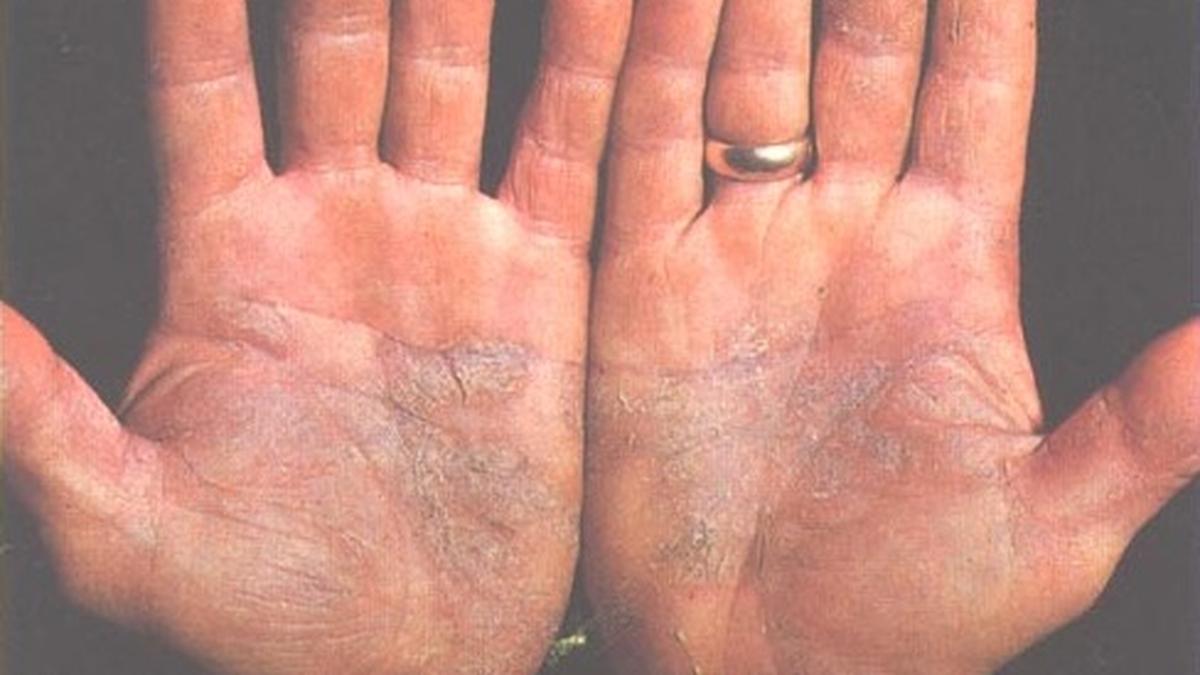
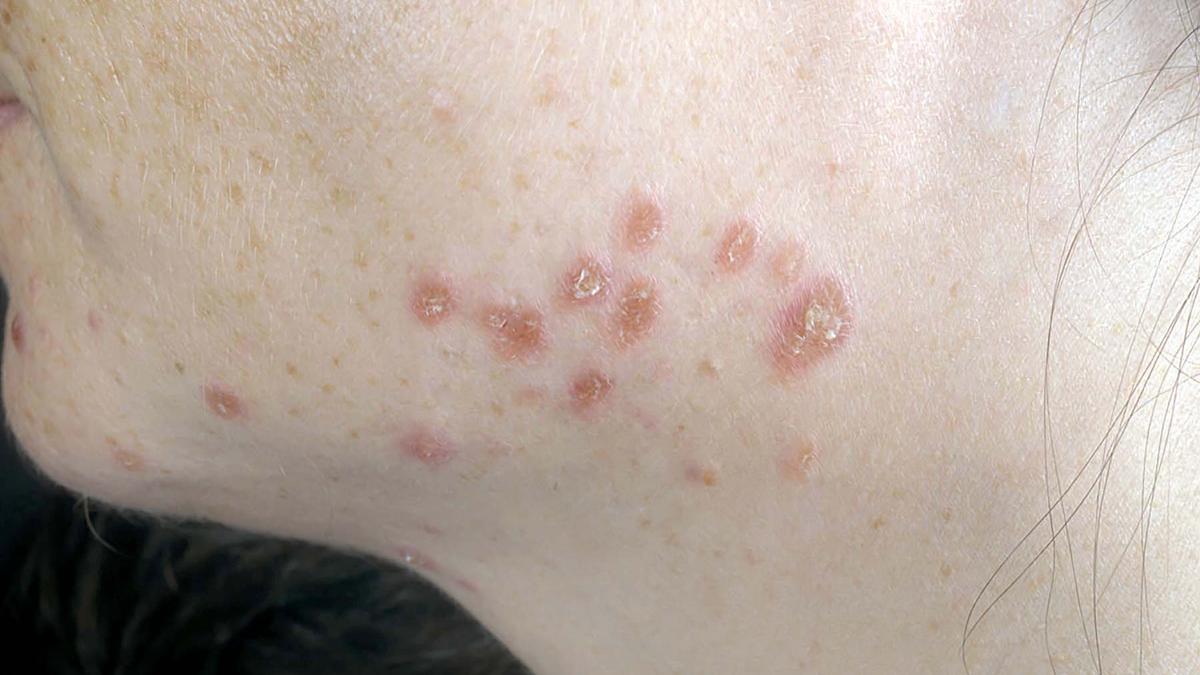
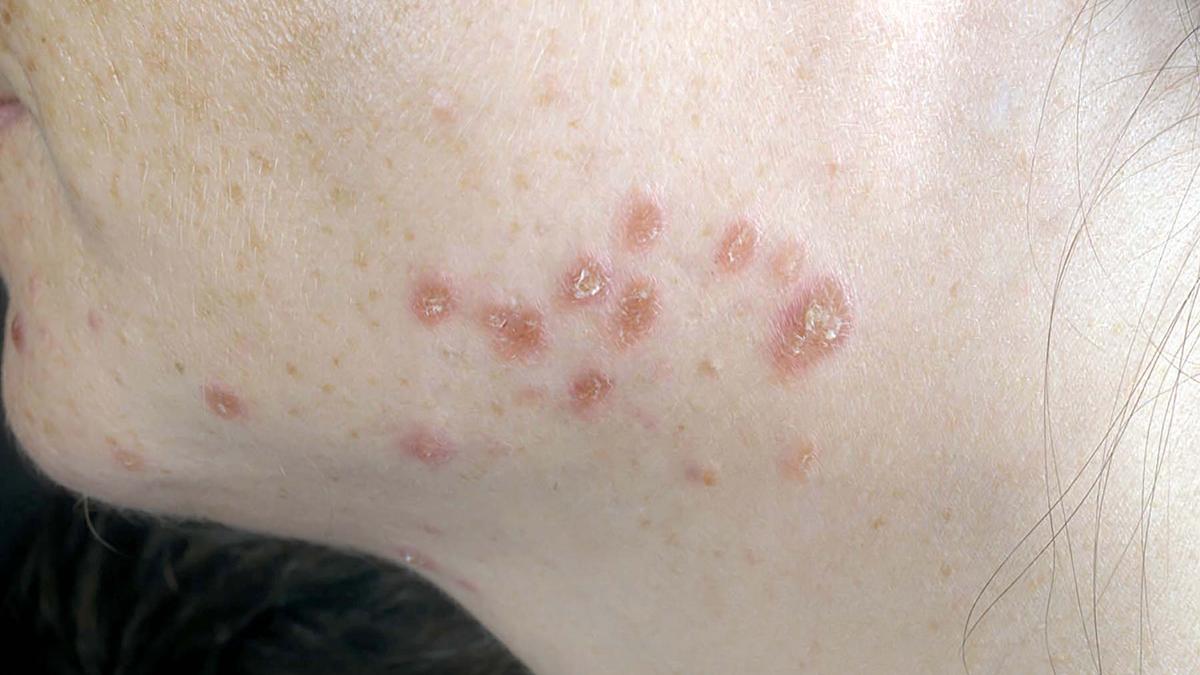
Psoriasis is a chronic skin disorder characterized by red, scaly plaques that appear on the skin, most commonly affecting the knees, shins, elbows, naval, buttocks, lower back, ears, and hairline. The condition can also cause pitting of nails and is not contagious. According to dermatologists, psoriasis results from an overactive immune system, causing skin cells to grow and pile up on the skin's surface faster than normal.
Symptoms include flaky skin, raised, discolored bumps, and in some cases, blisters, itching, and bleeding. The condition can affect various parts of the body, including the palms, soles, scalp, and skin folds.
Psoriasis is not a result of poor hygiene and varies in severity, ranging from mild discomfort to debilitating forms. It can occur in individuals with or without a genetic predisposition. While the condition is primarily skin-related, it is considered a systemic inflammatory condition affecting multiple body systems. Factors such as family history, stress, obesity, exposure to microplastics, and personal care product use may contribute to the rise in psoriasis cases.
Treatment options for psoriasis include over-the-counter creams and lotions for mild cases and biological drugs for severe cases. Lifestyle modifications, such as avoiding triggers and maintaining a healthy weight, can also help manage symptoms. Despite advancements in treatment, the condition remains challenging for many patients, affecting their quality of life, mental health, and overall well-being.
Written by urgent.news from The Hindu - Sci-Tech's reporting — not their text. Machine-written — may contain errors; check the original before relying on it.