All you need to know about: scoliosis
Scoliosis treatment centres in the country estimate that around 2-3% of the population could be affected. While in Western countries screening of school children is routine, the same cannot be said of in India
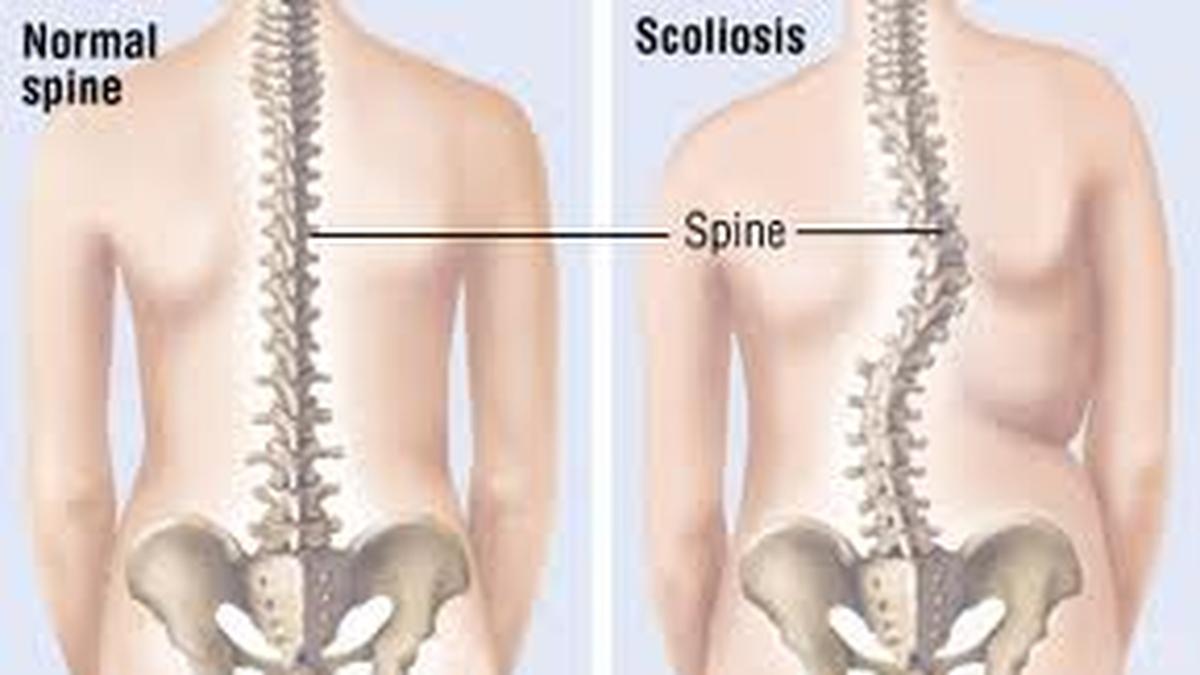
Scoliosis is a condition characterized by an unnatural curvature of the spine, which can develop during early childhood or the early teenage years. The curvature may resemble an 'S' or 'C' shape, and its severity can range from mild to very severe. While some individuals with mild scoliosis may not experience any pain and lead a normal life, others may develop chronic back pain, breathing difficulties, or a bone protruding through the skin as they age.
The spinal curve can also affect the development of bones, leading to an unbalanced appearance of the body. Symptoms like uneven shoulders, arched ribs, uneven waistline and hip, and limbs of different lengths may also arise. Scoliosis can occur at any age and is challenging to monitor, as it is not always life-threatening if detected early.
Braces may be recommended for those with moderate curvature to prevent further progression, while severe cases may require surgical intervention with screws and rods to maintain spine alignment. Although the exact cause of most cases of scoliosis remains unknown, it could run in families and is associated with certain neuromuscular conditions.
Four types of scoliosis exist - idiopathic (unknown cause), congenital (abnormal vertebrae formation during fetal development), neuromuscular (caused by neurological or muscular conditions), and degenerative (occurring in older adults due to arthritis or disc wear and tear). Idiopathic scoliosis accounts for nearly 80% of cases.
Women are more prone to the condition worsening, necessitating treatment. Scoliosis is less prevalent in India due to lack of routine screening in school children, and a study in Jammu and Kashmir revealed a lower prevalence among females compared to males. Further population and genetic studies are necessary to raise awareness and understanding of scoliosis in India.
Written by urgent.news from The Hindu - Sci-Tech's reporting — not their text. Machine-written — may contain errors; check the original before relying on it.
This story
This is one outlet's version. Read the fullest account.
- All you need to know about: scoliosis thehindu.com