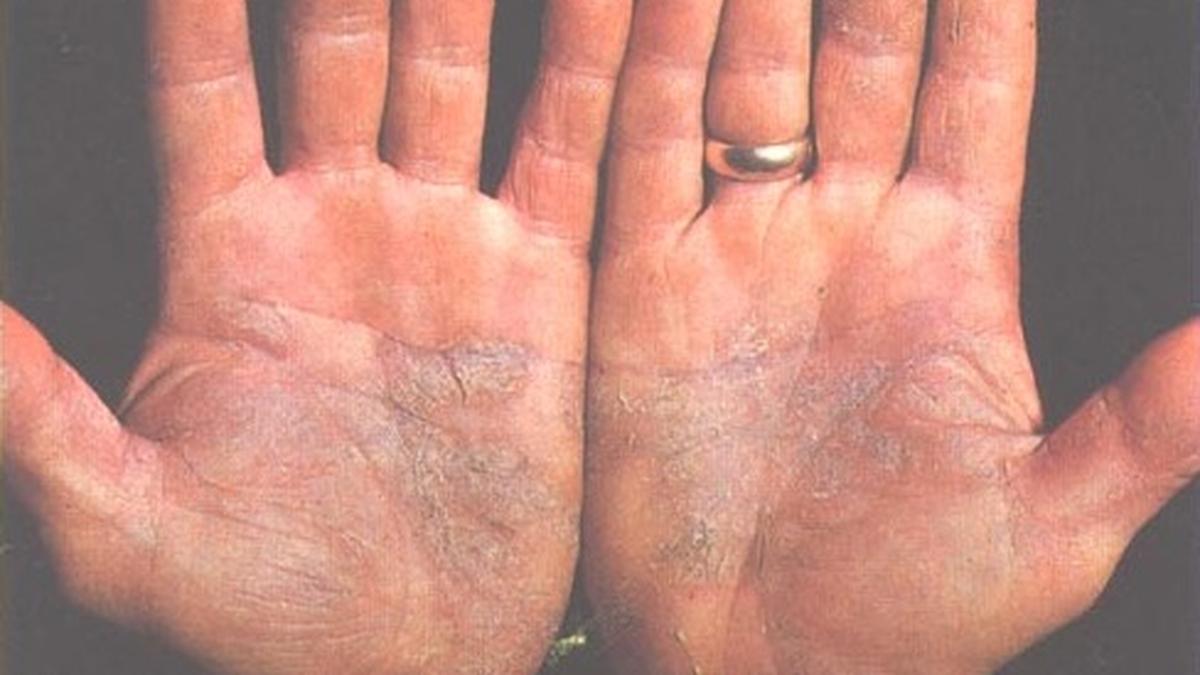
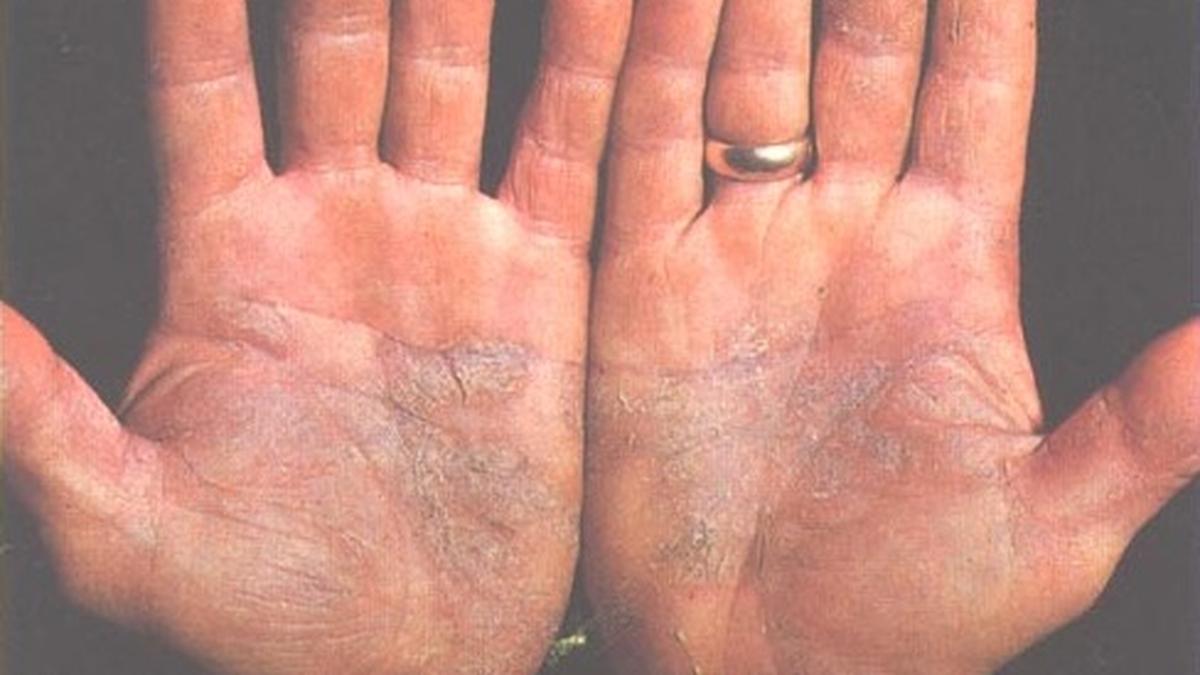
All you need to know about: sarcoidosis
Sarcoidosis is believed to be an exaggerated response of the immune system either due to a genetic disposition or due to environmental triggers
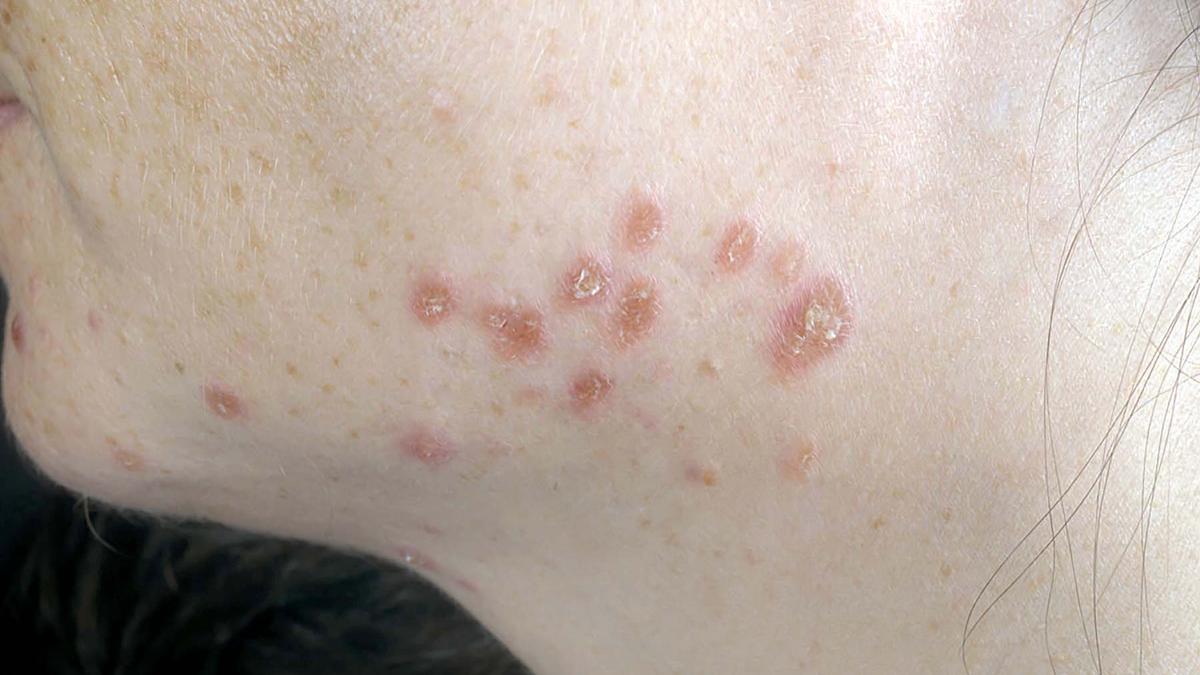
Sarcoidosis is an inflammatory condition that can impact various organs in the body. This chronic inflammation can lead to permanent scarring of the affected tissues, although the exact cause remains unknown. Considered a rare disease, researchers are working to better understand sarcoidosis' causes, diagnosis, and treatment options.
Sarcoidosis is believed to result from an overactive immune system, possibly due to genetic predisposition or environmental triggers. The disease manifests as small collections of immune system cells called granulomas in different parts of the body. These granulomas are typically red and swollen lumps on the skin or within organs.
Commonly found in the lungs and chest lymph nodes, sarcoidosis symptoms may include fatigue, shortness of breath, wheezing, chronic cough, skin rashes, red eyes, irregular heartbeat, weakness, and numbness in limbs or facial parts, discolouration of the nose, cheeks, lips or ears, and chest pain. Some individuals may experience no symptoms, while others may endure lifestyle-altering symptoms.
About one-third of those diagnosed may need long-term treatment, and in cases where the disease persists for two to five years, it can become life-threatening. In the United States, an estimated 150,000 to 200,000 people live with sarcoidosis, with a higher incidence among African Americans (34 per 100,000) compared to the white population (11 per 100,000). Globally, around 1.2 million individuals have the condition.
Researchers from the All India Institute of Medical Sciences, New Delhi, found that the prevalence of sarcoidosis in India may be higher than previously estimated, with figures ranging from 10-12 cases per 1,000 new respiratory unit registrations in Kolkata and 61.2 cases per 100,000 new cases in Delhi. This discrepancy suggests that sarcoidosis is often overlooked due to the high incidence of tuberculosis in India.
At AIIMS, Delhi, around 100 new pulmonary sarcoidosis cases are diagnosed annually, highlighting the disease's significance despite its rarity. To raise awareness, patient advocate organizations and researchers have called for increased research to develop effective treatment strategies. Dr. Rashi Jain, a pulmonary medicine specialist at AIIMS, Delhi, emphasized that low awareness in India often leads to misdiagnosis, causing mental stress due to the extensive evaluations and tests required.
She called for dedicated sarcoidosis clinics staffed by multidisciplinary healthcare professionals to provide comprehensive care. Approximately 25% to 30% of patients develop extrapulmonary sarcoidosis, affecting various body parts differently. Men are more likely to experience heart complications, while women often face skin and eye issues.
While many individuals with sarcoidosis recover, those with advanced disease (active for over two to five years) require treatment options such as corticosteroids and other therapies. Patients on advanced treatment may also face additional challenges, including fatigue, pain, cognitive difficulties, neuropathy, exercise intolerance, and depression, alongside potential comorbidities like diabetes and high blood pressure.
Written by urgent.news from The Hindu - Sci-Tech's reporting — not their text. Machine-written — may contain errors; check the original before relying on it.
Also reported by 1 other outlet
- All you need to know about: sarcoidosis thehindu.com