Why Siberia’s warming landscape could shatter Trump’s Arctic ambitions
As the United States, Russia and China race to turn a melting Arctic into the world’s next major economic gateway, their strategic ambitions face a hidden threat: thawing permafrost. Since returning to office last year, US President Donald Trump has pushed to expand America’s Arctic footprint. This includes investing in icebreakers to counter Russian and Chinese shipping ambitions, unlocking…
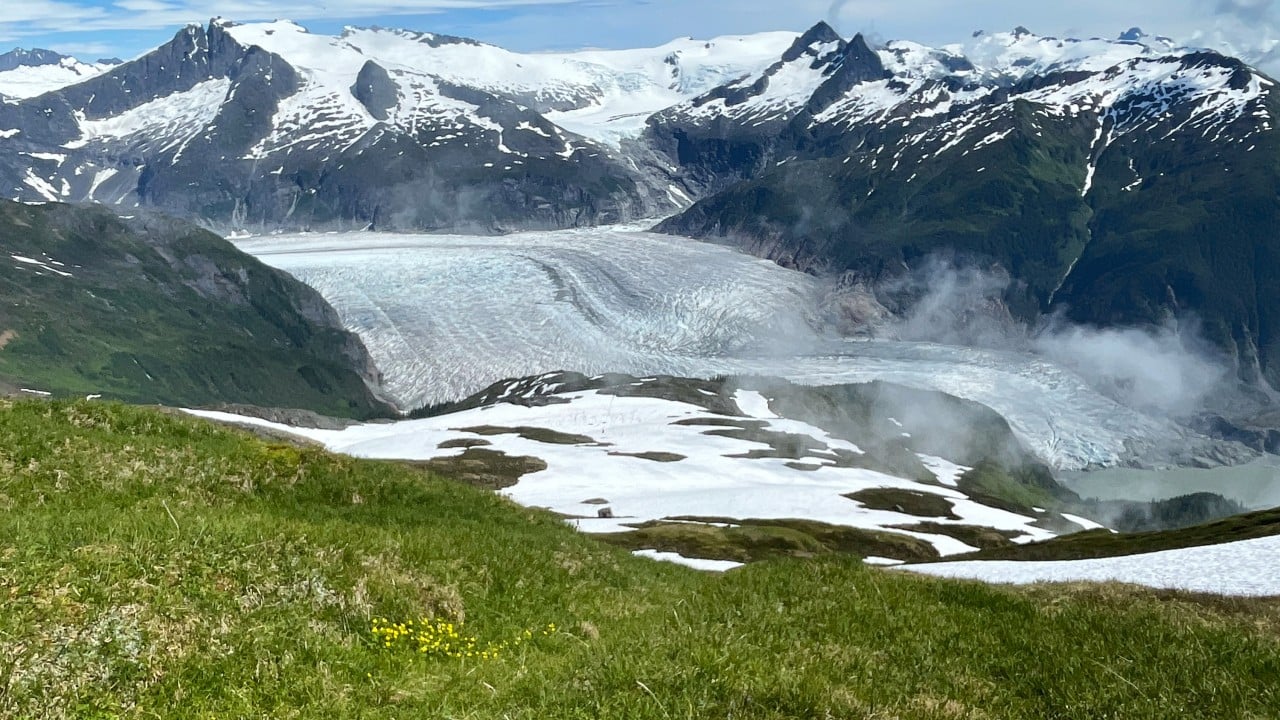
A new study led by Chinese scientists warns that the rapid thawing of permafrost in Russia's Siberia may render the U.S. Arctic ambitions under the Trump administration moot. Since taking office, President Trump has sought to expand America's presence in the Arctic, investing in icebreakers to counter Russian and Chinese shipping, seeking to unlock natural resources in Alaska, and renewing efforts to buy or annex Greenland.
However, the study reveals that thawing permafrost could have dire consequences, releasing a significant amount of greenhouse gas, which could undermine global climate goals. Approximately 46% of the northern hemisphere's permafrost is in Siberia, and by 2050, methane emissions from thawing permafrost could negate 20% of the global methane reduction required to meet climate targets.
With the majority of the region's infrastructure already compromised by the current state of thawing, including buildings, roads, railways, airports, pipelines, oilfields, and mines, Russia stands to lose the most economically. The study estimates that about 69% of fundamental circumpolar infrastructure could face damage by the middle of the century, resulting in billions of dollars in economic losses.
Russia's mining, oil, and gas operations, crucial to its economy, are particularly vulnerable. Alaska, with permafrost covering about 80% of its land surface, could also face significant losses. While some potential benefits exist, such as reduced heating costs and expanded agricultural land, the threat of methane emissions and permafrost instability looms large.
Written by urgent.news from South China Morning Post's reporting — not their text. Machine-written — may contain errors; check the original before relying on it.