Korea, NASA partner to map radiation at moon's south pole
As space agencies around the world prepare for a historic return to the moon, one of the greatest dangers confronting future astronauts remains an invisible threat: cosmic radiation. To help map this hazardous environment, Korea’s newly formed space agency has secured a key partnership with NASA to land a domestically developed radiation detector on the lunar south pole. The Korea AeroSpace…
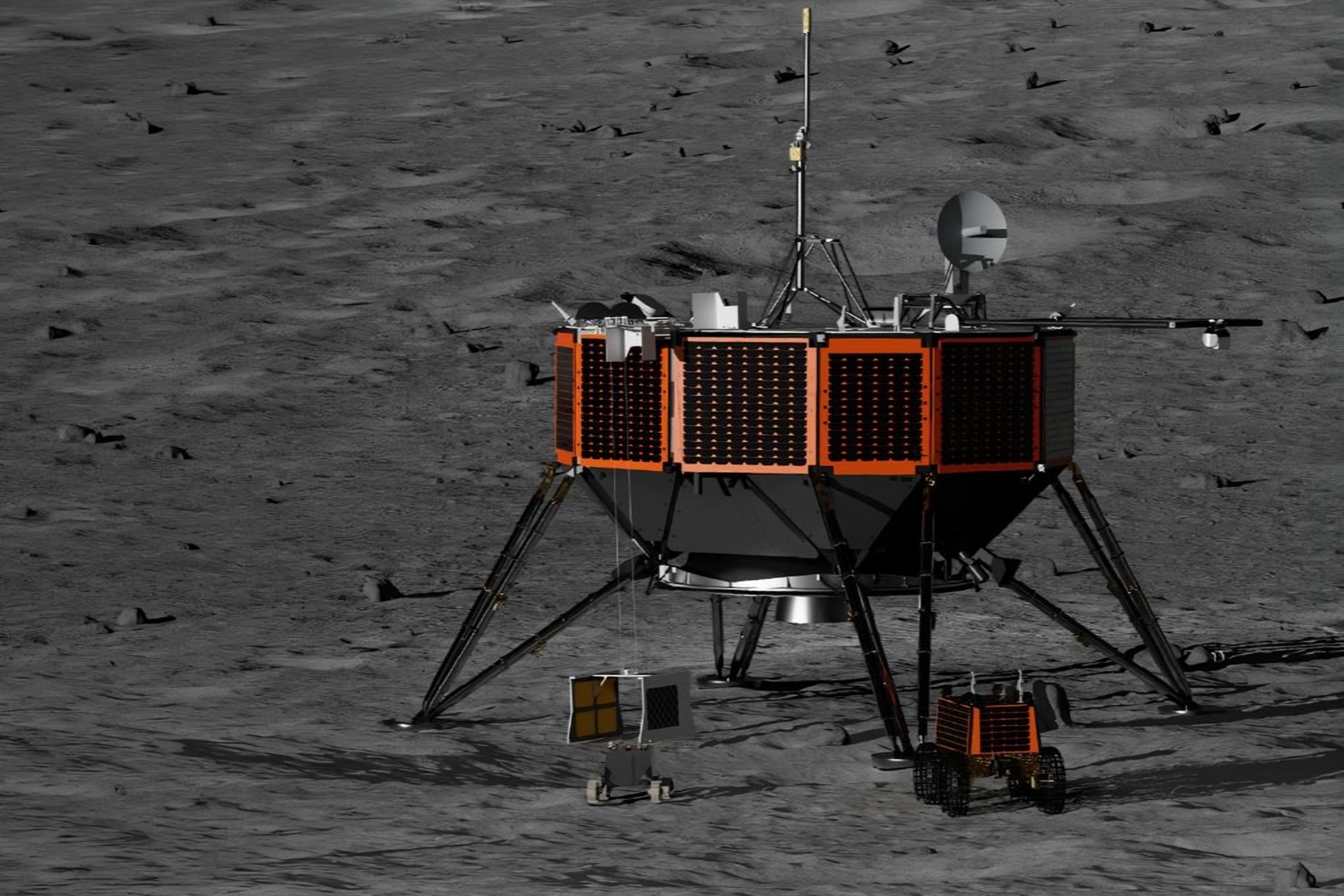
Korea and NASA have joined forces to map radiation levels at the moon's southern pole, addressing a critical concern for future lunar missions. The Korea AeroSpace Administration (KASA) and NASA have signed a deal for Korea's LVRAD, a radiation detector developed by the Korea Astronomy and Space Science Institute, to be carried aboard a commercial American lander.
The lander is scheduled for launch in 2030 as part of NASA's Commercial Lunar Payload Services program. The LVRAD, a small instrument, will measure radiation directly on the lunar surface, providing crucial data to safeguard astronauts and electronic equipment during extended missions.
Written by urgent.news from The Korea Times's reporting — not their text. Machine-written — may contain errors; check the original before relying on it.
Also reported by 1 other outlet
- Korea, NASA partner to map radiation at moon's south pole koreatimes.co.kr