Farthest 'black hole star' ever found could help solve the James Webb Space Telescope's little red dot mystery
A distant black hole star is providing strong evidence that these objects lie at the hearts of the mysterious little red dots found shortly after the Big Bang by the James Webb Space Telescope.
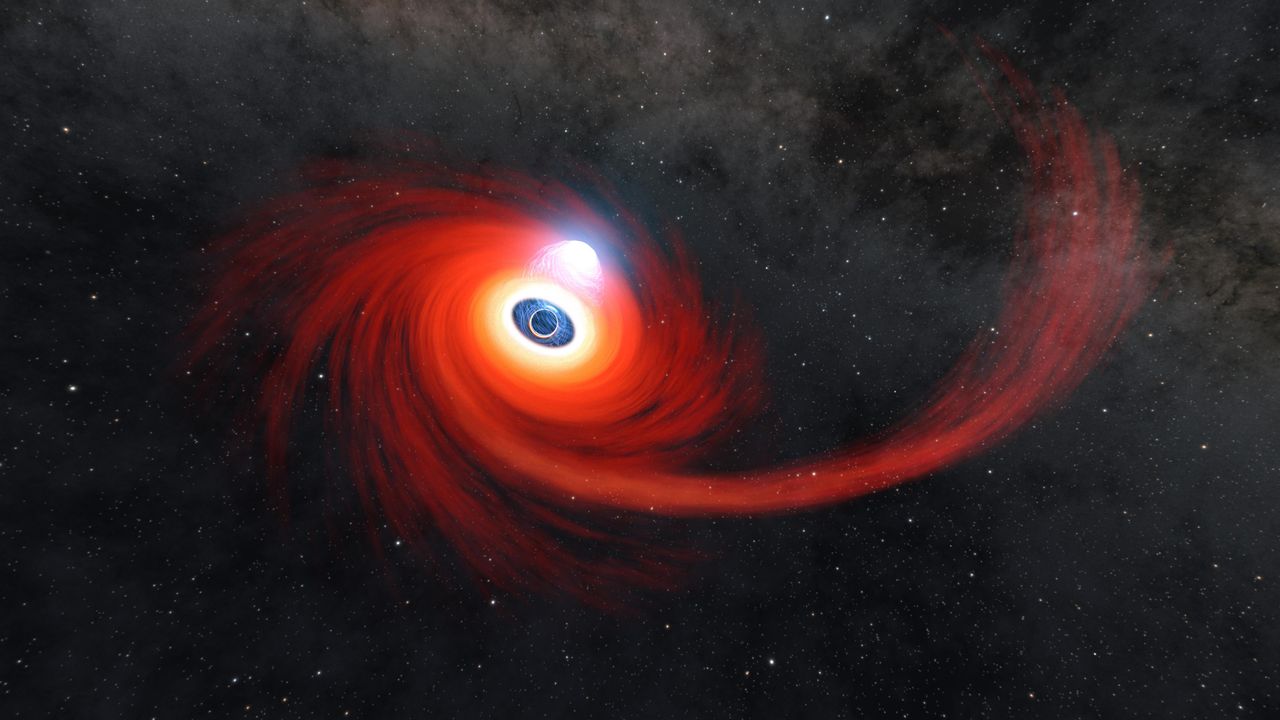
Astronomers have discovered a black hole star — a black hole surrounded by a cloud of gas — that formed less than 660 million years after the Big Bang. This finding, made during the James Webb Space Telescope's Mirage or Miracle (MoM) survey, provides crucial insight into the origin of the mysterious "little red dots" seen in early universe images.
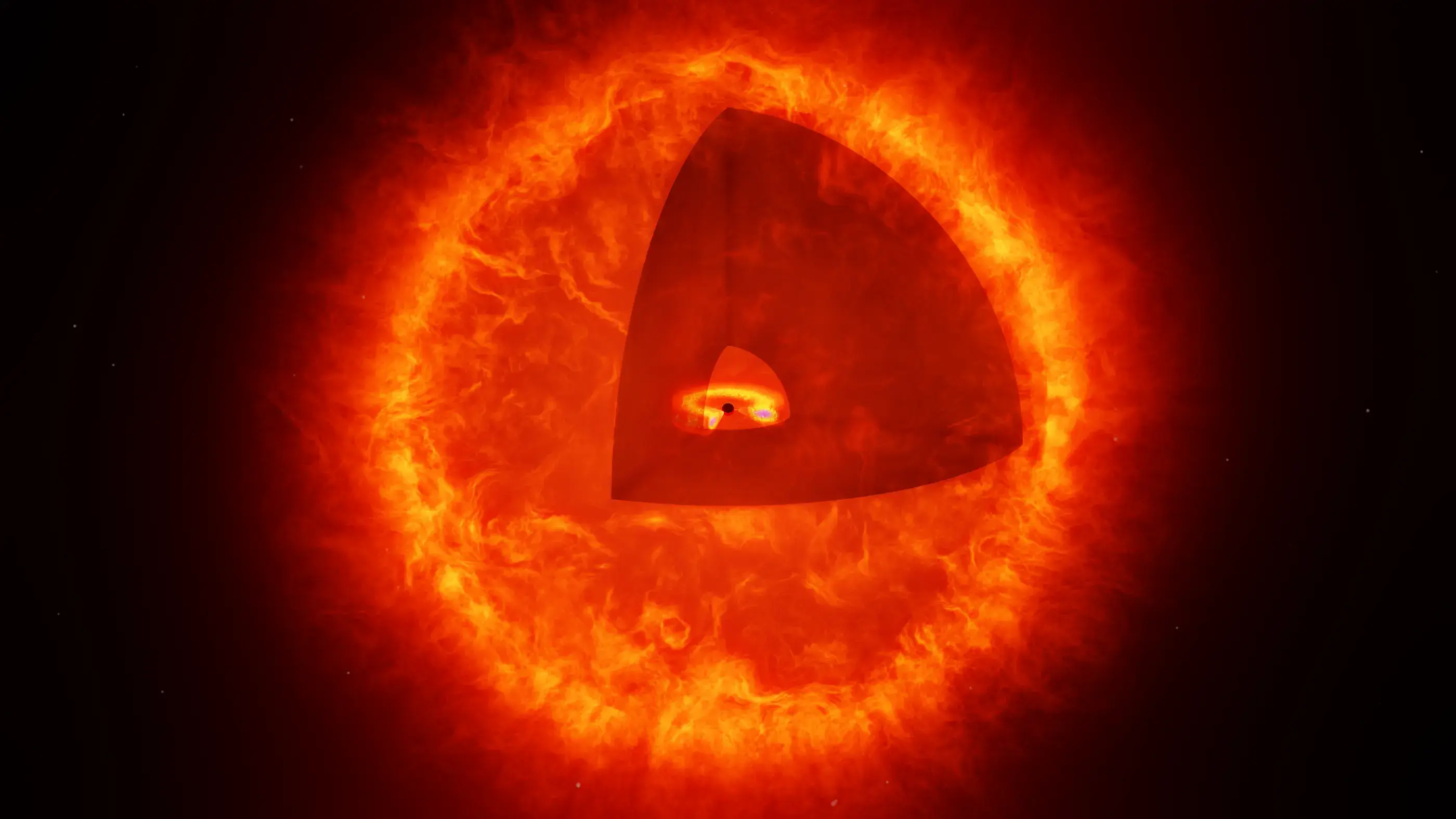
These objects, first discovered in 2022, are believed to be supermassive black holes hidden within massive gas clouds that resemble cool, red stars like red giants. The newly discovered black hole star, named MoM-BH*-1, is a "naked" black hole, meaning it exists independently rather than within a budding galaxy. This allows astronomers to study it solely through its accretion light.
MoM-BH*-1 is closely located to a young galaxy at the same redshift, and it's expected to merge with the galaxy within 100 million years. By modeling the spectrum of the galaxy post-merger, researchers found it would resemble the little red dots already known in galaxies. The discovery suggests black hole stars could be the central engines of baby quasars, helping clarify uncertainties about them.
Written by urgent.news from Space.com's reporting — not their text. Machine-written — may contain errors; check the original before relying on it.
This story
This is one outlet's version. Read the fullest account.