The Atlas Obscura Guide to the 2027 Total Solar Eclipse
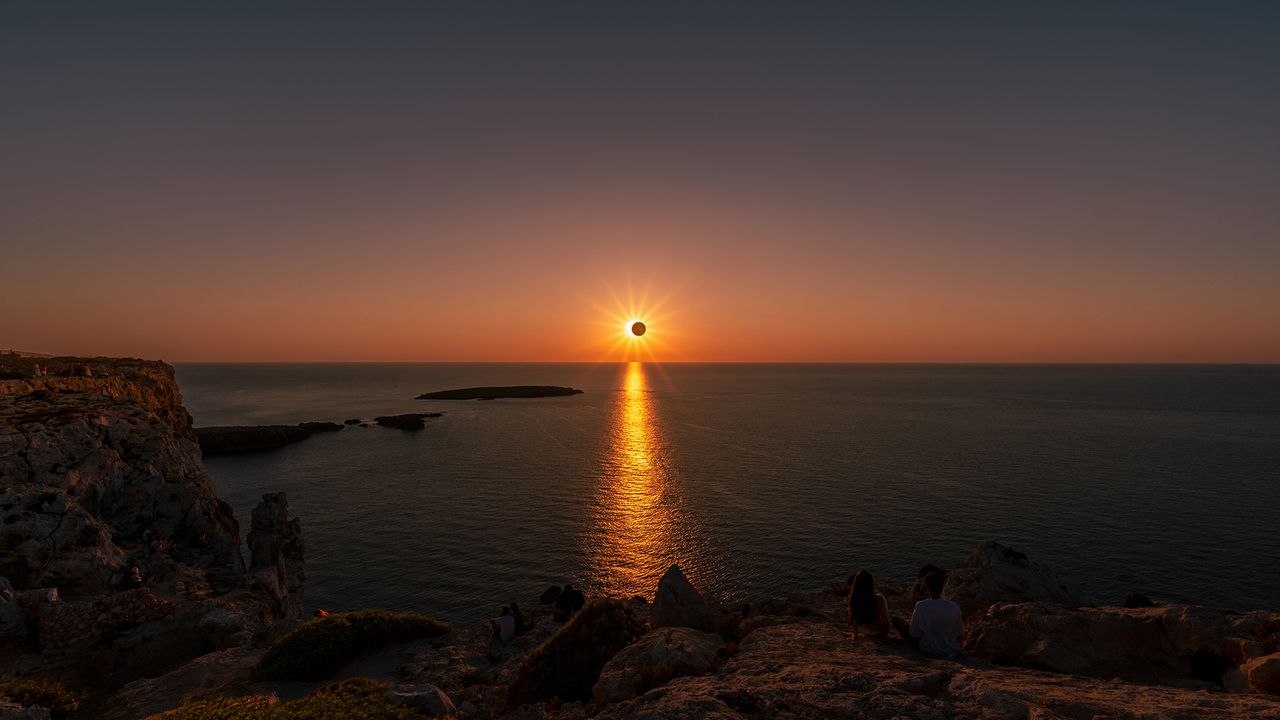
On August 2, 2027, the Moon's shadow will cross southern Spain, North Africa, and the Arabian Peninsula. Near Luxor, in the Nile Valley, totality will last six minutes and twenty-three seconds. That number is the whole story. Most total eclipses give you two or three minutes. The celebrated North American eclipse of 2024 managed four and a half at its very best. Six minutes and twenty-three…
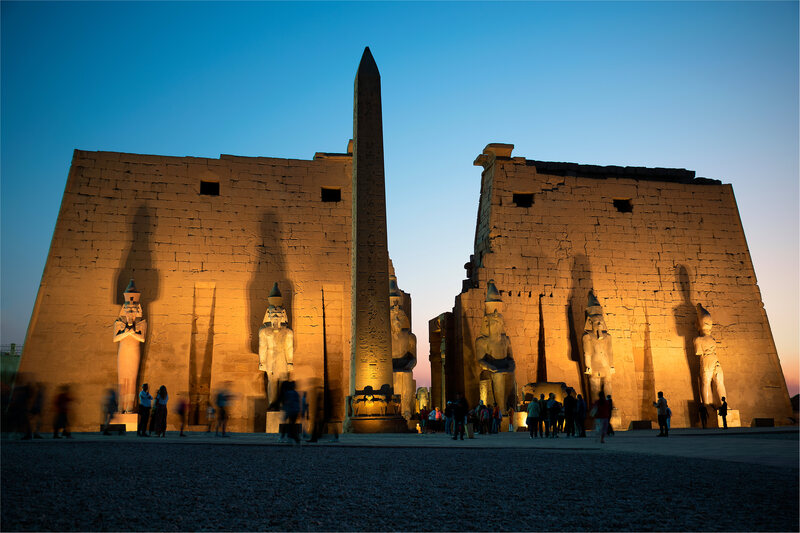
In the year 2027, the Moon's shadow will traverse southern Spain, North Africa, and the Arabian Peninsula. Near Luxor, in Egypt's Nile Valley, observers will experience a total solar eclipse lasting six minutes and twenty-three seconds, the longest such extended period available on land until 2114. This eclipse presents an unprecedented opportunity for astronomy enthusiasts and tourists alike.
Luxor's cloud cover probability during August is nearly zero, offering a high likelihood of clear skies. The path of totality across central Egypt spans approximately 250 kilometers, traversing the greatest concentration of ancient monuments in the world. Hotels along the eclipse path are selling out, indicating high demand for this unique astronomical event.
Luxor is considered the optimal destination due to its central location along the path, providing the maximum duration of totality, as well as the availability of an airport and ample infrastructure for large visitor numbers. At 1:05 PM local time, the sun will be 82 degrees above the horizon, nearly directly overhead, enhancing the viewing experience.
While Cairo is not in the path of totality, it offers a partial eclipse, which is significantly less impressive compared to a total eclipse. Aswan's totality lasts four to five minutes, making Luxor the clear choice for witnessing the full celestial spectacle.
Ancient Egypt's architectural prowess, such as the Temple of Abu Simbel, constructed around 1244 BCE for Pharaoh Rameses the Great, further adds to the significance of Luxor as an eclipse destination. The temple's internal design allows for the sun's light to illuminate specific figures during specific times of the year, creating a mesmerizing experience.
The Colossi of Memnon and the tomb of Nefertari, among other historical sites, contribute to Luxor's rich cultural heritage and make it a compelling destination for a well-rounded trip.
While other countries along the eclipse path have their own attractions, Luxor stands out due to its proximity to the center of the path, the highest duration of totality, and the availability of modern amenities. Travel advisories should be consulted before planning the trip, as some countries have serious travel warnings or are effectively closed to leisure travel.
Flexibility in booking accommodations is advised, as hotels along the Egyptian path have been filling up since 2024. Embracing the opportunity to witness a six-minute total solar eclipse should be balanced with the desire to explore other historical and cultural sites in the region.
Written by urgent.news from Atlas Obscura's reporting — not their text. Machine-written — may contain errors; check the original before relying on it.