'No longer will anything seem impossible or marvellous': How an 'immoral, foul-mouthed and violent man' wrote the first eyewitness account of a total solar eclipse
In this excerpt from the book "Solar Eclipses" by William Sheehan, we learn of how an ancient Greek poet, who wrote a series of scurrilous songs and deserted the field of battle, became a hero among eclipse-watchers today.
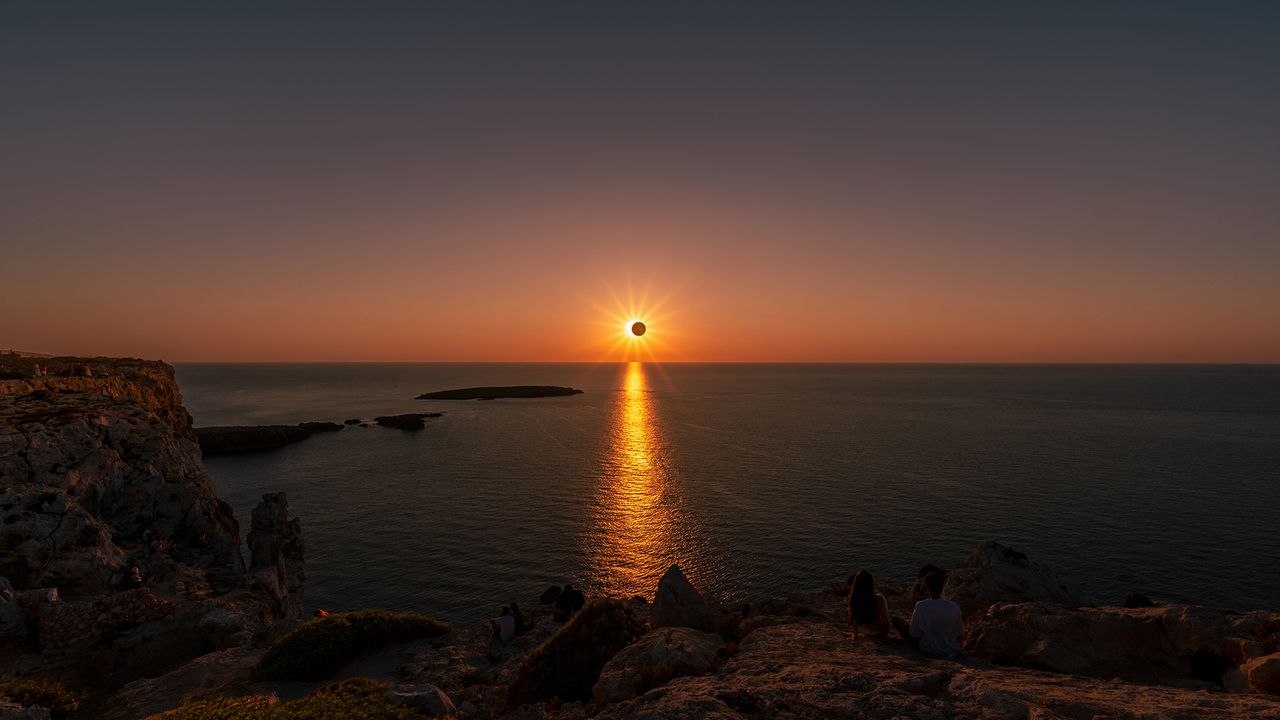
For millennia, the occurrence of a total solar eclipse was a mysterious and awe-inspiring phenomenon, shrouded in mystery for many civilizations. In his book "Solar Eclipses" (Reaktion Books, 2026), historian William Sheehan explores the impact of these celestial events on ancient cultures, starting with the first eyewitness account of a total solar eclipse.
The account is attributed to Archilochus, a Greek soldier and poet from the seventh century B.C.E. who lived on the island of Paros. His poem is considered the earliest known written record of a total solar eclipse.
Written by urgent.news from Live Science's reporting — not their text. Machine-written — may contain errors; check the original before relying on it.