New space object masquerades as a star the size of our solar system
A newly found black hole star, MoM‑BH*‑1, may finally explain James Webb Space Telescope's little red dots in the early universe.
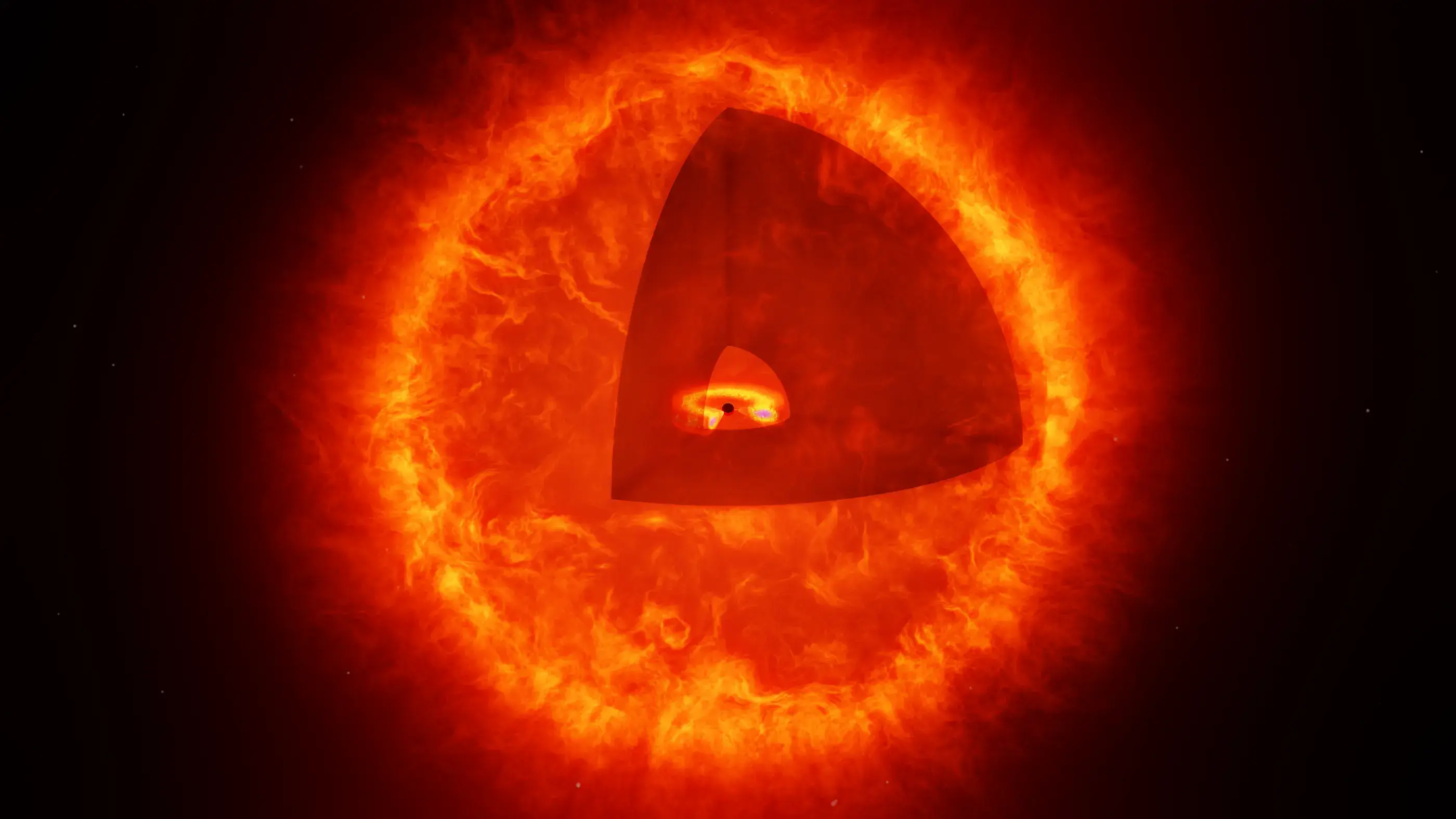
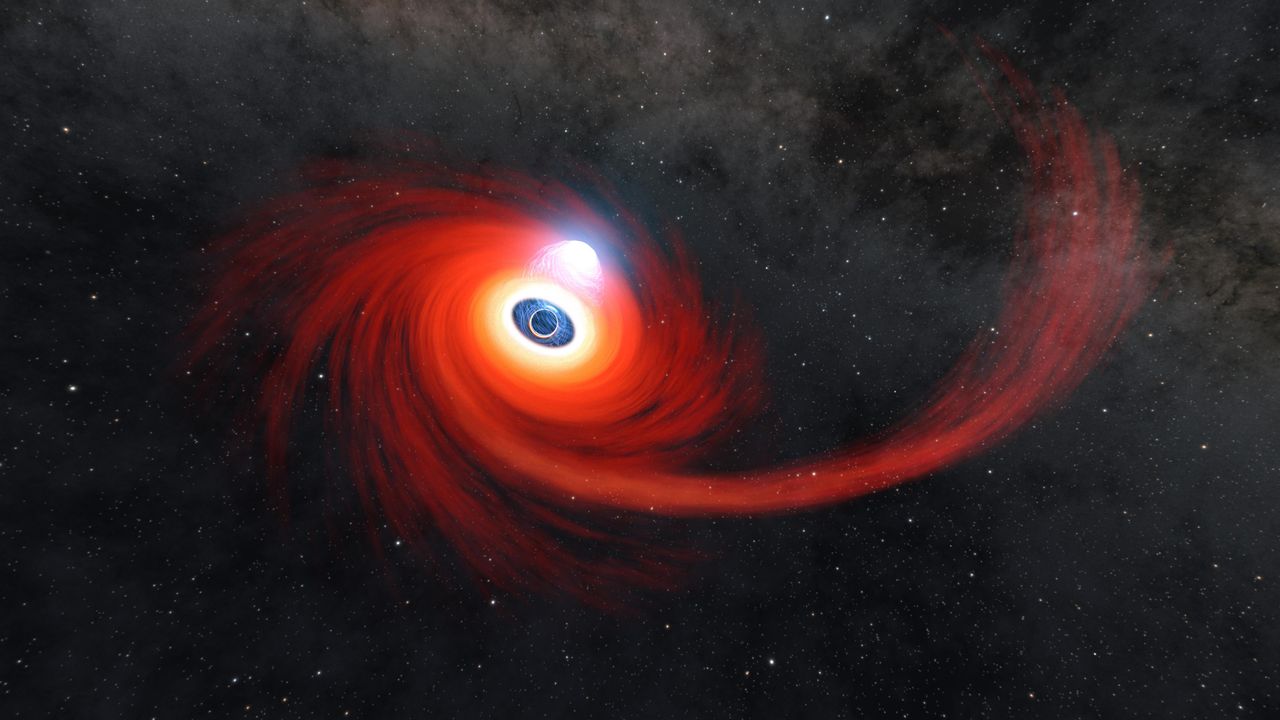
Astronomers have discovered a black hole rapidly gaining mass in the early universe, providing crucial insights into a long-standing cosmic mystery. Utilizing NASA's James Webb Space Telescope, researchers identified that nearly all of the object's light originates from a central black hole encased in a dense shell of hydrogen gas, rather than from stars in an accompanying galaxy.
The object, dubbed MoM-BH*1, is estimated to be approximately 100,000 times more massive than the sun and resides at the center of a colossal gas cloud, making it appear as a star the size of the entire solar system through Webb's lens. Found just 660 million years after the Big Bang, MoM-BH*1 offers the strongest evidence yet of a novel cosmic entity: a black hole star, which could help scientists understand a new class of puzzling objects detected by Webb near the beginning of time.
The discovery challenges conventional wisdom, as the object's brightness and reddish hue indicate a black hole consuming material at an unprecedented rate. By analyzing the spectrum of MoM-BH*1's light, researchers found a significant drop between redder and bluer wavelengths, a feature that cannot be explained by stars or dust. This suggests that the intense radiation observed is primarily produced by the accretion of material onto the black hole, a process that distorts the light and shifts it toward redder wavelengths.
The findings, published in the journal Nature, suggest that MoM-BH*1 could belong to a previously unrecognized population of rapidly growing black holes. This could help resolve a longstanding debate in cosmology, where some researchers suspected early black holes were too massive for the short timescales available since the Big Bang.
By demonstrating that these black holes can grow at extraordinary rates while enveloped in gas, the discovery may offer a more accurate portrayal of the early universe's dynamics and the formation of supermassive black holes.
Written by urgent.news from Mashable's reporting — not their text. Machine-written — may contain errors; check the original before relying on it.