Loss of interneuron plasticity may be shared hallmark of neurodevelopmental conditions
Restoring an experience-dependent interneuron plasticity gene in adulthood improves memory and cuts seizures in CNTNAP2 knockout mice, a new study shows.
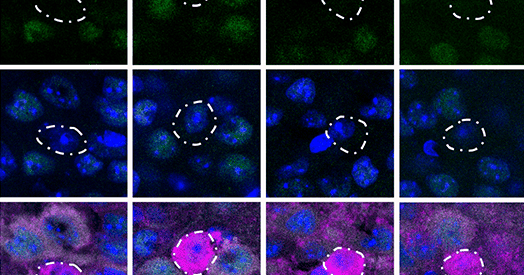
A new study published in Nature reveals that a shared genetic architecture may be the root cause of various neurodevelopmental conditions, such as autism, bipolar disorder, schizophrenia, and epilepsy. This architecture involves a gene that is crucial for experience-dependent interneuron plasticity. In a study of CNTNAP2 knockout mice, researchers discovered that the lack of this gene's expression in adulthood led to memory impairment and decreased seizures.
By restoring the gene's expression in parvalbumin (PV) interneurons within the hippocampal circuit, scientists found that the animals' cognitive abilities and seizure issues were improved. This suggests that the adaptive plasticity of PV cells may be a critical factor in the development of neurodevelopmental disorders. PV interneurons sculpt neural circuits and adjust their synapses, excitability, and output in response to learning and social experiences.
The study demonstrates that a loss of PV interneuron plasticity, rather than just reduced function, may contribute to cognitive impairments in neurodevelopmental conditions. Further research will explore the entire array of genes involved in this process and its potential applications in treating various neurodevelopmental disorders.
Written by urgent.news from The Transmitter's reporting — not their text. Machine-written — may contain errors; check the original before relying on it.