China is working towards 100% renewable power at its Antarctic bases by 2035
Scientists in Antarctica have to deal with extreme cold, wind and months of total darkness while they carry out their research. Inland, the temperature can plummet below minus 80 degrees Celsius (minus 112 degrees Fahrenheit) during winter, while wind speeds of over 100km/h (62mph) – and even over 200km/h – can be experienced for days at a time. While diesel has long been the main energy source…
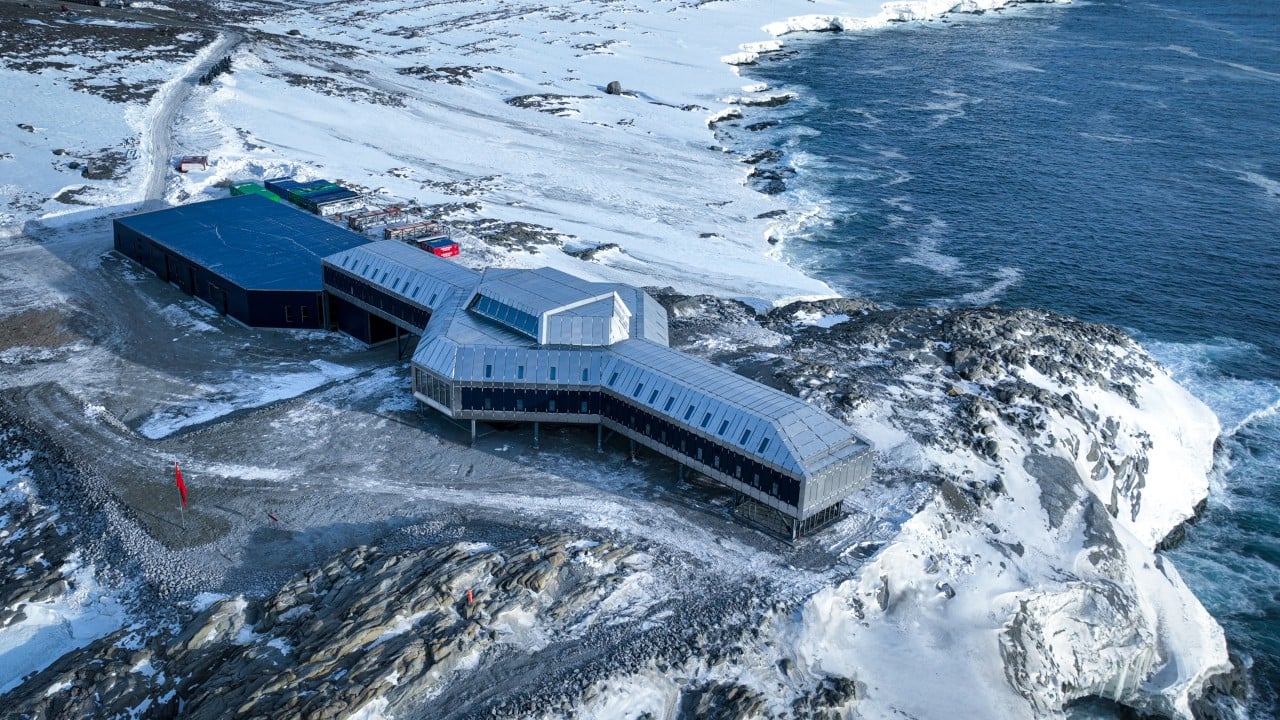
China aims to power all its Antarctic research stations with renewable energy by 2035, according to Sun Hongbin, chief scientist on the country's polar clean energy program. Currently, Qinling Station, China's fifth and newest research base in Antarctica, already meets over 60% of its energy needs through solar, wind, and hydrogen power and energy storage batteries. This shift towards renewables comes after years of relying solely on diesel for power and heating at research stations across the icy continent.
The extreme conditions at Antarctica, including temperatures plummeting below minus 80 degrees Celsius, wind speeds over 100km/h, and 24 hours of daylight in summer or complete darkness in winter, pose significant challenges for the use of clean energy sources. Previous attempts at using wind turbines and photovoltaic panels have failed within months due to the intense cold, wind, snow, geomagnetic activity, low pressure, and low oxygen levels.
To tackle these challenges, China has launched a clean energy experimental base for Qinling Station during a conference in Taiyuan, Shanxi province. This facility, part of an upgrade of a laboratory simulating extreme polar and sub-polar environments, was the result of an exchange between Sun, who is also president of Taiyuan University of Technology, and Antarctic scientists in 2021.
The new system at Qinling combines multiple renewable sources, including solar panels, wind turbines, hydrogen, and energy storage equipment. When there is ample sunlight and wind, direct use of generated electricity is possible. During the polar day, surplus electricity is used to desalinate seawater and produce hydrogen, which is stored for later use in fuel cells.
However, logistical challenges persist due to the need for everything to be shipped in by ship or aircraft, and the freezing of wind turbines' lubricating oil in ultra-low temperatures.
To improve technology suited for Antarctic conditions, Sun has simulated various extreme weather conditions and magnetic fields in laboratories in Taiyuan and Inner Mongolia. These labs receive data from China's research stations in Antarctica for analysis. A new teardrop-shaped wind turbine developed by the team, designed to handle low temperatures and strong winds, was installed at Qinling Station in March 2023.
This turbine, part of an integrated energy management system, can generate over 230 kilowatts of power, providing up to 2.5 hours of daily power supply at maximum load of 150kW. Scientists also discussed plans to develop polar-specific materials and equipment for use in the extreme Antarctic environment during the conference in Taiyuan.
Written by urgent.news from South China Morning Post's reporting — not their text. Machine-written — may contain errors; check the original before relying on it.
This story
This is one outlet's version. Read the fullest account.