EU explores satellite system to automatically slow speeding cars
The EU Commission is currently researching a new satellite system which could automatically slow speeding cars, but there are safety and privacy concerns.
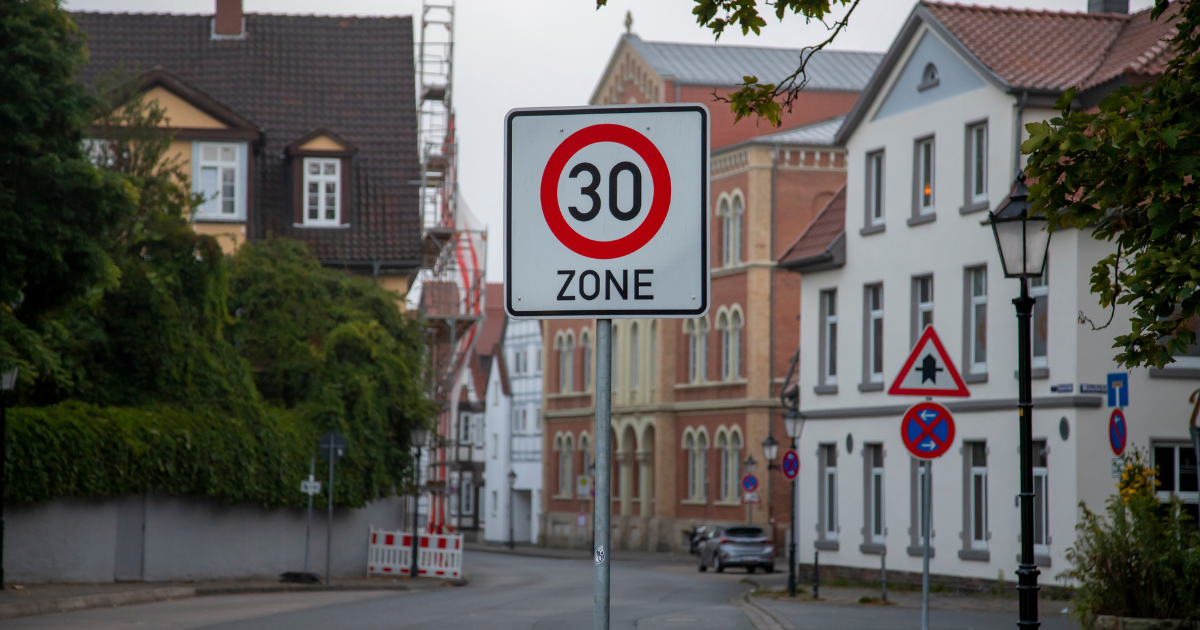
The European Commission is currently exploring a satellite navigation system aimed at automatically slowing speeding cars, according to Dutch outlet AD. The system would utilize satellite navigation, digital maps, 5G signals and cameras capable of recognizing traffic signs to determine the maximum permissible speed for a given road. Car software would then limit engine power, preventing drivers from exceeding the speed limit. However, drivers could still temporarily surpass the limit in emergency situations.
This system would serve a similar purpose to the Intelligent Speed Assistance (ISA) system that has been mandatory for all new cars sold in the EU since July 2024. While ISA alerts drivers through messages, vibrations or noises when they exceed the speed limit, the proposed system would actively reduce the car's speed, thereby preventing drivers from ignoring warnings.
Road safety organizations view such a system as a promising measure to curb speeding and mitigate serious traffic accidents. Nevertheless, concerns have been raised regarding the technology's reliability, as it may sometimes fail to accurately identify the maximum speed limit, miss traffic signs, or utilize outdated digital maps. Inaccurate GPS locations also pose potential issues.
Critics further caution that unexpected braking could create hazardous conditions in traffic. Moreover, there are concerns about cybersecurity and drivers' data privacy, as systems capable of vehicle control require robust security measures against malfunctions and digital attacks. The EU may also forfeit potential revenue from speeding fines.
The European Commission has stressed that the plans are still in the exploratory phase, with ongoing discussions with car manufacturers and road safety organizations to decide if additional safety measures are required. Should the plan be approved, a tentative start date of 2030 has been suggested, though its approval remains uncertain.
Written by urgent.news from IamExpat Germany (All Germany News)'s reporting — not their text. Machine-written — may contain errors; check the original before relying on it.