EU explores satellite system to automatically slow speeding cars
The EU Commission is currently researching a new satellite system which could automatically slow speeding cars, but there are safety and privacy concerns.
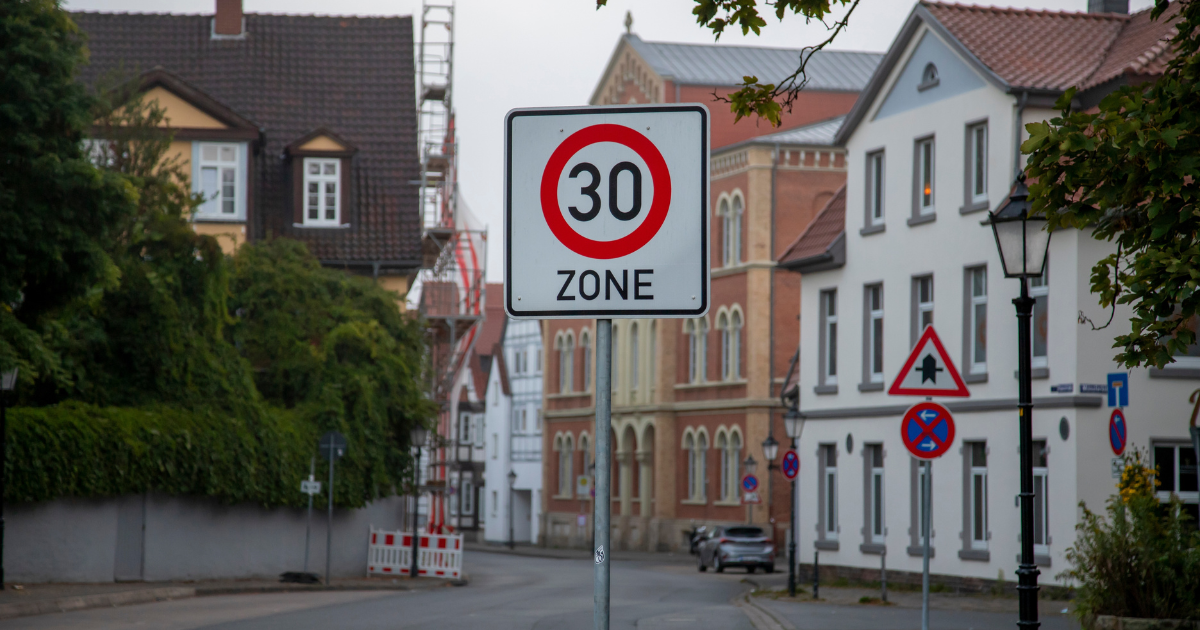
The European Commission is considering a satellite navigation system that could automatically reduce a car's speed if it exceeds the limit. The system, likely to be introduced around 2030, would utilize satellite navigation, digital maps, 5G signals, and cameras to recognize speed limits and traffic signs. Car software would then adjust engine power to prevent drivers from surpassing the limit.
Emergency situations would allow for temporary speed increases. This system builds upon the Intelligent Speed Assistance (ISA) feature mandatory in new EU cars since 2024, which alerts drivers when they exceed the speed limit. While road safety advocates support a system that actively addresses speeding and associated accidents, there are concerns about the technology's accuracy, outdated digital maps, and potential GPS errors.
Critics also warn about the system's reliability, the risk of causing hazardous situations during unexpected slowdowns, and cybersecurity threats, as well as privacy concerns related to drivers' data. The EU might also lose substantial revenue from speeding fines. Currently, the plans remain in an exploratory phase, with the exact timeline still uncertain.
Written by urgent.news from IamExpat Germany (News)'s reporting — not their text. Machine-written — may contain errors; check the original before relying on it.
This story
This is one outlet's version. Read the fullest account.