Pacific trend raised US Southwest wildfire area 22%, cut Australia’s 19%
A Pacific Ocean warming trend has impacted wildfire conditions globally. This pattern amplified fire risks in the southwestern United States significantly. Conversely, it eased fire conditions in eastern Australia during the study. Researchers analyzed decades of wildfire and climate data for these findings. Understanding these ocean-climate links can improve future wildfire forecasts.
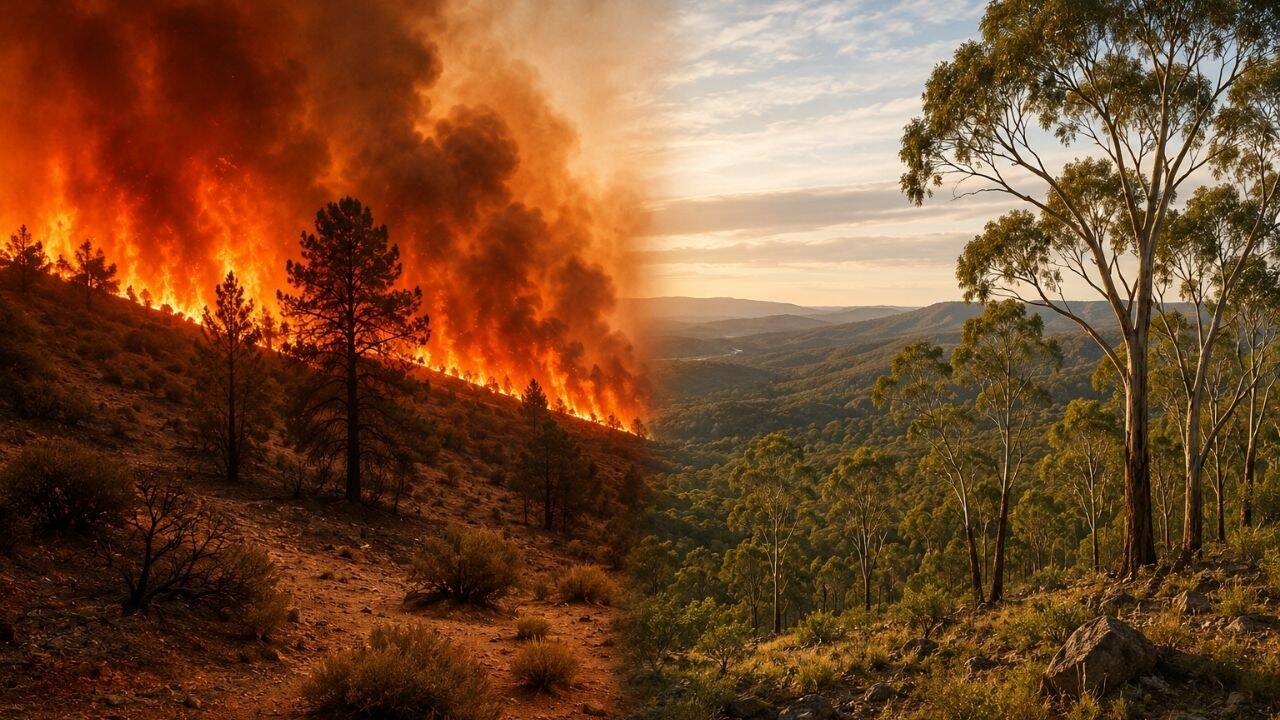
A new study published in the journal Nature Communications reveals how a long-term shift in the tropical Pacific Ocean has influenced wildfire activity in two contrasting regions of the world. The Pacific Ocean pattern has increased wildfire-prone conditions in the southwestern United States by approximately 22%, while it has reduced the risk of wildfires in eastern Australia by around 19%.
The study, which analyzed nearly four decades of wildfire and climate data from 1984 to 2022, utilized satellite observations of burned forest area, climate records, and climate model simulations. The primary factor driving the increase in wildfire activity in the U.S. Southwest is a persistent warming pattern in the tropical Pacific, which enhances atmospheric dryness and makes vegetation more susceptible to burning.
In contrast, the same Pacific Ocean trend partially offsets the drying caused by climate change in eastern Australia, leading to a decrease in burned forest area. While the Pacific Ocean pattern does not eliminate wildfire risk in either region, it plays a significant role in shaping the conditions that influence wildfire activity.
Brief written by urgent.news from Times of India's own syndicated text. Machine-written — may contain errors; check the original before relying on it.