China is working towards 100% renewable power at its Antarctic bases by 2035
Scientists in Antarctica have to deal with extreme cold, wind and months of total darkness while they carry out their research. Inland, the temperature can plummet below minus 80 degrees Celsius (minus 112 degrees Fahrenheit) during winter, while wind speeds of over 100km/h (62mph) – and even over 200km/h – can be experienced for days at a time. While diesel has long been the main energy source…
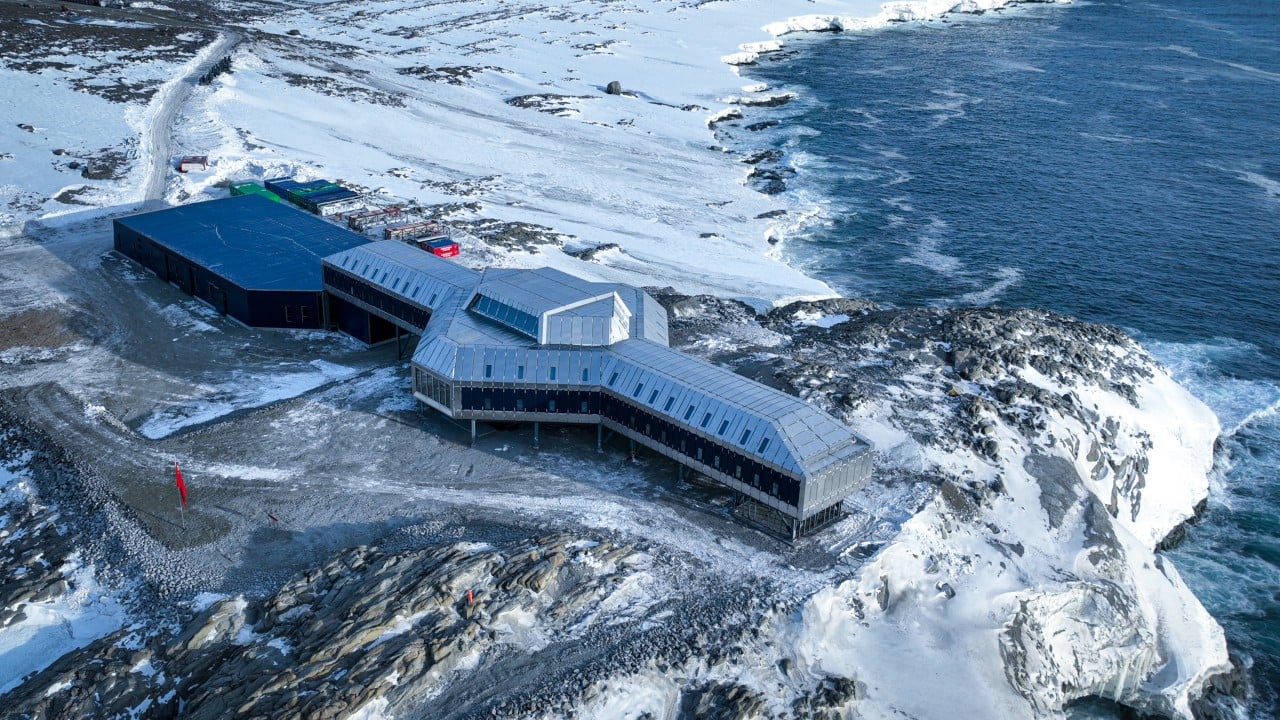
China is aiming to power all its Antarctic research stations with renewable energy by the year 2035, according to a report published in June by China Natural Resources News. Scientists in the icy continent face harsh conditions, including temperatures that can drop below minus 80 degrees Celsius and winds exceeding 100km/h. Traditionally, diesel has been the primary energy source for these research stations.
However, China's fifth research base in Antarctica, Qinling Station, is already utilizing clean energy for more than 60 percent of its needs through solar, wind, hydrogen, and energy storage. Sun Hongbin, the chief scientist on China's polar clean energy programme, unveiled a clean energy experimental base for Qinling Station during a conference in Taiyuan, Shanxi province.
A laboratory in Taiyuan simulating extreme polar and sub-polar environments, developed through a 2021 exchange between Sun and Antarctic scientists, plays a crucial role in testing new technologies. These conditions pose significant challenges for renewable energy sources, as solar panels and wind turbines often fail within six months due to factors like cold, wind, snow, geomagnetic activity, and low pressure.
Qinling Station's energy system combines solar panels, wind turbines, hydrogen, and energy storage equipment to provide a robust solution. When conditions allow, surplus electricity is used to desalinate seawater and generate hydrogen, which is then stored for later use. Despite logistical challenges, such as the need for regular shipments of spare parts, the system has demonstrated its capabilities.
A new wind turbine, designed to withstand low temperatures and strong winds, was installed at Qinling Station in March 2023. Scientists are also working on other innovative projects, such as developing materials and motors that can withstand the extreme Antarctic environment, which will undergo rigorous testing before being deployed at the research stations.
Written by urgent.news from Reuters Business via SCMP's reporting — not their text. Machine-written — may contain errors; check the original before relying on it.