China’s clean tech exports to cut global emissions by Brazil-sized amount in 2026
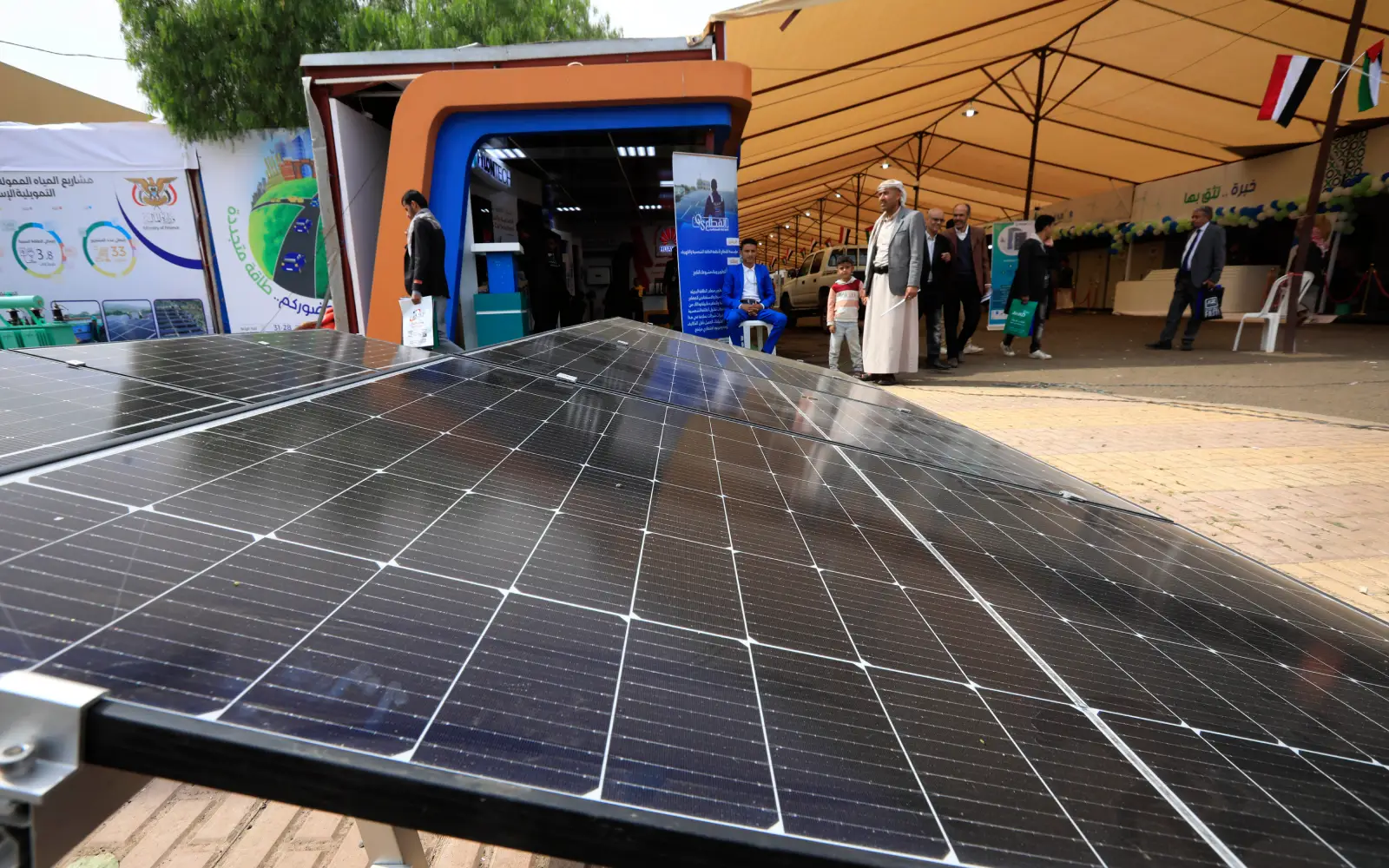
China's exports of solar panels, wind turbines, electric vehicles and batteries will help the world to avoid 450 million tonnes of carbon dioxide emissions.
What's breaking now, across hundreds of outlets.
Thursday, 29 October 2026
12 stories · 10 sources
No grouped briefing was written for this day. These are its stories, most widely covered first.
China's exports of solar panels, wind turbines, electric vehicles and batteries will help the world to avoid 450 million tonnes of carbon dioxide emissions.
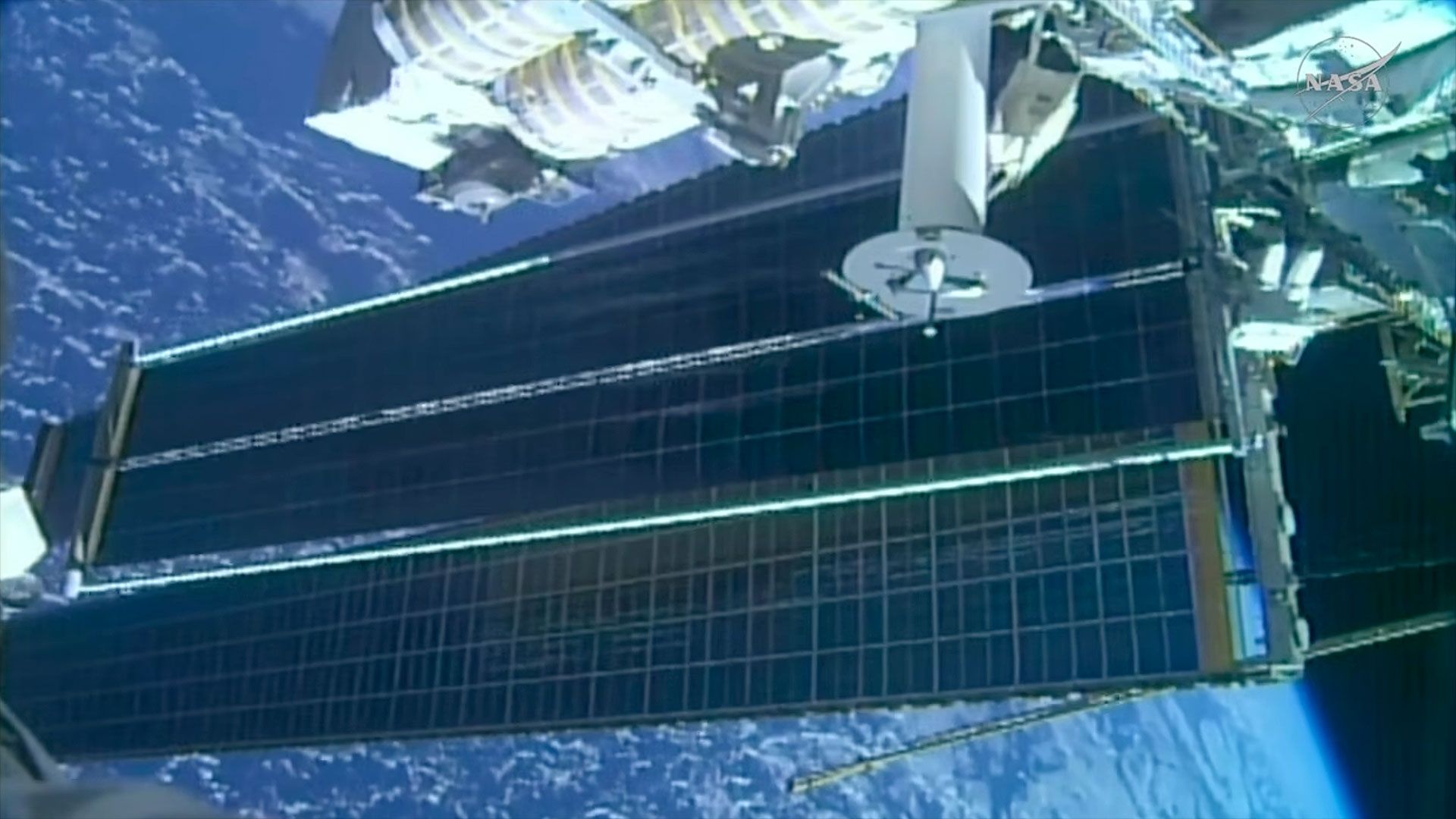
NASA astronaut Anil Menon and Joshua Kutryk of the Canadian Space Agency deployed a new solar array on Thursday (Oct. 29) during a seven-hour spacewalk outside the International Space Station.
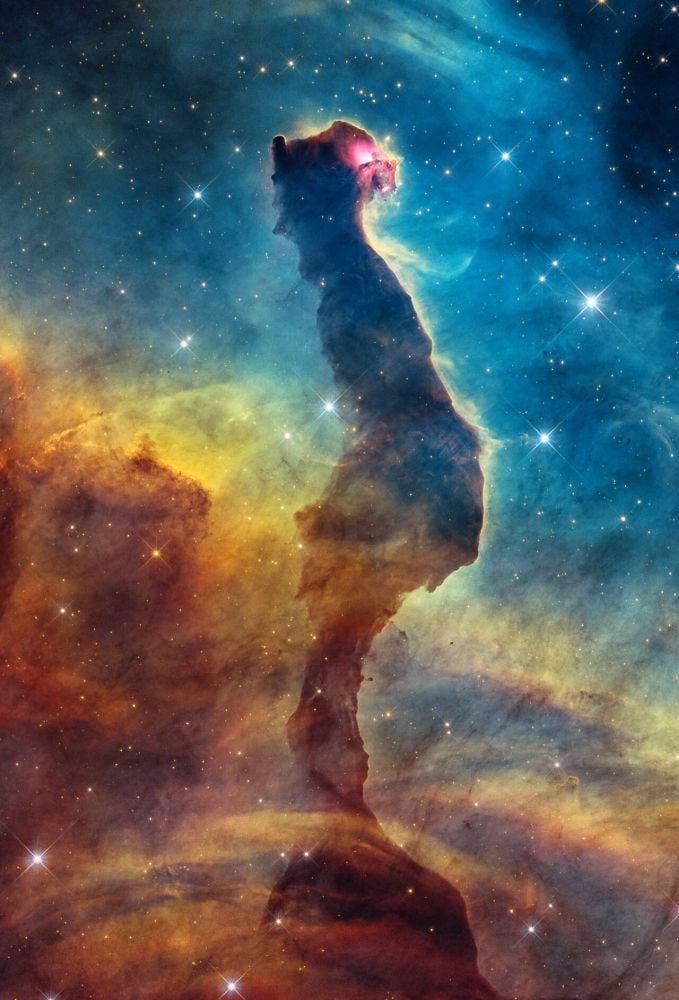
Star formation is a complicated process. It involves metallicity, gas temperature and density, dust grains, and stellar feedback from existing stars. Sometimes, studying all these factors and how they work means studying some of Nature's most beautiful structures, like the Cat's Head nebula in the Carina Nebula.
The astronauts of NASA's Artemis III mission met with President Trump at the White House on Wednesday (Oct. 28), just as the Artemis II spaceflyers did six months ago.
Researchers hope to use these sensors to help people with amputation achieve more natural movements with their prosthetic limbs.
NASA’s Voyager team is celebrating two recent developments with the Voyager 1 spacecraft: In September, they successfully completed a months-long effort to stretch the spacecraft’s diminishing power supply. Then, on Oct.
NASA’s TRACERS (Tandem Reconnection and Cusp Electrodynamics Reconnaissance Satellites) mission has gathered its first clues to how space weather affects Earth’s magnetic field. In a new paper, researchers break down how these interactions work after analyzing initial observations from the first year of the mission.
The Sierra Club, one of the oldest environmental preservation organizations in the U.S., has now put forth an estimate that by 2030, U.S. data center buildouts will be outputting as much carbon dioxide as the entirety of Mexico.
Farming, dams and agricultural runoff are the biggest threats to freshwater biodiversity globally, with Europe and Northwest Africa the hardest-hit regions, McGill researchers have found.
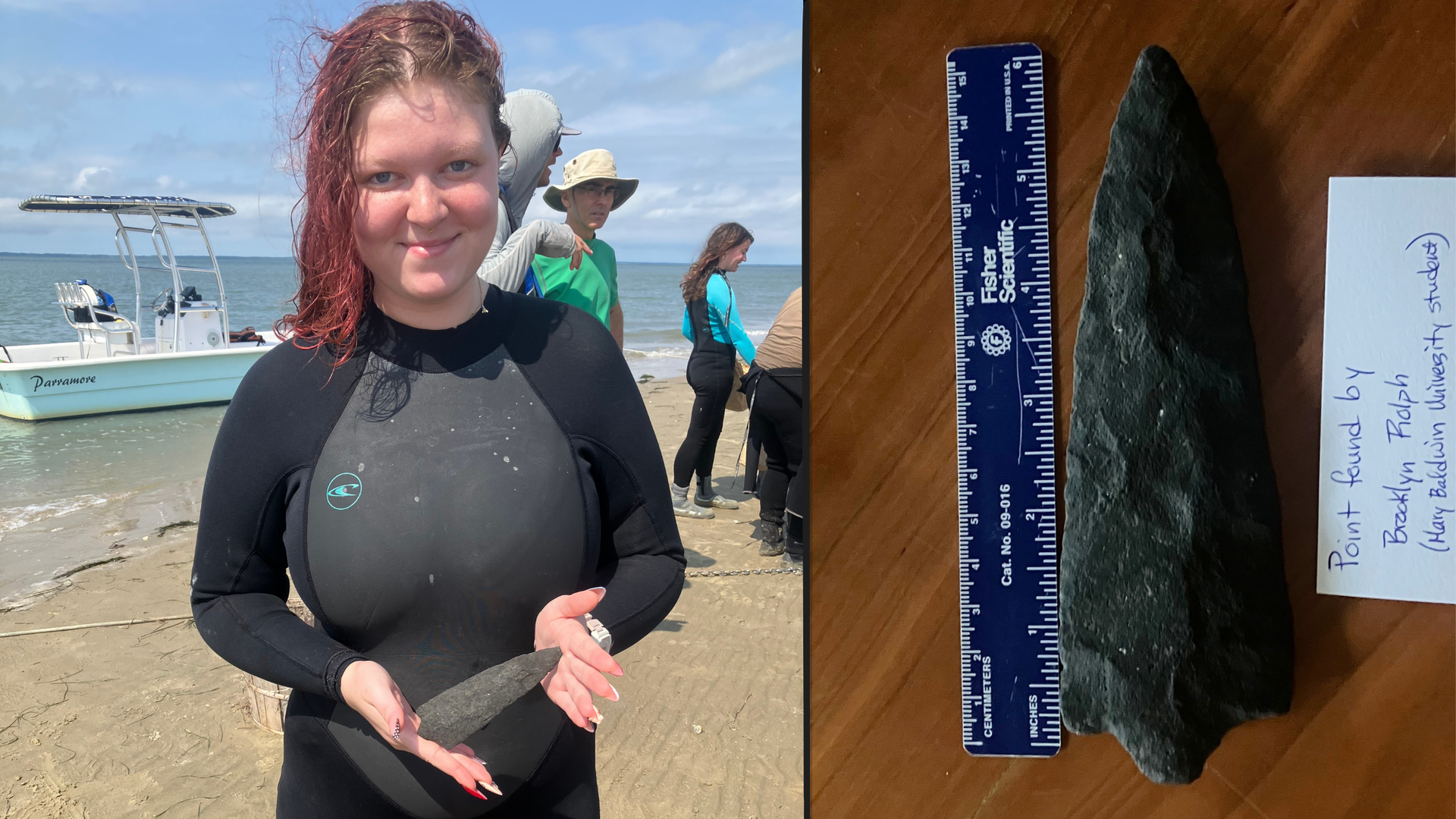
A biology student found a Native American stone spearpoint when searching for shark teeth along the coast of Virginia.
The U.S. House of Representatives passed a bill this past summer that would make daylight saving time (DST) permanent in the United States—meaning there would be no turning back the clocks each fall. Nineteen states, including Washington, have already preapproved this change.
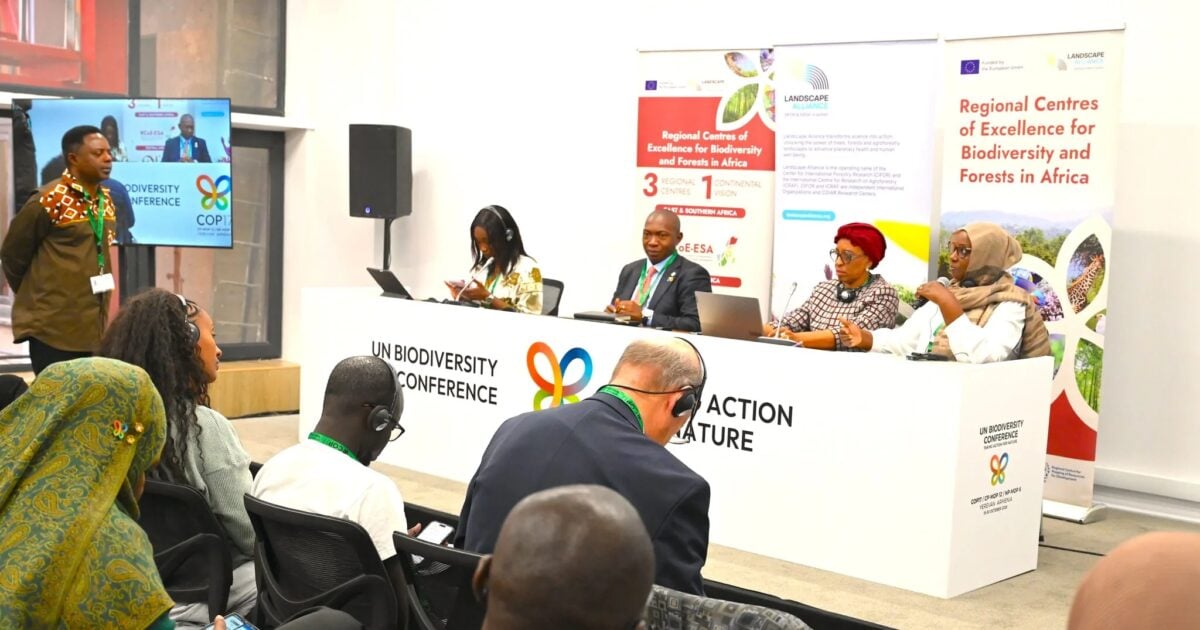
NAIROBI,Kenya, Oct 29 — African countries need stronger biodiversity data systems, technical expertise and sustainable financing to translate global conservation commitments into measurable action, regional institutions have warned. The warning…