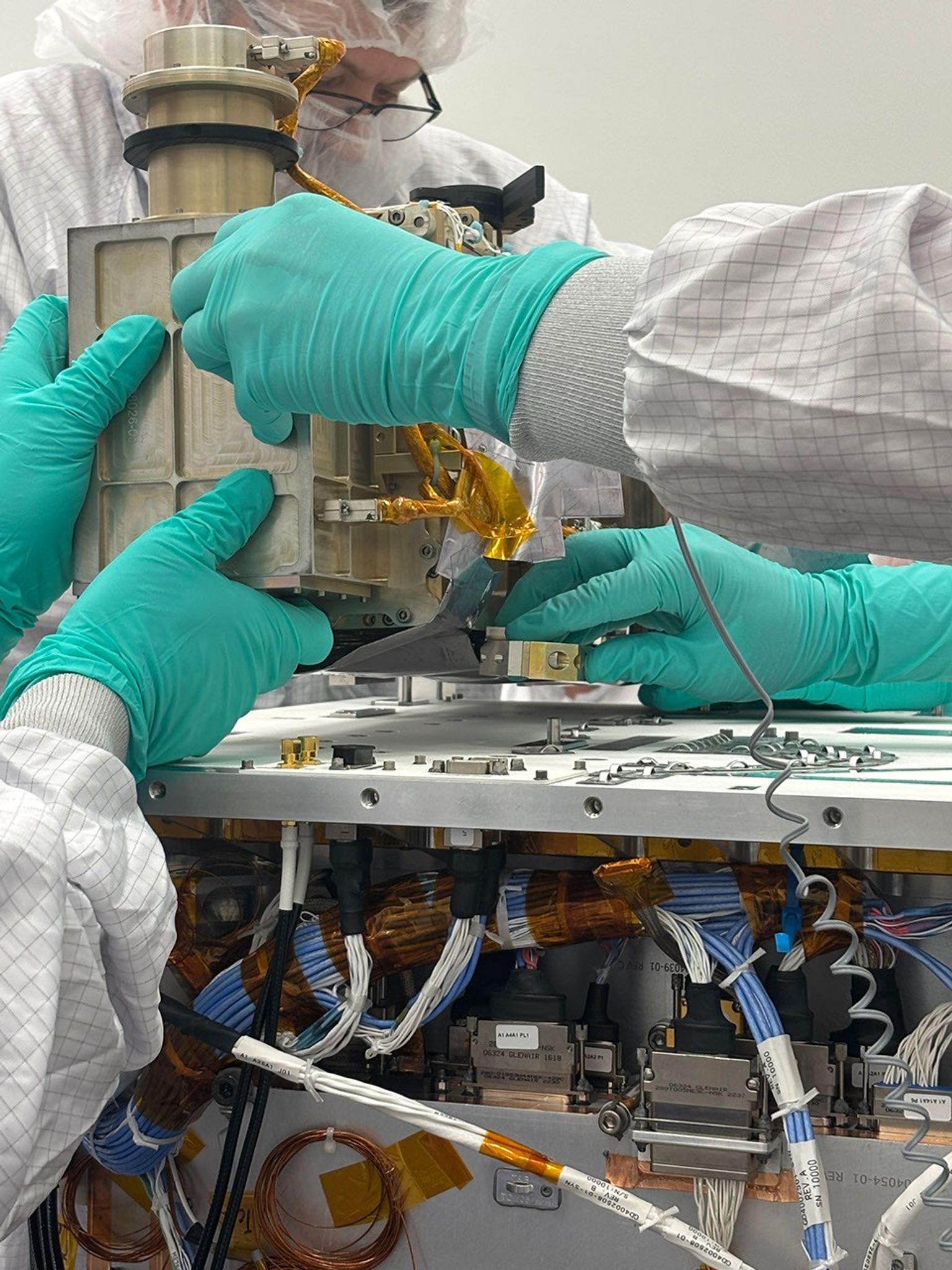
NASA’s TRACERS First Results Offers Peek into Violent Magnetic Process
NASA’s TRACERS (Tandem Reconnection and Cusp Electrodynamics Reconnaissance Satellites) mission has gathered its first clues to how space weather affects Earth’s magnetic field. In a new paper, researchers break down how these interactions work after analyzing initial observations from the first year of the mission. The two TRACERS spacecraft launched last year to explore how […] The post NASA’s…
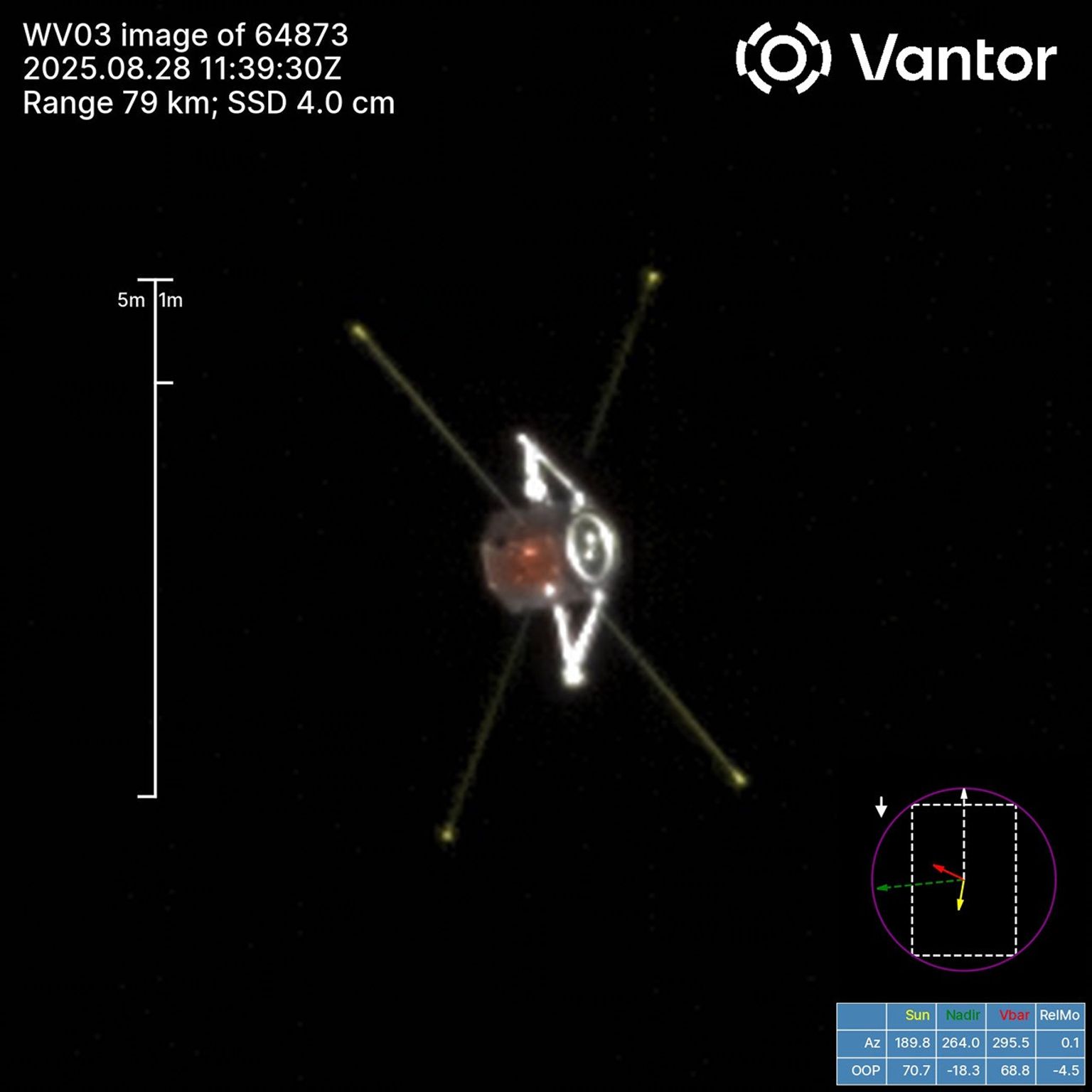
NASA's TRACERS mission, which launched twin spacecraft last year, has provided initial insights into the violent magnetic process known as magnetic reconnection and its impact on Earth's magnetic field. Magnetic reconnection occurs when the Sun's magnetic field collides with Earth's magnetic shield, known as the magnetosphere, causing energy to build up and particles to be flung away at high speeds into our atmosphere.
The TRACERS mission aims to understand the dynamics of this process by analyzing data collected from the first year of the mission. The spacecraft, orbiting Earth in a Sun-synchronous pattern, pass through areas where Earth's magnetic field converges, known as polar cusps. Here, solar wind particles are funneled, allowing for detailed measurements of reconnection events.
Researchers are particularly interested in whether the location of reconnection events influences the magnetopause reaction more than the rate of reconnection. TRACERS Principal Investigator David Miles emphasized the significance of these findings, stating that the team has shown exceptional collaboration and determination in gathering and analyzing the data.
With plans for a mission extension, TRACERS will continue studying reconnection events into 2027, contributing to a better understanding of space weather and its potential effects on power grids, communication systems, and astronauts.
Written by urgent.news from NASA Science's reporting — not their text. Machine-written — may contain errors; check the original before relying on it.