Data centre dissent: why American voters aren’t buying Trump’s China AI pitch
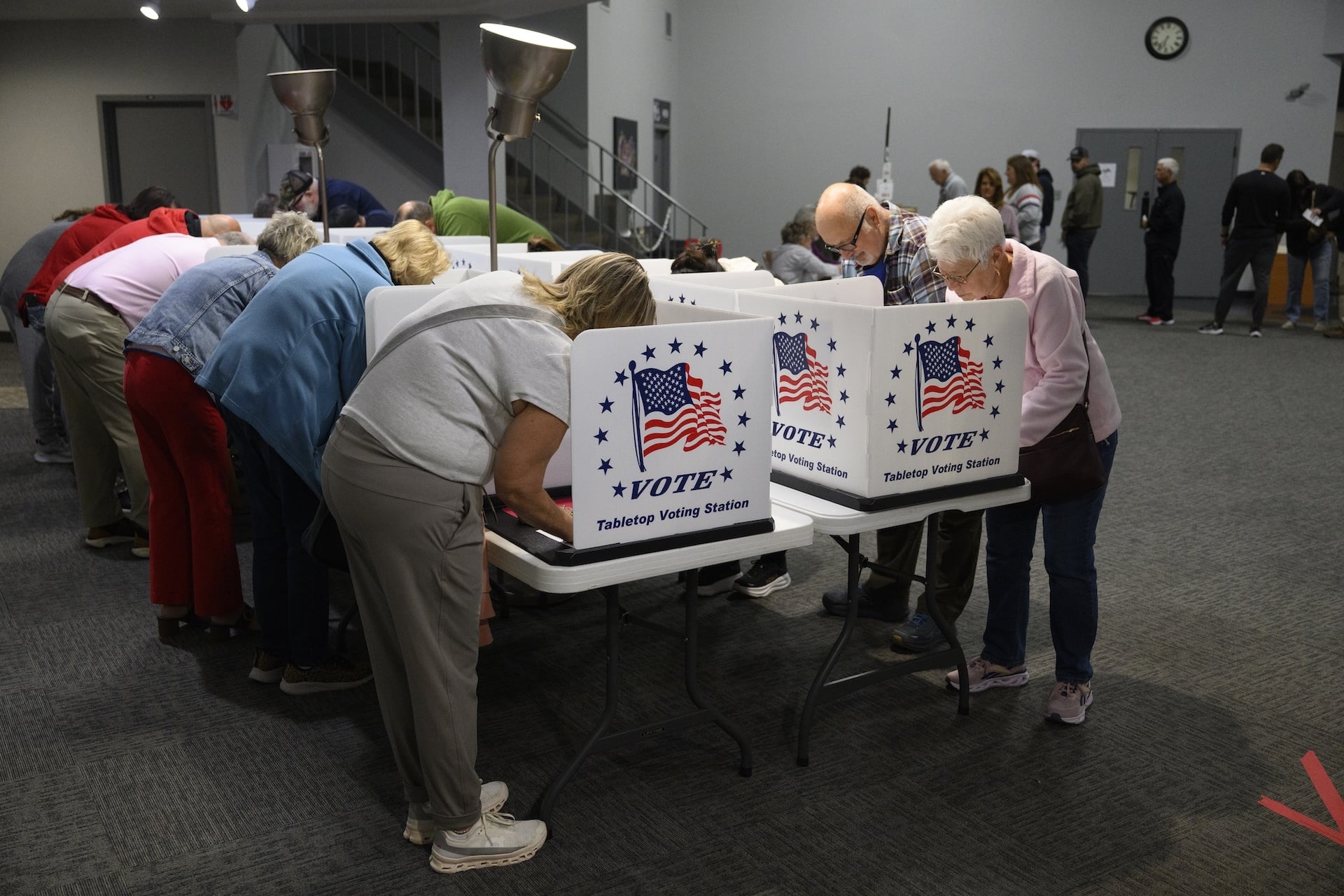
Strong voter backlash in the US midterm elections against AI infrastructure projects, including data centres, indicates that framing the domestic buildout as key to competing with China failed to convince Americans and underscores the need to address local concerns, according to analysts. “The argument that we need to build more data centres to win in AI against China no longer seems to have the…
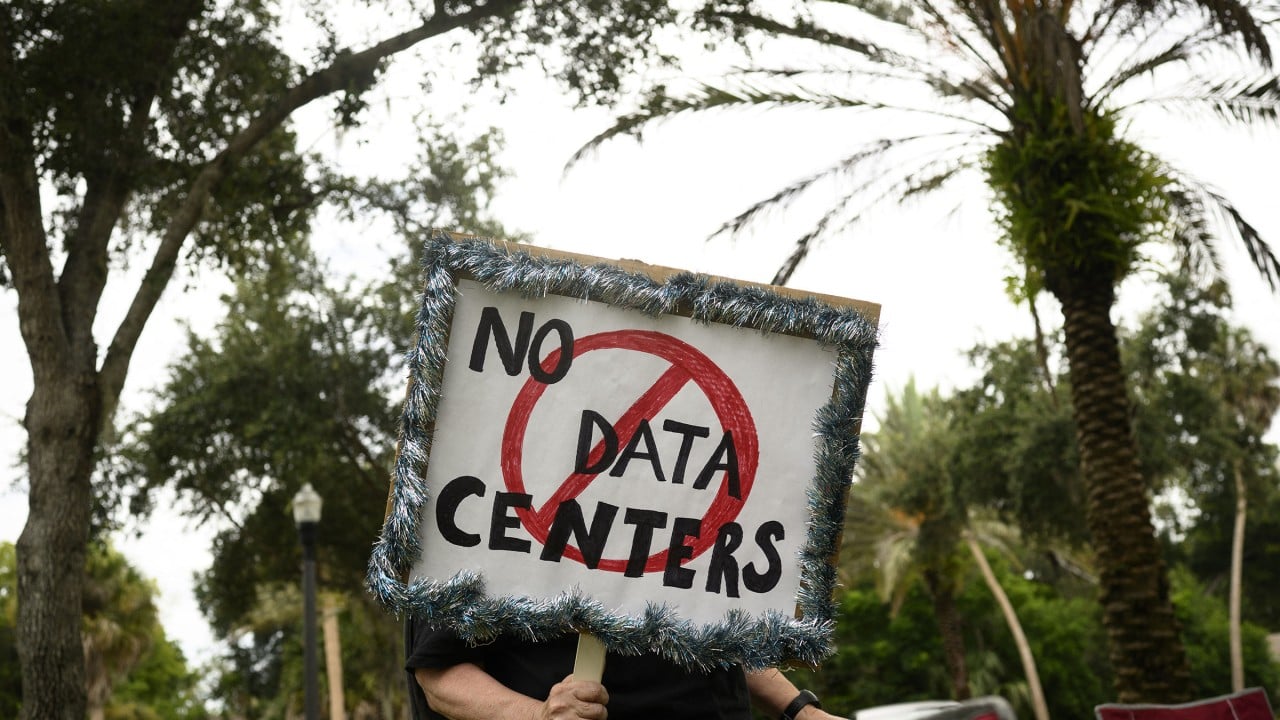
The US midterm elections saw a strong voter backlash against AI infrastructure projects, particularly data centers, indicating that emphasizing the domestic buildout as crucial for competing with China did not resonate with Americans. Analysts pointed out that the argument for building more data centers to outcompete China lost its appeal, if it ever held any.
Both the Trump administration and the Republican Party used China as a justification for their push for AI infrastructure across the country, but voters prioritized local concerns over Washington's technological competition with Beijing. These concerns included rising power bills, water usage, and quality of life issues. Democrats, who gained control of the House and Senate, promised to introduce new regulations and explore a different approach to AI development.
However, achieving consensus on this issue proved difficult due to President Donald Trump's contrasting priorities and the absence of bipartisan agreement. Democratic victories in Texas, Ohio, and other states, as well as townships banning or restricting new data centers, underscored that competition with China on AI did not influence the electorate.
Trump's administration had framed AI infrastructure expansion as essential to maintaining US leadership and preserving technological superiority, while downplaying local concerns and warnings about safety risks associated with frontier models. Experts remain skeptical that fears about the US-China AI race would outweigh local concerns over data center developments, such as electricity prices and water supplies.
The impact of data centers on local communities, such as gas turbines, diesel fumes, and industrial noise, was a significant factor in the midterms. Residents living near data centers, like Lindsay Shaw and Jessica Medeiros, in Loudoun County, Virginia, expressed their concerns about the direct effects of these projects on their neighborhoods.
Democrats vowed to impose new guardrails on data center construction and regulate AI more stringently in the next term, including holding public hearings and passing legislation for reasonable AI safeguards.
Written by urgent.news from Reuters Business via SCMP's reporting — not their text. Machine-written — may contain errors; check the original before relying on it.
This story
This is one outlet's version. Read the fullest account.
- Will Democrats end Trump's 'flourishing' AI and data centre policies? thenationalnews.com
- Data centre dissent: why American voters aren’t buying Trump’s China AI pitch scmp.com
- Data center shares fall as investors expect slower AI buildout after Democrats win Congress; Hut 8 drops 23%, IREN 11%, Core Scientific 10%, Applied Digital 7% (Reuters) reuters.com
- Democrats may go after data centers. That's not a reason to dump all your AI stocks cnbc.com