AI PACs spent millions trying to shape Congress — here’s how they fared
AI industry PACs spent millions influencing the 2026 midterms, with mixed results. Political groups are already looking toward the next election cycle.
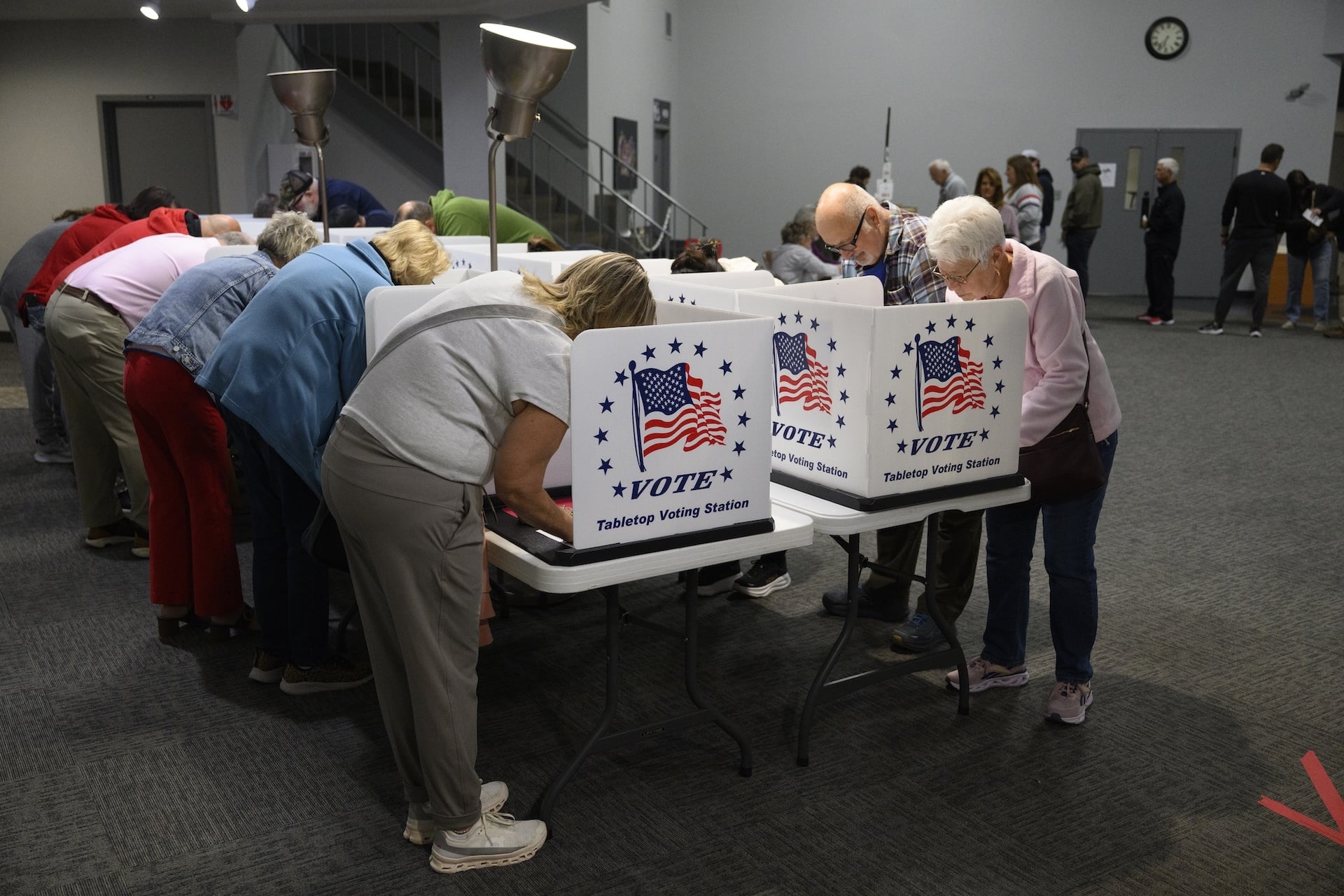
Political groups backing and opposing the artificial intelligence (AI) industry poured millions into the recent midterm elections, aiming to shape AI regulation. Two AI-focused PACs, American Mission and Building the Future, spent a combined $4.8 million to support South Carolina Senate candidate Darline Graham, who ultimately lost.
Additionally, American Mission contributed over $500,000 each to Republican House candidates Aaron Flint in Montana and Laurie Buckhout in North Carolina, both of whom also lost their races. On the Democratic side, Think Big, the Democratic arm of Leading the Future (LTF), had more success backing Florida Representative Jared Moskowitz, who won reelection.
Groups advocating for stronger AI safeguards saw mixed results, with Public First, backed by Anthropic, seeing success in backing Democratic candidates, while Guardrails Alliance, which opposes AI industry contributions, spent over $1 million each to oppose California Representative Jimmy Gomez and Montana's Aaron Flint, both of whom lost.
They also contributed $300,000 to support Angela Gonzales-Torres, who defeated Gomez. While it's challenging to isolate the impact of AI-related spending from the overall Democratic victory, influential figures like Elon Musk, who reportedly spent $500 million supporting Republicans, saw many of his candidates lose. LTF, the broader political group supporting American Mission and Building the Future, spent $27.38 million in primaries, focusing on name recognition and future AI policy agendas, rather than the general election.
As for the general election, LTF spent comparatively less, believing they should reserve resources for future elections. Guardrails Alliance, on the other hand, continues to oppose candidates backed by the AI industry, aiming to make such contributions politically toxic. Both sides remain divided on whether a national AI framework should override state laws or if states should maintain their own safeguards.
Written by urgent.news from TechCrunch's reporting — not their text. Machine-written — may contain errors; check the original before relying on it.
This story
This is one outlet's version. Read the fullest account.