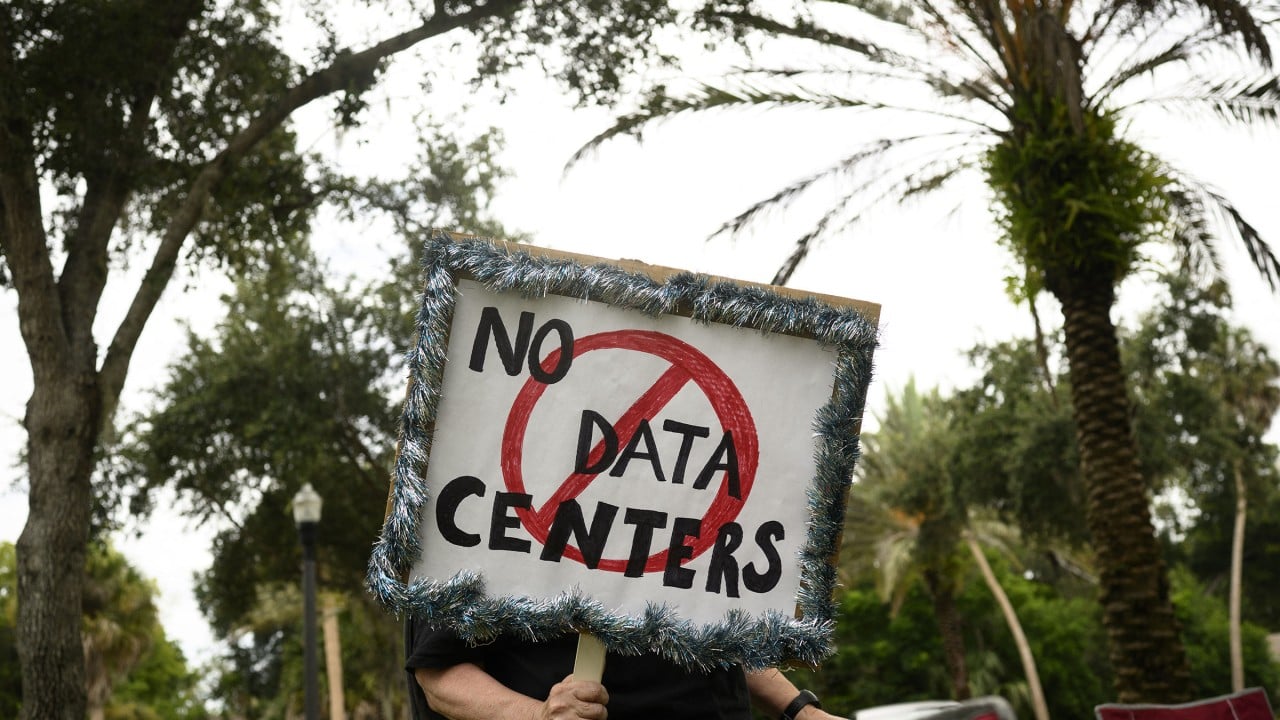
2026 election results show widespread opposition to AI data centers
Across 10 states this Election Day, voters overwhelmingly backed restrictions on data center development or rejected measures that would have eased their construction
On Election Day, 41 ballot measures related to AI data centers appeared on the ballots of 10 states. By Wednesday, the results showed that voters overwhelmingly backed restrictions on data center development in only one instance. In Wells, Maine, more than 80% of voters approved a moratorium on data center construction for a period of 180 days.
Conversely, voters in Harwood, North Dakota, rejected a proposal requiring additional review of industrial projects, including data centers, by a margin of three to one. Notably, the top three Democratic candidates for governor in Texas, Georgia, and Ohio, Gina Hinojosa, Keisha Lance Bottoms, and Amy Acton respectively, incorporated data center regulation into their campaign platforms.
Texas, which accounts for about a quarter of the U.S. data center capacity under construction, could potentially see delays in the national build-out due to tighter regulations. In the immediate aftermath of the election, investors reacted cautiously, causing a decline in AI data center stocks. However, in the long term, the results may bolster a prediction by OpenAI's chief global affairs officer, Chris Lehane, that AI will be a defining issue in the 2028 presidential election.
Written by urgent.news from Scientific American's reporting — not their text. Machine-written — may contain errors; check the original before relying on it.