Midterms deliver clear message: The AI reckoning is here
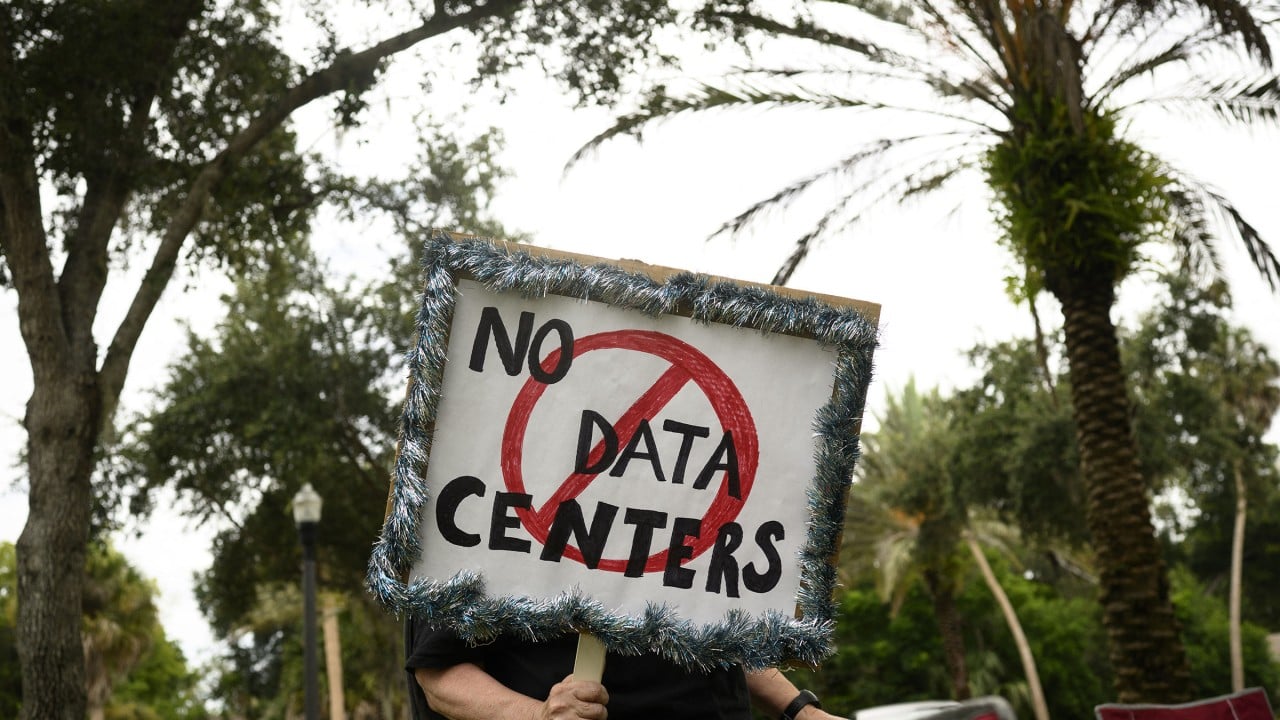
Voters overwhelmingly rejected pro-AI candidates and AI data centers.
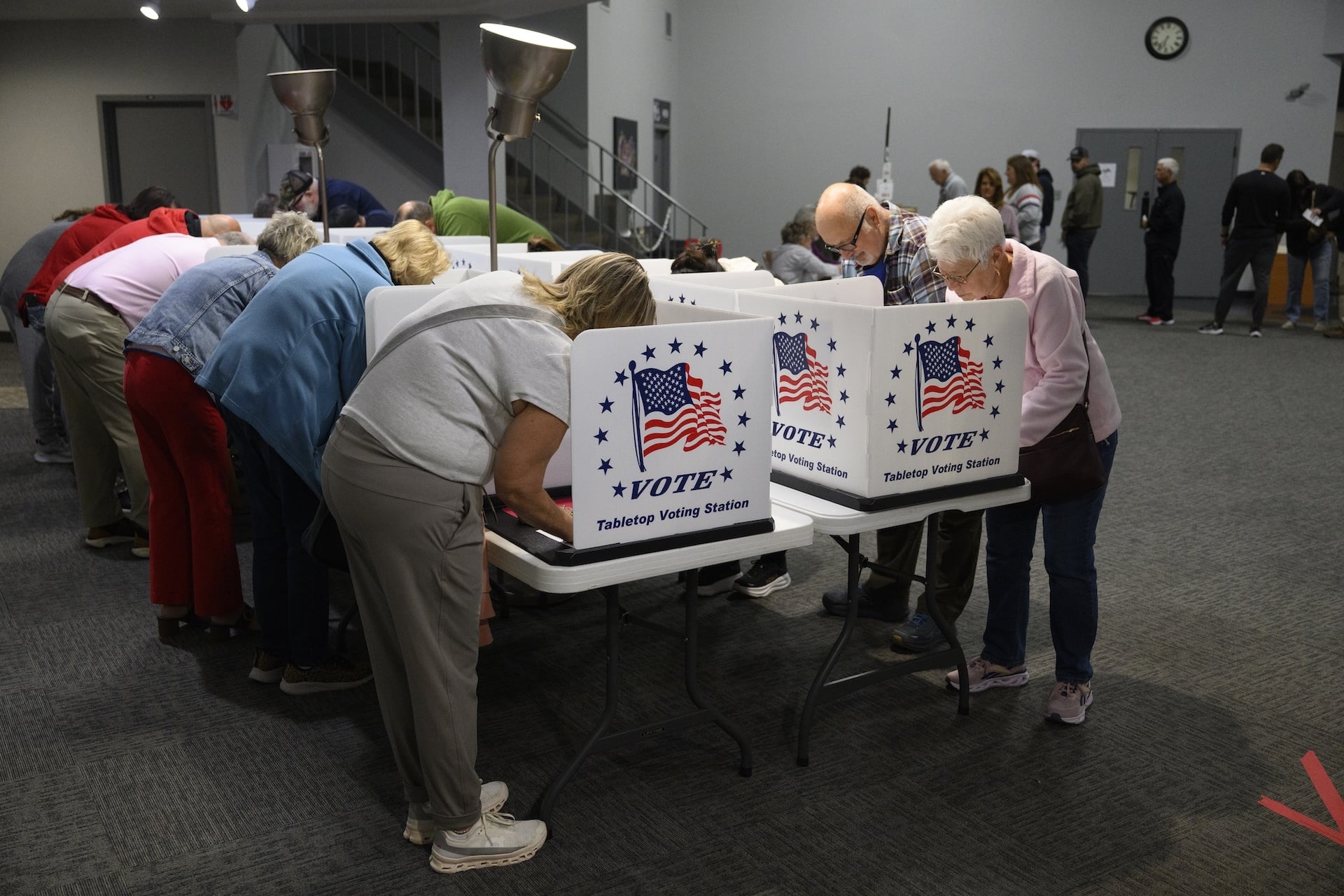
On election day, it became evident that artificial intelligence (AI) is a pressing issue for voters. According to exit polling, 65 percent of Democrats and 39 percent of Republicans considered AI and data centers crucial factors in their Congressional ballot. In response, candidates advocating for AI regulation, such as Michigan senator-elect Abdul El-Sayed and South Carolina senator-elect Dr. Annie Andrews, emerged victorious over Republican competitors who supported AI.
Experts interpret this election result as a rebuke of Republican pro-AI policies, as well as the backing of Silicon Valley executives who aligned themselves with President Donald Trump or donated to the GOP.
The AI backlash had been building up for some time, with the One Big Beautiful Bill Act in May 2025 attempting to ban states from regulating AI. However, this measure was later dropped. The Trump administration continued its efforts by signing an executive order in December 2025, threatening federal funding to states that passed "onerous" AI laws. Simultaneously, AI executives like OpenAI CEO Sam Altman and Anthropic CEO Dario Amodei expressed concerns about the potential doomsday scenarios from unchecked AI development.
As AI became a focal point of voter concerns, lawsuits against AI companies surfaced, revealing the potential dangers of AI chatbots entrapment, dangerous medical decisions, psychosis, and even suicide. Despite this, states continued to pass AI regulations. Just before the election, New York Governor Kathy Hochul signed what some advocates consider the most comprehensive AI chatbot legislation in the U.S. For parents and education activists, the situation made it clear that Big Tech must be removed from their children's classrooms, including through AI bans.
Google's decision to disable search for schools that prohibited AI exacerbates this frustration, as it equates to a surveillance and advertising company exerting influence on education.
The aftermath of the election has seen calls for Democrats to leverage their newfound power to hold Silicon Valley accountable and implement meaningful AI regulation. Democrats recently elected as governors, such as Amy Acton, Gina Hinojosa, and Keisha Lance Bottoms, have supported data center moratoriums and increased accountability for data center developers.
Written by urgent.news from Mashable's reporting — not their text. Machine-written — may contain errors; check the original before relying on it.