Berlin to BITS Pilani: How Nobel-winning Optogenetics connects to parasite research in Hyderabad
Light has become more than a means of observation; it is a way to intervene, test, and uncover cause-and-effect relationships, said Nishith Gupta, professor of Biological Sciences at BITS Pilan
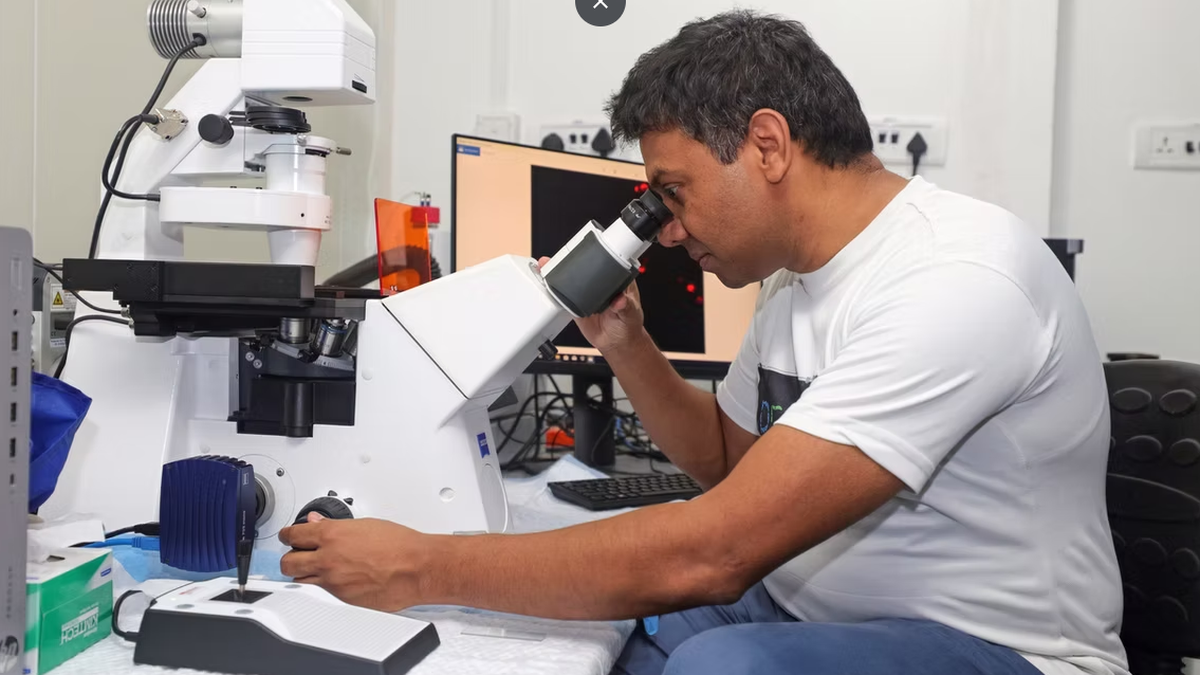
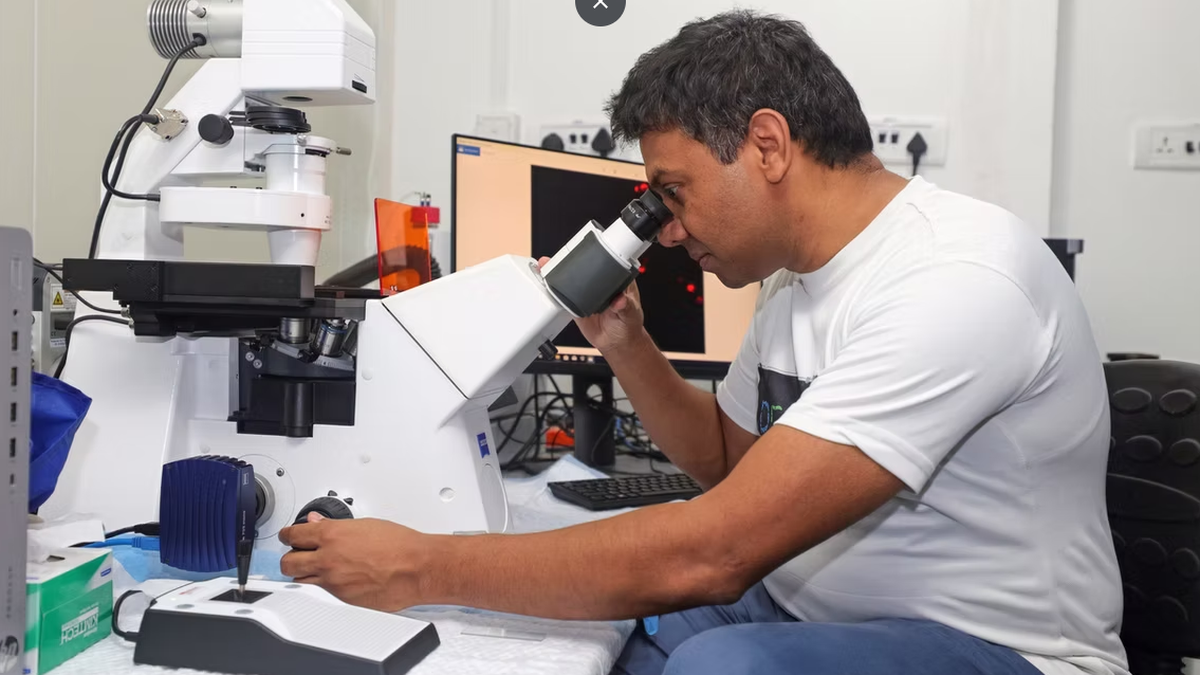
The 2026 Nobel Prize in Physiology or Medicine, awarded to Karl Deisseroth, Peter Hegemann, and Georg Nagel, has reignited interest in the field of optogenetics, a technique that uses light to control and investigate biological processes. For Nishith Gupta, a professor at BITS Pilani, Hyderabad, and founder of the Intracellular Parasite Education and Research Labs (iPEARL), the Nobel recognition holds personal significance, as his research on intracellular parasites like Toxoplasma gondii would have benefited from these discoveries.
Optogenetics, pioneered by Hegemann and Nagel, involves using light-sensitive proteins to control specific cells or biological processes. Gupta’s work, which focuses on understanding how Toxoplasma gondii interacts with its host, has utilized optogenetics to study the parasite’s signaling mechanisms, such as how it enters cells, moves, and exits.
This research, published in the Journal of Biological Chemistry in 2013, demonstrates the broader applications of optogenetics beyond neuroscience, extending into the study of infectious diseases.
Brief written by urgent.news from The Hindu's own syndicated text. Machine-written — may contain errors; check the original before relying on it.