Berlin to BITS Pilani: How Nobel-winning Optogenetics connects to parasite research in Hyderabad
Light has become more than a means of observation; it is a way to intervene, test, and uncover cause-and-effect relationships, said Nishith Gupta, professor of Biological Sciences at BITS Pilan
The 2026 Nobel Prize in Physiology or Medicine, awarded to scientists Karl Deisseroth, Peter Hegemann, and Georg Nagel, recognized their groundbreaking discoveries concerning light-gated ion channels and optogenetics. Optogenetics is a technique that uses light-sensitive proteins to control selected cells or biological processes.
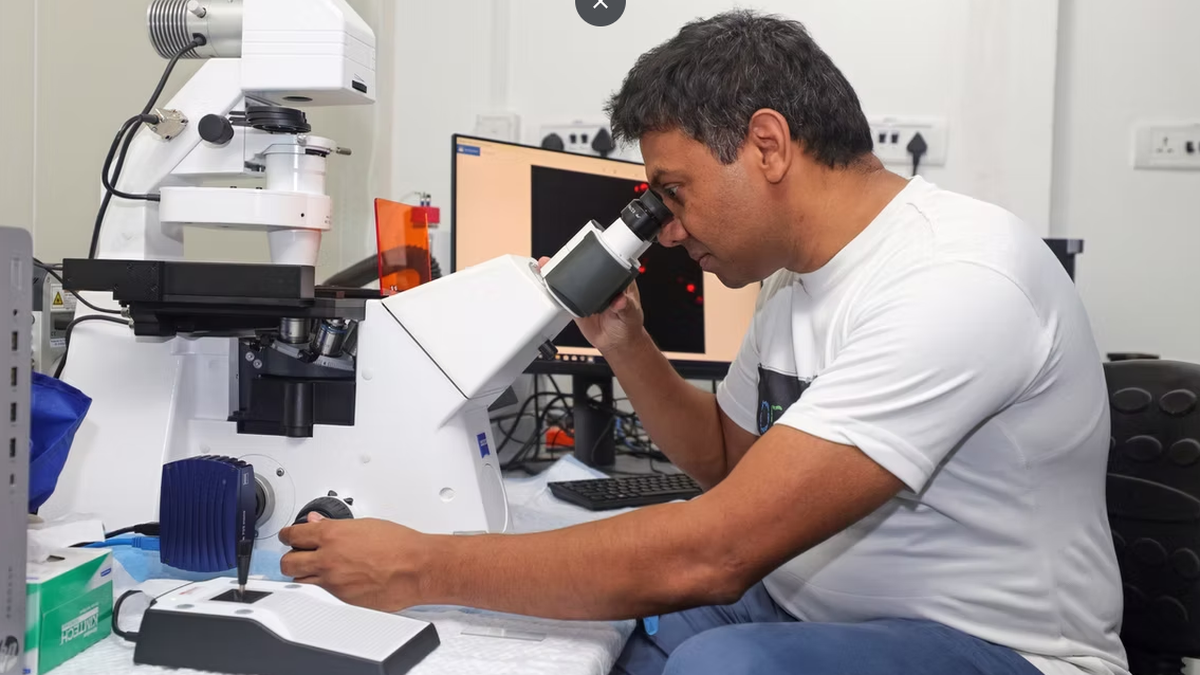
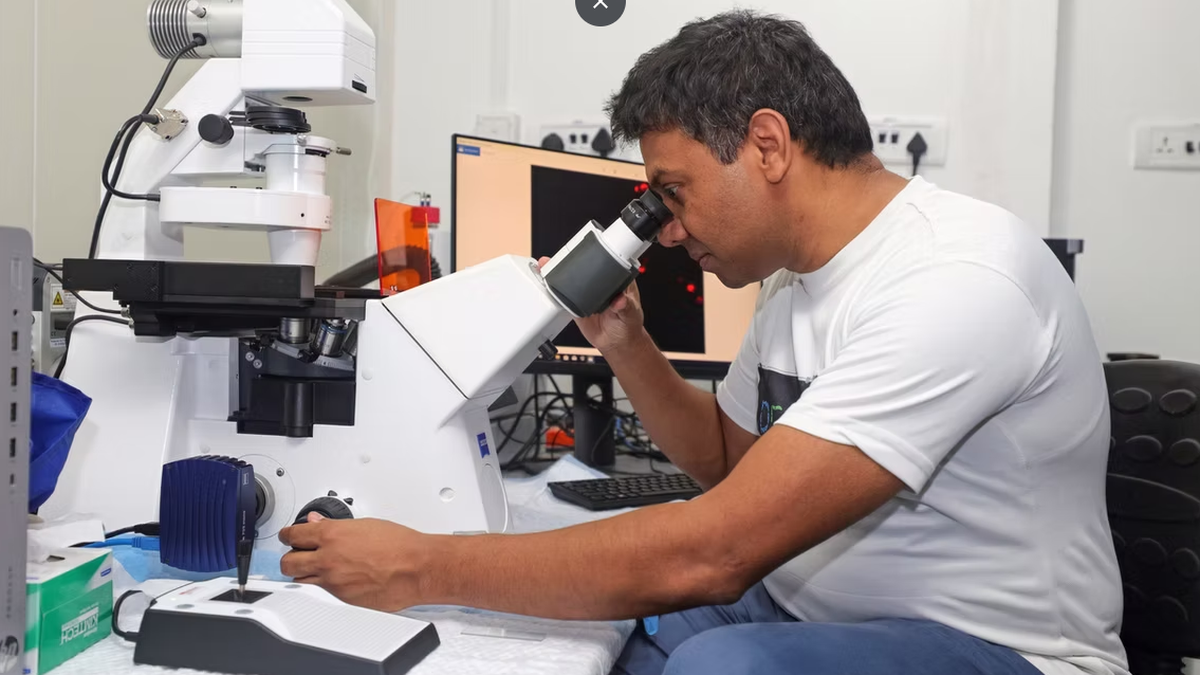
For Nishith Gupta, a professor at BITS Pilani, Hyderabad, and founder of the Intracellular Parasite Education and Research Labs (iPEARL), the Nobel recognition carries personal significance. Gupta's long-standing collaboration with Hegemann at Humboldt University of Berlin, where Hegemann holds the Hertie Senior Professor of Neuroscience, played a crucial role in extending optogenetic approaches beyond neuroscience into his research on Toxoplasma gondii, an intracellular parasite affecting humans, mammals, and birds.
Optogenetics works by introducing light-sensitive proteins into cells, enabling scientists to control these cells using light. In 2005, Deisseroth demonstrated that channelrhodopsin, a protein discovered by Hegemann and Nagel, could be triggered by blue light to generate electrical impulses in rat neurons. In 2007, he showed that light could control nerve signals in mice.
Meanwhile, Gupta, Hegemann, and their colleagues utilized light-regulated enzyme adenylate cyclase, which converts adenosine triphosphate (ATP) to cyclic Adenosine Monophosphate (cAMP), a molecule acting as a cellular messenger.
The groundbreaking study, published in the Journal of Biological Chemistry in 2013, revealed that light could regulate the enzyme, subsequently producing cAMP, which helps regulate various processes within the parasite, such as its entry, movement, and exit from cells. This discovery has significant implications for understanding the parasite's lifestyle and infection mechanisms.
The Nobel recognition underscores the far-reaching consequences of fundamental research and demonstrates how technologies initially developed to answer one biological question can open entirely new avenues of inquiry. Gupta emphasizes that light has transformed from a simple means of observation to a powerful tool for intervention, testing, and uncovering cause-and-effect relationships in cellular processes.
Rewritten by urgent.news; may contain errors — check the original.
Source: thehindu.com
This story
This is one outlet's version. Read the fullest account.