Berlin to BITS Pilani: How Nobel-winning Optogenetics connects to parasite research in Hyderabad
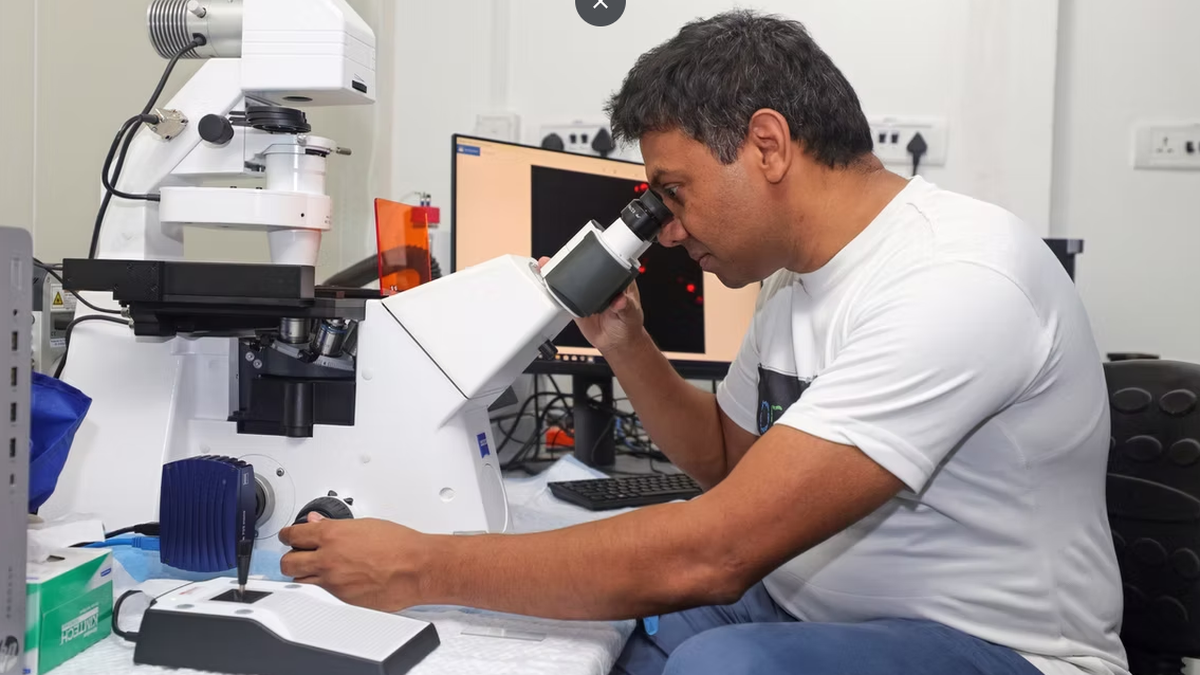
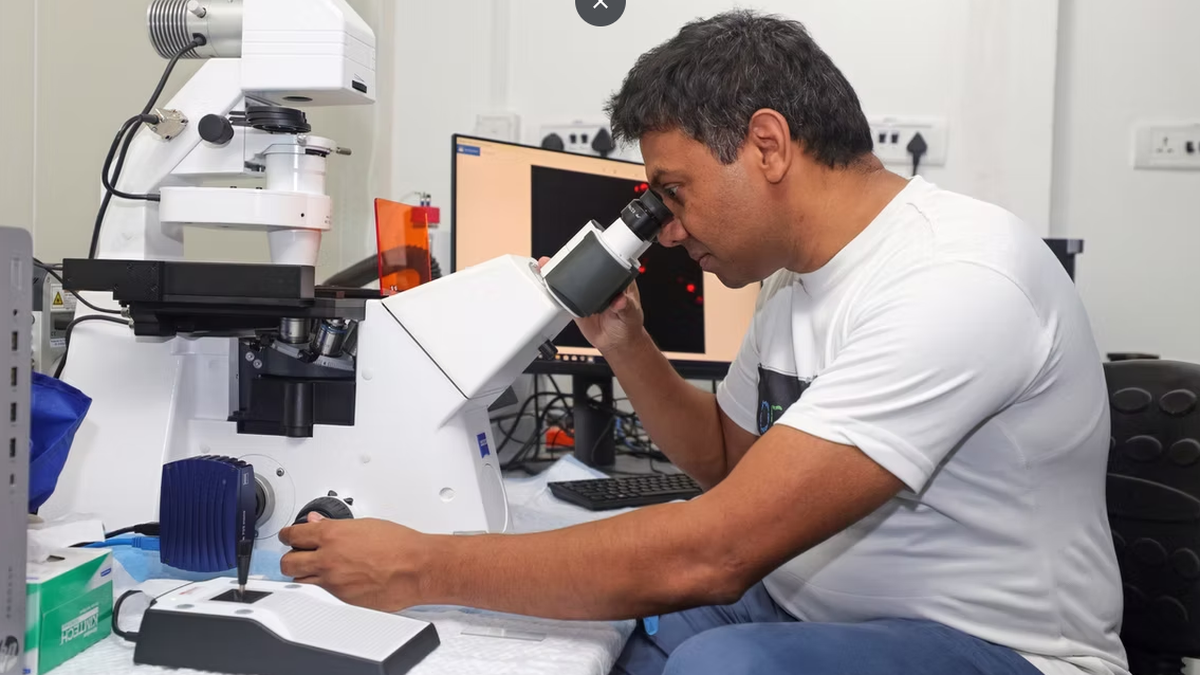
Light has become more than a means of observation; it is a way to intervene, test, and uncover cause-and-effect relationships, said Nishith Gupta, professor of Biological Sciences at BITS Pilan
The 2026 Nobel Prize in Physiology or Medicine, awarded to Karl Deisseroth, Peter Hegemann, and Georg Nagel, has sparked renewed interest in utilizing light to investigate fundamental biological processes. These processes encompass memory formation, emotions, behaviors related to neurological and psychiatric disorders, and mechanisms involved in infectious diseases.
The Nobel Committee highlighted how optogenetics, a technique pioneered by Hegemann and Nagel, has transcended its origins in neuroscience to be applied in research on intracellular parasites.
Nishith Gupta, a professor at BITS Pilani, Hyderabad, and the founder of the Intracellular Parasite Education and Research Labs (iPEARL), sees personal significance in the Nobel recognition. His long-standing collaboration with Hegemann at Humboldt University of Berlin has led him to investigate Toxoplasma gondii, an intracellular parasite that infects humans, mammals, and birds.
Optogenetics, which involves controlling selected cells or biological processes using light-sensitive proteins, has allowed Gupta's team to delve into the parasite's lifestyle, including how it enters cells, moves, and exits cells.
Optogenetics was initially discovered by Hegemann when he observed how Chlamydomonas, a single-celled alga, swims towards a light source. By discovering channelrhodopsin, an algal protein that responds to blue light, Hegemann and Nagel found a way to make cells light-sensitive. In 2007, Deisseroth demonstrated that introducing channelrhodopsin into rat neurons enabled blue light to trigger nerve signals.
Gupta, Hegemann, and other researchers have since utilized light-regulated enzyme adenylate cyclase, which converts adenosine triphosphate (ATP) to cyclic Adenosine Monophosphate (cAMP), to study Toxoplasma gondii. This research was published in the Journal of Biological Chemistry in 2013.
The Nobel Laureates' work has illuminated the potential of light-based interventions in understanding biological processes. Gupta emphasizes that a tool developed to study one biological question can lead to entirely new avenues of research. The light-sensitive proteins once used to probe neural functions are now being employed to investigate the lifestyle and infection mechanisms of Toxoplasma gondii.
Rewritten by urgent.news; may contain errors — check the original.
Source: thehindu.com
This story
This is one outlet's version. Read the fullest account.