GAEC must retain nuclear scientists for Ghana’s nuclear ambitions – Minister
Dr Zanetor Agyeman-Rawlings, Minister of Environment, Science and Technology, has called for urgent measures to curb staff attrition at the Ghana Atomic Energy Commission (GAEC) and retain skilled nuclear scientists.
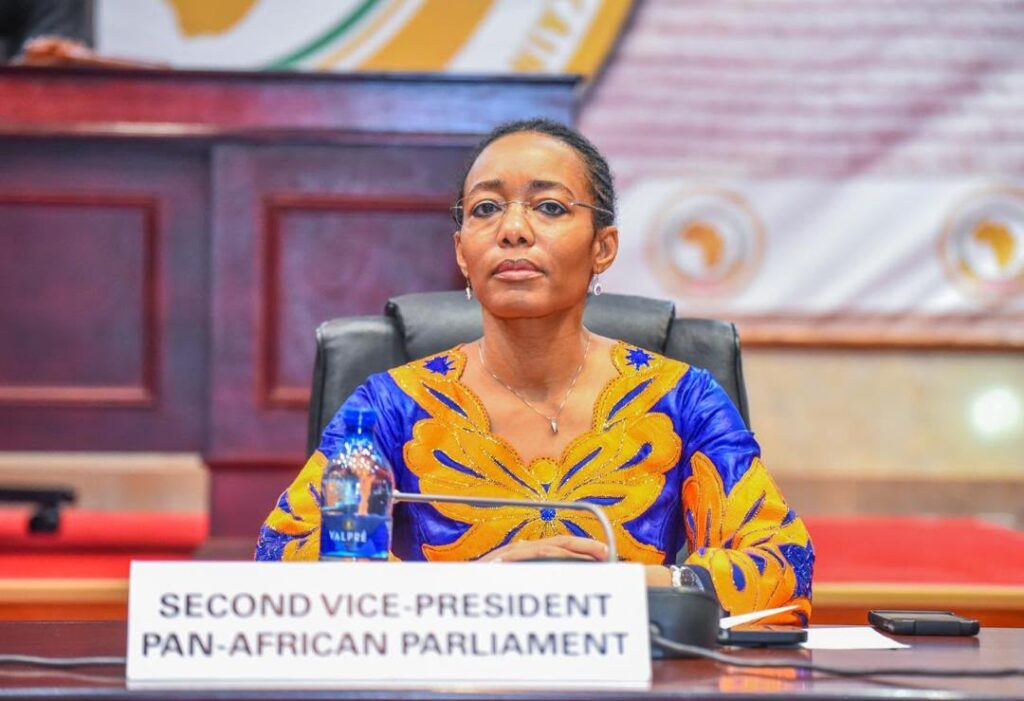
Dr Zanetor Agyeman-Rawlings, Minister of Environment, Science and Technology, has urged urgent action to combat staff turnover at the Ghana Atomic Energy Commission (GAEC) and retain experienced nuclear scientists. Retaining such personnel is crucial for advancing research and developing the expertise necessary to support Ghana's planned expansion of nuclear technology, encompassing power generation.
During a visit to GAEC in Accra, Dr Agyeman-Rawlings emphasized that cultivating expertise in specialized scientific domains necessitates years of training and experience, necessitating efforts to address factors contributing to staff attrition. She stated, "The fields that you occupy are very specialized, and you need an average of at least 15 years to get someone up to the level where they can actually be productive in this field and be able to do something for Ghana."
The Minister proposed dialogues between management and staff to pinpoint the causes of the high attrition rate and devise suitable solutions. She underscored the need to pair investments in nuclear infrastructure with initiatives to cultivate and retain a proficient workforce equipped to operate facilities safely and efficiently.
The Minister also expressed apprehension regarding unauthorized encroachment on GAEC lands and advocated for a comprehensive audit of properties owned by agencies under her Ministry to safeguard strategic assets. She directed agencies not to dispose of their land or other assets without prior consultation, noting that certain properties might be indispensable for future expansion and could be challenging to replace.
Concerning public safety, Dr Agyeman-Rawlings called for intensified public awareness regarding GAEC's activities in nuclear medicine, radiation monitoring, mining, water testing, and archaeological research. She urged the populace to be informed about the risks associated with residing within designated buffer zones surrounding mining sites and other facilities, particularly concerning radiation exposure.
The Minister welcomed GAEC's transition from cobalt-based technology to electron-beam technology and stressed the importance of safeguarding the public from potential hazards. She also urged the Commission to make its observatory more engaging and to expose students to careers in space science and technology. Dr Agyeman-Rawlings proposed arranging visits to GAEC facilities for students who excel in national mathematics and science competitions to familiarize them with scientific research and career prospects.
During the presentation, GAEC listed land encroachment, high staff turnover, insufficient research funding, and elevated utility bills as significant operational hurdles. Professor Samuel Dampare, Director-General of GAEC, expressed gratitude to the Minister for the visit and affirmed that the Commission would continue to partner with the Ministry to propel nuclear science and technology for Ghana's benefit.
Written by urgent.news from MyJoyOnline Ghana's reporting — not their text. Machine-written — may contain errors; check the original before relying on it.