A Sperm Whale Sank a Yacht in the South Pacific, Recalling the Real-Life Story Behind <em>Moby-Dick</em>
Learn how four sailors had to survive 18 hours after their boat collided with a sperm whale, and how the rise in these collisions is dangerous for humans and cetaceans.
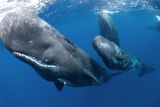
At around 250 nautical miles north of Norfolk Island in the South Pacific, a 52-foot yacht named Tai Tam collided with a pod of sperm whales on September 26, 2026. The impact caused seawater to pour through the damaged hull and the yacht began to sink. The four sailors on board found themselves in a desperate fight to keep their vessel afloat. This incident, reminiscent of the real-life tale behind Herman Melville's Moby-Dick, highlights the dangers sailors face when encountering these massive marine creatures.
The collision inflicted damage to the yacht's starboard steering gear, leaving the sailors with no choice but to activate their emergency position-indicating radio beacon (EPIRB) around half an hour after the impact. A Royal New Zealand Air Force P-8A Poseidon aircraft responded, establishing radio contact and coordinating rescue efforts.
Within hours, the sailors moved into a life raft, cutting it loose from the sinking yacht as they feared the vessel might pull them underwater. By the early hours of the next day, the MV Sofrana Surville, a container ship, had reached the scene, saving the crew's lives roughly 18 hours after the incident.
The case of Tai Tam's sinking serves as a stark reminder of the perils faced by sailors when they unexpectedly share space with some of the ocean's largest animals. Despite the distance from land, the crew's swift response, including activating their EPIRB, played a crucial role in their survival. Experts stress that being prepared and vigilant can significantly increase one's chances of safety at sea.
The story also underscores the importance of preventing collisions between boats and whales, urging the implementation of measures such as rerouting ships around whale concentrations, protecting critical habitats, and reducing vessel speeds in high-risk areas. For individual boaters, being aware of whale behaviors and maintaining a safe distance can prevent such tragic encounters.
Written by urgent.news from Discover Magazine's reporting — not their text. Machine-written — may contain errors; check the original before relying on it.