NYC math teacher who helped develop Illustrative Mathematics makes the case for its open-ended approach
Did you know search engines like Google are changing the way you see news? Keep Chalkbeat’s valuable education coverage at the top of your feeds by clicking here and checking the box next to our name. New York City has made a big bet that math instruction should prioritize open-ended problem solving and student discussion rather than more rote methods. But some educators worry the new curriculum…
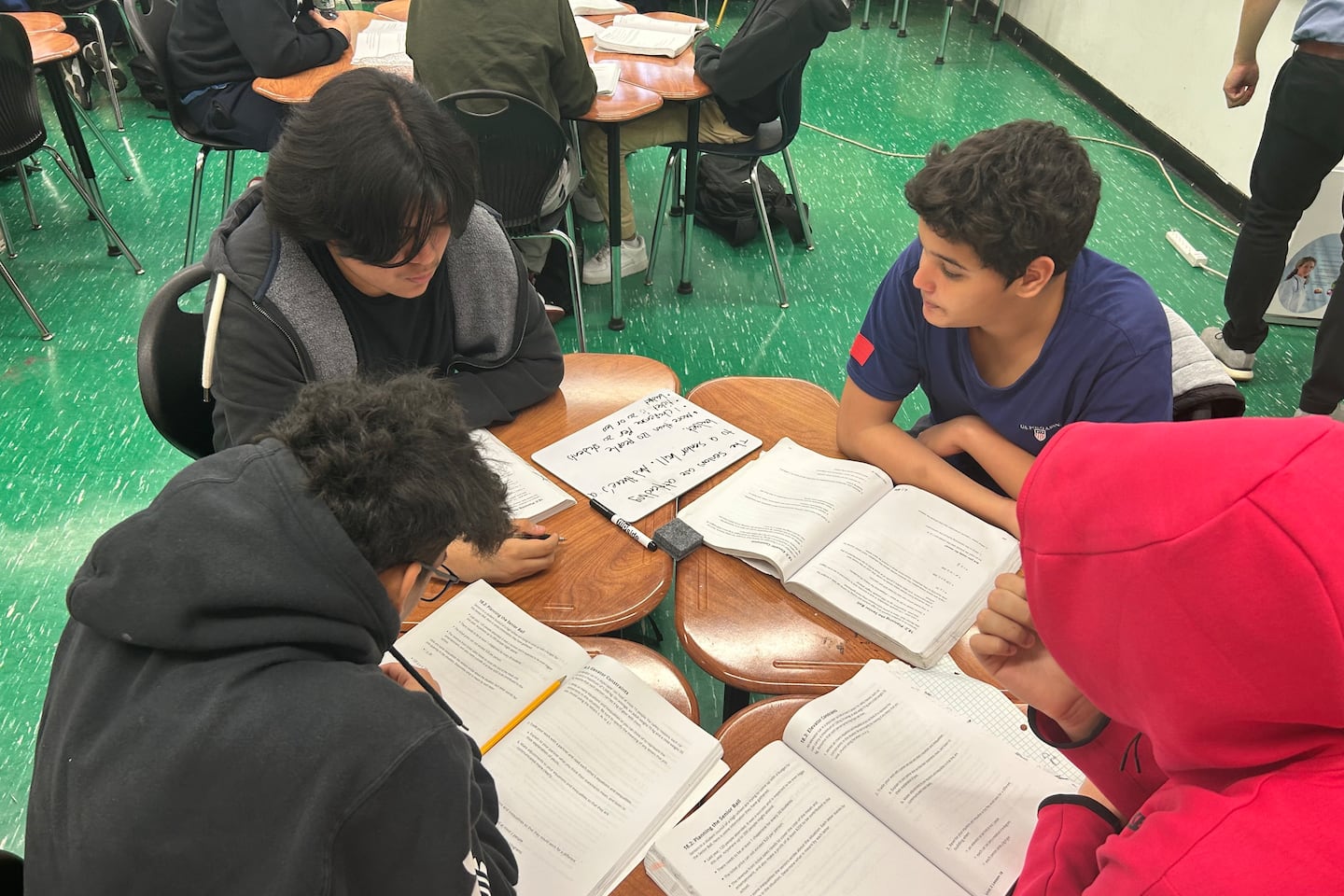
New York City has embraced an open-ended approach to math instruction through the Illustrative Mathematics curriculum, believing students should focus on conceptual understanding rather than rote memorization. Gabe Rosenberg, a math teacher at Bard High School Early College in Manhattan and a key contributor to the curriculum, advocates for prioritizing knowledge and skills that students can retain over the long term.
Rosenberg emphasizes that all students can learn mathematics if given the chance to explore it themselves. He cites a geometry lesson on congruence as a favorite, which encourages students to prove and disprove claims, revise their thinking, and understand the importance of precise definitions in mathematics.
Critics argue that the curriculum assumes students have a foundation in basic math skills, but Rosenberg disputes this claim. He points out that the curriculum includes numerous opportunities for formative assessment, allowing teachers to identify and address gaps in students' understanding. By providing targeted support, Rosenberg believes students can engage meaningfully with grade-level mathematics and see the relevance of concepts in new contexts, potentially increasing motivation to learn.
Written by urgent.news from Chalkbeat's reporting — not their text. Machine-written — may contain errors; check the original before relying on it.