Ghana’s tuna industry in crisis as 20 hook-and-line vessels collapse
Ghana’s tuna industry is facing mounting operational pressures that have already wiped out its entire hook-and-line fleet, with escalating costs and gaps in local expertise threatening the survival of a vital part of the sector. A member of the Tuna Association and Vice President of the National Fisheries Association of Ghana (NAFAG), Richster Amarh Amarfio, […]
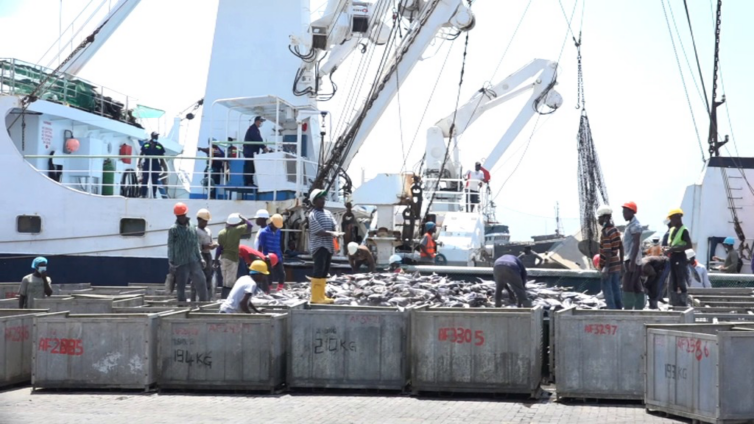
Ghana's tuna industry is in a state of crisis as the entire hook-and-line fleet has ceased operations, according to a report by Joy Business. This disaster stems from soaring costs and a lack of local expertise, which has crippled a crucial sector. Richster Amarh Amarfio, a Tuna Association member and Vice President of the National Fisheries Association of Ghana (NAFAG), revealed this in an interview.
Ghana's quota for tuna vessels, under ICCAT, stands at 37, with 17 using purse seine nets and the remaining 20 employing the hook-and-line method. However, all 20 hook-and-line vessels are currently out of service.
The absence of these vessels has significant repercussions, particularly for local processors like Pioneer Food Cannery and Cosmo Foods. Fuel is a major concern, as vessel fuel costs are at market rates, amounting to approximately GH¢18 per litre. For a single fishing trip, a vessel might require up to 270,000 litres, leading to substantial fuel expenses.
Maintenance, labor, and licensing costs are also exorbitant due to the need to meet international standards. Moreover, Ghana lacks enough specialized tuna-fishing personnel and training facilities, with all captains currently being Korean. Vessel licensing costs have skyrocketed from US$35 per gross registered tonnage (GRT) to US$135 per GRT.
Port charges, pegged to the US dollar, add to the financial burden. Security is another heavy cost, as vessels now carry armed naval personnel due to incidents of armed attacks and hijacking threats.
The collapse of the hook-and-line fleet is also linked to difficulties in securing live anchovies, used as bait for tuna fishing. Restrictions on using light to attract bait have made it challenging to catch the necessary bait, causing long delays and contributing to the fleet's demise. Despite tuna prices rising from US$3,000-US$4,000 per tonne in 2016 to around US$24,000 currently, operating costs have risen sharply, further straining margins.
Ghanaian fishing businesses have limited control over international tuna prices, and the rising costs are putting significant pressure on profit margins. Maintenance infrastructure is another critical issue, with vessels experiencing lengthy waits for dry-dock services, sometimes up to two years at the Port of Abidjan in Côte d'Ivoire.
The combination of ageing vessels and rising maintenance, fuel, labor, licensing, security, and port costs is making it increasingly difficult for fishing businesses to stay afloat. The local processing industry, which depends on a steady supply of locally caught fish, faces potential challenges as the collapse of 20 hook-and-line vessels could disrupt the supply of raw materials for processors such as Pioneer Food Cannery and Cosmo Foods.
Written by urgent.news from Adom Online's reporting — not their text. Machine-written — may contain errors; check the original before relying on it.
This story
This is one outlet's version. Read the fullest account.