Ghana’s tuna industry in crisis as 20 hook-and-line vessels collapse
Ghana’s tuna industry is facing mounting operational pressures that have already wiped out its entire hook-and-line fleet, with escalating costs and gaps in local expertise threatening the survival of a vital part of the sector.
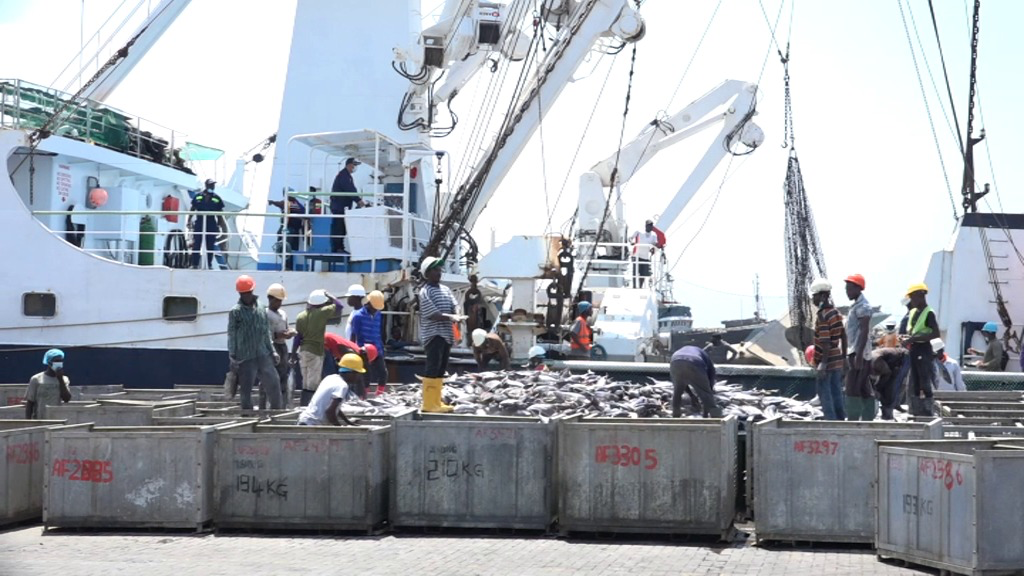
Ghana's tuna industry is grappling with a significant crisis, resulting in the collapse of the entire hook-and-line fleet, totaling 20 vessels. The challenges are multifaceted, stemming from escalating operational costs, skill gaps, and mounting financial burdens. The Tuna Association's Richster Amarh Amarfio revealed that Ghana is allocated 37 tuna vessels under ICCAT regulations, with 17 using purse seine nets and the remaining 20 employing the hook-and-line technique.
However, none of the hook-and-line vessels are currently operational. This catastrophe extends beyond fishing operations, as the fleet was instrumental in supplying fish to local processors like Pioneer Food Cannery and Cosmo Foods. A critical issue facing the remaining vessels is the soaring cost of fuel, currently priced at approximately GH¢18 per litre.
For a fishing trip requiring around 270,000 litres, fuel expenditure could reach millions of cedis. Labor and maintenance costs are also substantial, as vessels and crews must adhere to stringent international standards. Furthermore, Ghana relies heavily on foreign expertise due to a scarcity of local tuna-fishing personnel and training facilities.
The captains of tuna vessels are predominantly Korean, and many are nearing retirement, prompting a pressing need to cultivate a local pool of specialized crew. Licence costs have increased substantially, from US$35 to US$135 per gross registered tonnage (GRT), which for a 1,000 GRT vessel translates to a license fee of US$135,000, up from US$35,000.
Port charges are also tied to the US dollar, subjecting fishing businesses to additional volatility when the exchange rate fluctuates. Security expenses have likewise risen, as vessels now require armed naval personnel to counteract armed attacks and hijacking threats at sea, an added expense borne by the companies themselves.
Written by urgent.news from Joy Business's reporting — not their text. Machine-written — may contain errors; check the original before relying on it.