Iran war live: Tehran awaits official response as Trump rejects Hormuz plan
US president rejects Iran's seven-day plan to reopen the Strait of Hormuz, saying the deal is not 'acceptable'.
Iran put forth a seven-day plan on Friday to revive the Strait of Hormuz, yet US President Donald Trump declined the offer. The narrow waterway is crucial for global oil trade and has been a source of tension between the United States and Iran, now in a stalemate for seven months. The UN's assembly of world leaders in New York spurred potential progress for a settlement.
Iranian Foreign Minister Abbas Araghchi spoke to Trump's envoy Steve Witkoff on Tuesday and laid out conditions for ending the conflict and reopening the vital shipping channel. Araghchi said, "If the necessary conditions are met, the strait can be reopened, and normal maritime passage restored within seven days." The US now holds the decision.
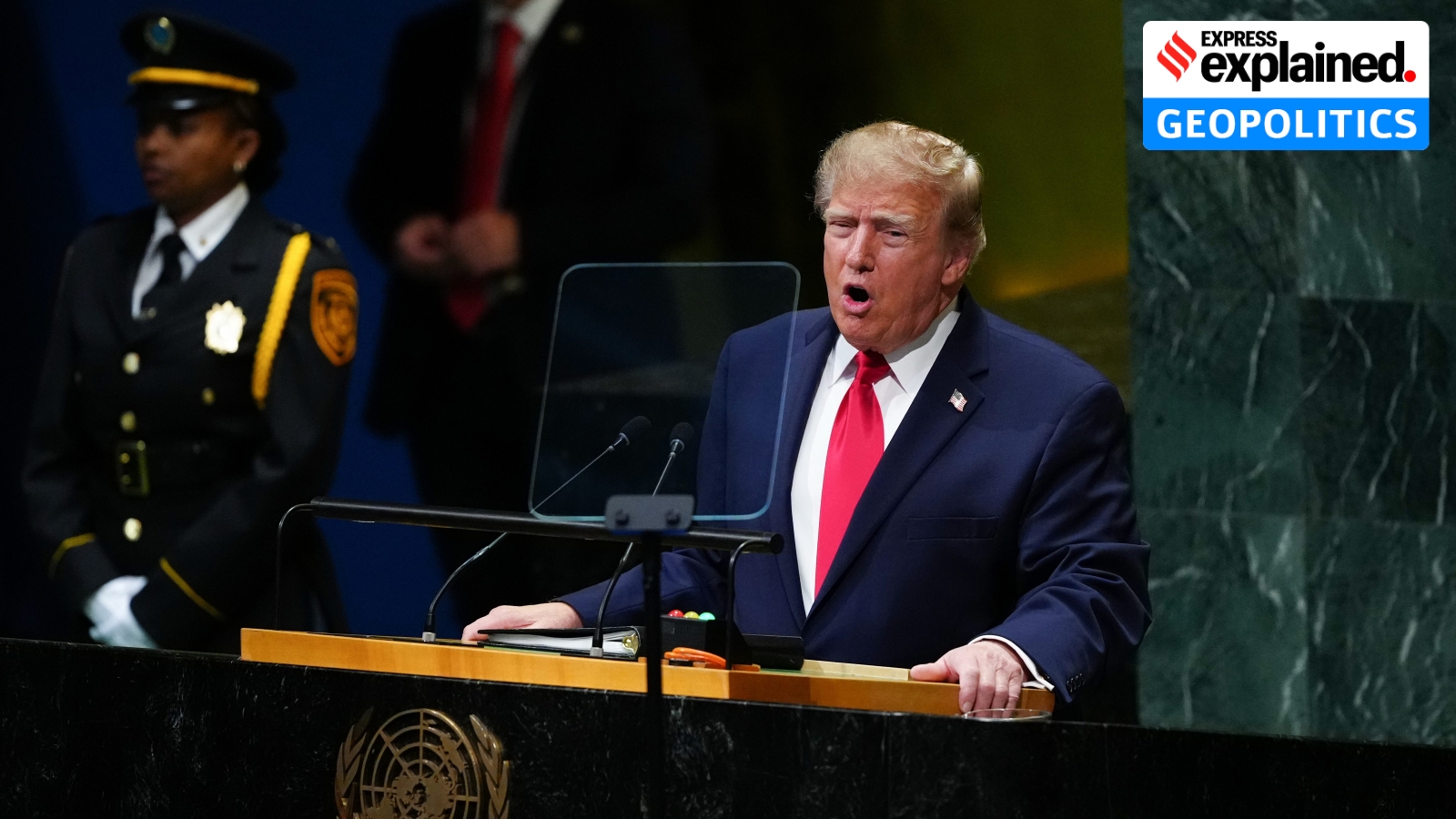
Iran will not yield to coercion, threats, or intimidation, and will not relinquish its sovereign rights under duress. However, Trump informed reporters at the White House that "They (Iran) made a proposal, but I rejected it." The Wall Street Journal cited US officials who said the 80-year-old president doubts Tehran will meet his demands and anticipates a fresh bombing campaign.
Trump also posted a map on his Truth Social platform, highlighting the Strait of Hormuz as the "Trump Strait." Reports indicated the new proposal demands an end to all hostilities in the Middle East for a week, including in Lebanon, the release of at least $12 billion in frozen Iranian assets, removal of sanctions on Iranian oil, and the lifting of a US naval blockade of Iran.
On the seventh day, Iran would reopen Hormuz. Iranian President Masoud Pezeshkian said in an interview with CBS that the ceasefire "process will begin from the very day they accept it." "If the United States agrees to proceed in that way, everything will return to the way it was before," he added. Hossein Mohebi, a Revolutionary Guards spokesman, told AFP that ending hostilities in Yemen was also among Tehran's demands.
The US and Iran signed a Pakistani-mediated memorandum of understanding in June aimed at halting the war, reopening the strait, and starting talks on Iran's nuclear program. However, the agreement fell apart shortly after when Iran attacked commercial ships in Hormuz accused of straying from the approved route. Iran requires ships to get authorization before passage, citing security and sovereignty concerns.
Ships refusing compliance are regularly targeted, while the US sometimes bombs Iranian coastal areas in retaliation.
Written by urgent.news from Dawn's reporting — not their text. Machine-written — may contain errors; check the original before relying on it.
This story
This is one outlet's version. Read the fullest account.
- Iran offers US deal to reopen Strait of Hormuz in seven days capitalfm.africa
- Iran offers US deal to reopen Strait of Hormuz in seven days kahawatungu.com
- Iran proposes Hormuz plan, Trump refuses dawn.com
- Iran warns of restrictions on ships using unauthorised Hormuz routes middleeasteye.net
- Iran rejects nuclear concessions in Hormuz proposal dailytimes.com.pk