US-Iran war: Tehran awaits response as Trump rejects Hormuz plan; Saudi Arabia condemns Iran and Houthis
Iran-US talks: Key highlights on Strait of Hormuz proposal Iran proposed a seven-day deal to end the fighting and reopen the Strait of Hormuz. The proposal requires the US to lift its naval blockade, release frozen Iranian assets and waive sanctions on Iranian oil sales. Trump rejected the proposal, saying the terms were not acceptable. Indirect US-Iran talks were held for three hours on Tuesday…
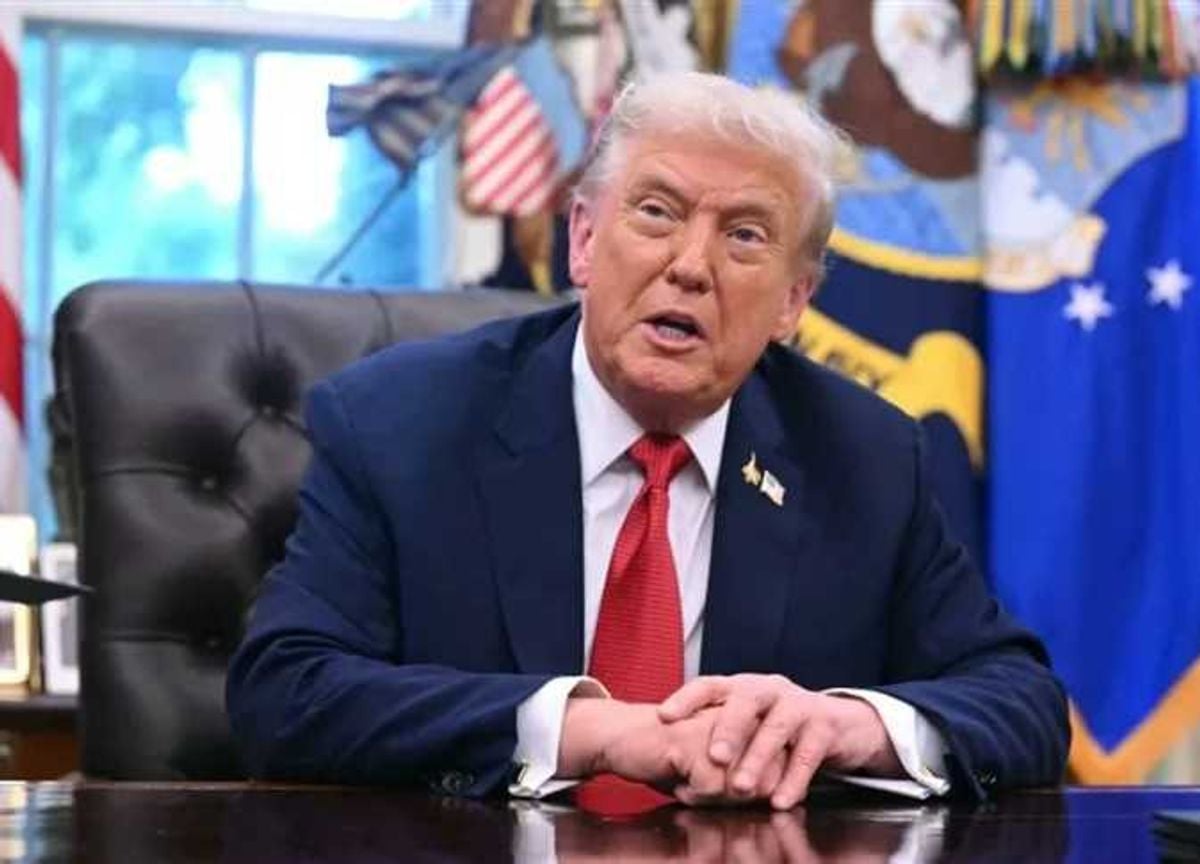
Iran has announced it will await an official response from US negotiators following President Donald Trump's rejection of a proposal to reopen the Strait of Hormuz within a week. Iranian Foreign Minister Abbas Araghchi confirmed Trump's rejection in a Telegram post, but criticized the president for previously issuing contradictory statements.
Trump had told reporters that Tehran's proposal was not acceptable and that they desired to finalize a deal immediately due to Iran's perceived disadvantage. At the UN on Friday, Araghchi stated that an agreement could materialize if necessary conditions are fulfilled between the two nations. He explained that the conditions to open the strait were identical to those outlined in a memorandum of understanding between the US and Iran, signed in June.
Iran had previously raised the issue of reopening the strait and ceasing hostilities during negotiations at the sidelines of the UN General Assembly in New York last week. The crucial waterway, responsible for transporting approximately one-fifth of the global gas and oil supply, has been effectively obstructed since the outbreak of conflict in February.
Trump declared on Saturday that he was rejecting Iran's deal, asserting that the US already held "total control" of the strait due to the substantial volume of oil passing through it. Araghchi conveyed on Telegram that Trump had made both good and contradictory statements, which Iran frequently encounters. Oman, currently mediating between the US and Iran, urged all parties to maintain open communication to resolve the crisis.
Oman's foreign minister, Sayyid Badr bin Hamad bin Hamood Albusaidi, addressed the UN General Debate, emphasizing the need for all parties to cooperate with Oman in safeguarding navigation in the strategic waterway.
Trump's disapproval of Iran's proposal was supported by the US NATO ambassador, Matthew Whitaker. Speaking to Fox News on Saturday, Whitaker alleged that Iran had presented half-measures and deceptive deals to appear favorable internationally. Whitaker emphasized that President Trump had the right to reject the deal. Meanwhile, Treasury Secretary Scott Bessent reported on Saturday that economic pressure from the US was impacting Tehran.
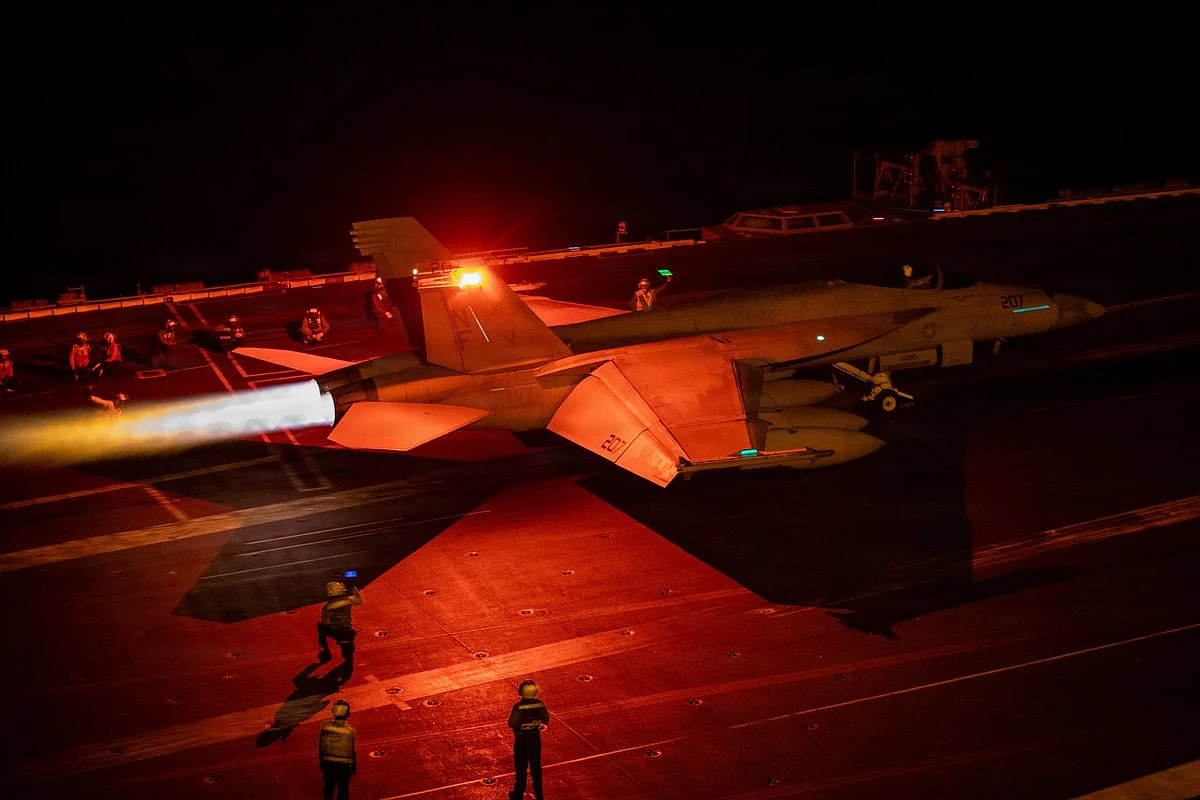
He shared on X that Turkey, Oman, and the United Arab Emirates had suspended flights from various Iranian airlines, while some banks in the UAE and Turkey had ceased transactions with Iran. The US administration has labeled an economic blockade on Iran as "Operation Economic Outcast" and is employing sanctions to compel Tehran to cease attacks on vessels in the Strait of Hormuz.
However, some economists have questioned the effectiveness of the recent sanctions, as this outcome hinges on the response from Iran's primary trading partners, including China, the largest importer of Iranian oil, which has disregarded previous US sanctions and maintained business relations with Tehran.
Written by urgent.news from BBC News's reporting — not their text. Machine-written — may contain errors; check the original before relying on it.
Also reported by 4 other outlets
- Iran says it will wait for official US response after Trump rejects Strait of Hormuz proposal myjoyonline.com
- Iran says it will wait for official US response after Trump rejects Strait of Hormuz proposal peopledaily.digital
- Iran says it will wait for official US response after Trump rejects Strait of Hormuz proposal bbc.co.uk
- Iran war live: Tehran awaits official response as Trump rejects Hormuz plan aljazeera.com