As Trump rejects Iran peace proposal, what does each side want?
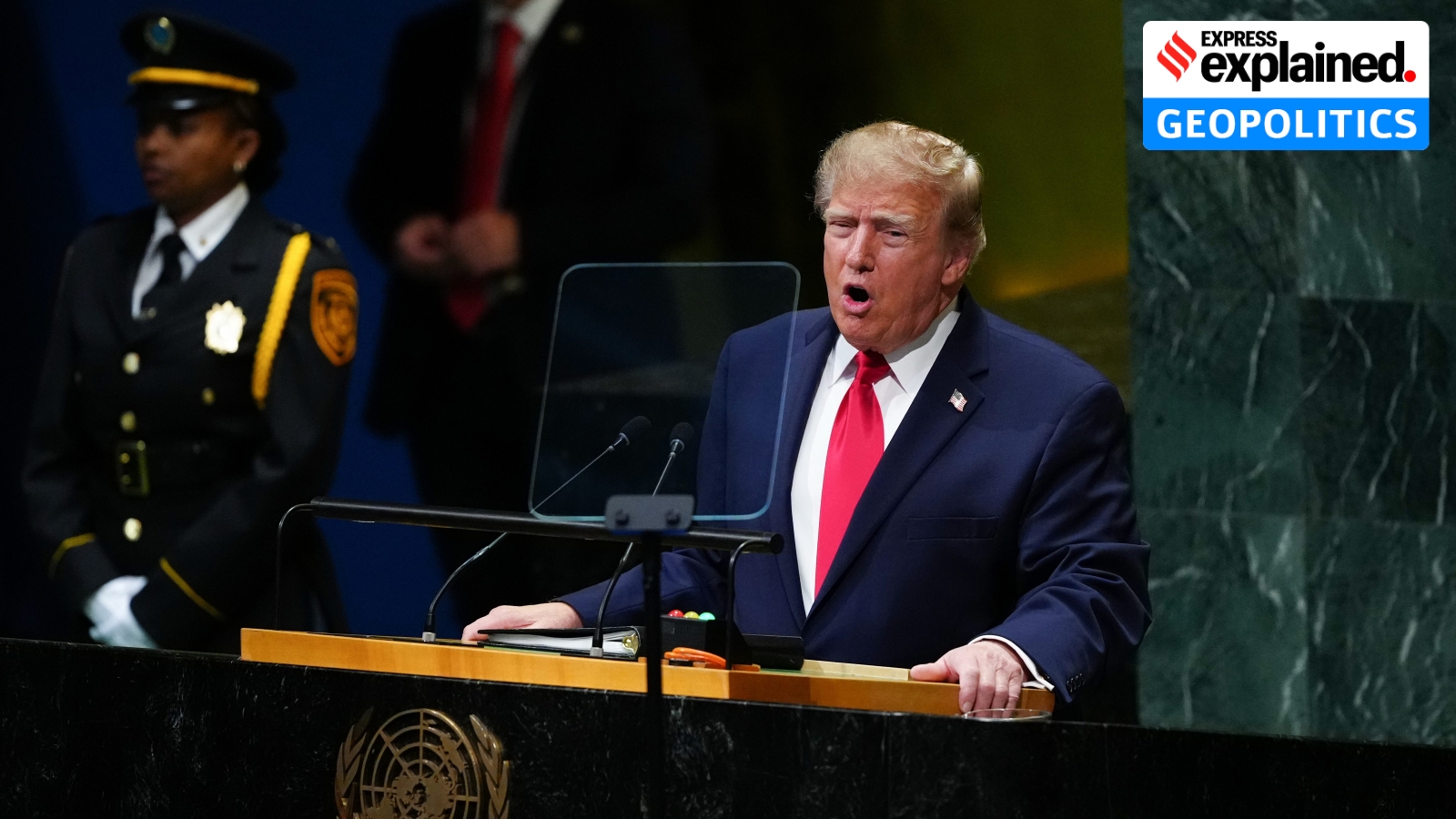
Iranian Foreign Minister Abbas Araghchi recently presented a seven-day peace deal aimed at ending the ongoing war with the US, reopening the Strait of Hormuz, and initiating comprehensive talks on Iran's nuclear program. The proposal, announced at the United Nations General Assembly (UNGA) on September 24, would require the US to waive sanctions on Iranian oil, release $12 billion in frozen Iranian assets, and end its naval blockade.
In return, Iran would open the Strait of Hormuz on Day 7 and allow broader peace negotiations, including those on the nuclear question.
Iran's position is to enforce Article 5 of the June Memorandum of Understanding (MoU), which grants Iran and Oman the long-term power to jointly control transit through the Strait of Hormuz. This provision was seen as a key reason for the collapse of the MoU in July, as the US attempted to assert its control over a new corridor in the Strait's southern waters.
Iran's strategic community sees retaining the core character of the MoU as a strategic win, emphasizing its need to prevent the US from repeatedly repudiating agreements it commits to.
The US position, as perceived by Iran, is driven by the need to undercut the Iranian bargaining position, regardless of whether the goal is to return to the June MoU or not. The US claims that its navy has facilitated over 2,000 tankers carrying more than one billion barrels of crude since May, but this is significantly lower than the pre-war flow of 20-21 million barrels per day.
Iran's efforts to maintain the blockade and its economic impact, including the cost of repairing damaged energy facilities and the loss of output, are key factors in the US's strategy.
Written by urgent.news from The Indian Express's reporting — not their text. Machine-written — may contain errors; check the original before relying on it.