Iran says it will wait for official US response after Trump rejects Strait of Hormuz proposal
Iran has said it will wait for an official response from US negotiators after President Donald Trump rejected a proposal to reopen the Strait of Hormuz to commercial shipping within seven days. In a post on Telegram, Iranian Foreign Minister Abbas Araghchi acknowledged Trump's rejection, but accused the president of previously making contradictory statements. Earlier, Trump told reporters at the…
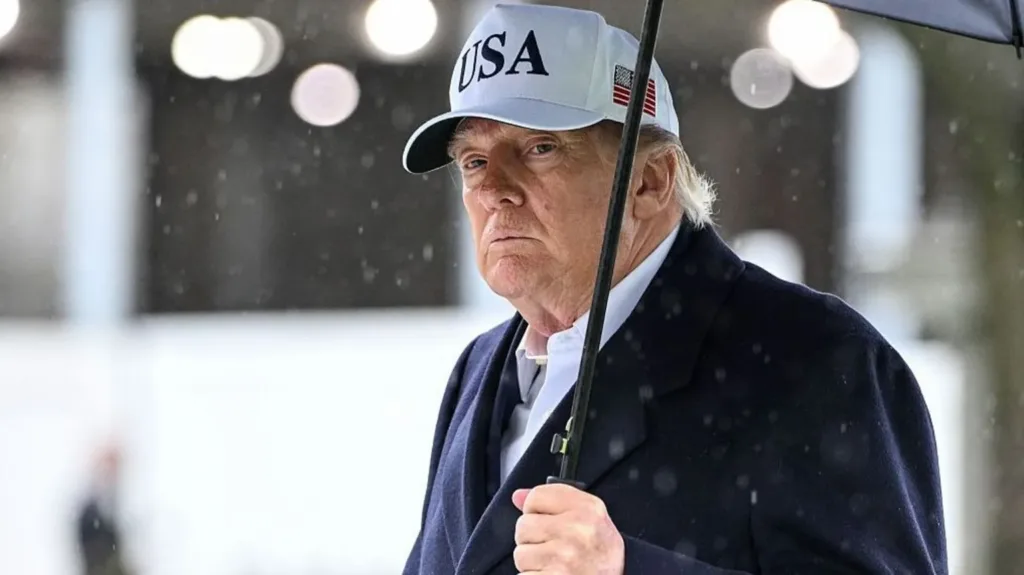
Iran has stated it will await an official response from US negotiators following President Donald Trump's rejection of a proposal to reopen the Strait of Hormuz within seven days. Iranian Foreign Minister Abbas Araghchi acknowledged Trump's rejection but criticized him for previously making contradictory statements. Trump told reporters that Tehran's proposal was "not acceptable" and that they wanted to make a deal to open the strait immediately, claiming Iran was "losing badly".
At the UN, Araghchi said an agreement could be reached if "necessary conditions are met" between the two countries. Araghchi listed the same conditions that were included in a memorandum of understanding between the US and Iran, signed in June. Iran had raised the issue of reopening the strait and ending hostilities during UN General Assembly negotiations this past week.
The crucial waterway, through which around a fifth of the world's gas and oil supply usually passes, has been effectively closed since the war's outbreak in February. When asked about the deal, Trump said he was rejecting it, emphasizing that the US already had "total control" of the strait, with "massive amounts of oil" passing through it.
Araghchi wrote that Trump had made both good and contradictory statements, and they were expecting mediators to convey definitive views. Oman, acting as a mediator between the US and Iran, called for continued open dialogue to resolve the crisis. The US ambassador to NATO, Matthew Whitaker, backed Trump's decision, saying Iran's offer was a "half measure" and an "illusory deal."
Treasury Secretary Scott Bessent stated that economic pressure from the US was impacting Tehran, with Turkey, Oman, and the UAE halting flights from Iranian airlines and some banks stopping transactions with Iran. Bessent referred to this as "Operation Economic Outcast" and emphasized the sanctions' aim to pressure Iran to stop attacks on vessels in the Strait of Hormuz.
However, some economists have questioned the effectiveness of the latest sanctions, noting that they depend on Iran's major trading partners' reactions.
Written by urgent.news from MyJoyOnline Ghana's reporting — not their text. Machine-written — may contain errors; check the original before relying on it.
This story
This is one outlet's version. Read the fullest account.
- US-Iran war: Tehran awaits response as Trump rejects Hormuz plan; Saudi Arabia condemns Iran and Houthis gulfnews.com
- 'Only negotiated solution can end deadlock': Iran as Trump rejects peace plan hindustantimes.com
- Iran says it will wait for official US response after Trump rejects Strait of Hormuz proposal peopledaily.digital
- Iran says it will wait for official US response after Trump rejects Strait of Hormuz proposal bbc.co.uk
- Iran stands firm on Hormuz plan after US rejection al-monitor.com
- Iran war live: Tehran awaits official response as Trump rejects Hormuz plan aljazeera.com