Chinese drug Loberamisal extends stroke treatment window from 6 hours to 2 days
Chinese medical scientists have shattered the brief window of time available to limit stroke damage, effectively shielding injured brain cells and dramatically improving the odds of a full recovery. Brain cells start dying within minutes of a clot blocking an artery, leading to facial droop, affected speech and in severe cases, paralysis or death. Emergency treatments, such as clot-busting drugs…
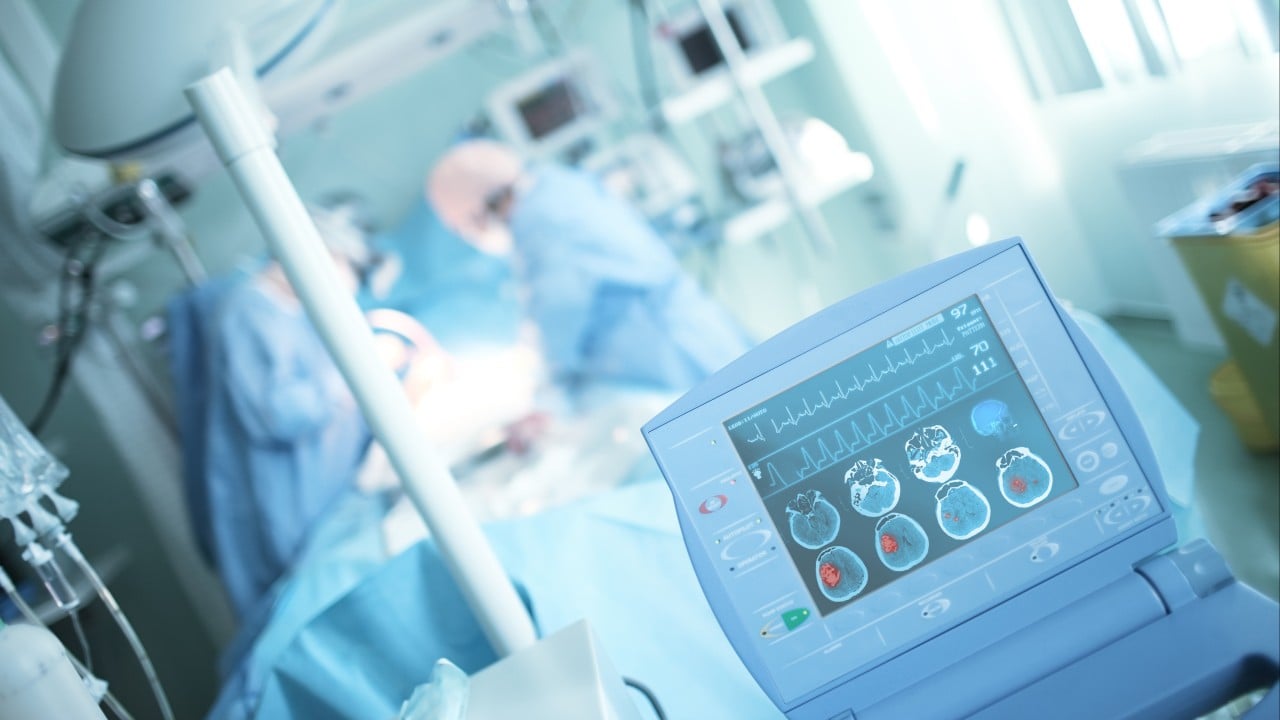
Chinese researchers have discovered a drug called Loberamisal that dramatically extends the window for treating stroke victims, from six hours to 48 hours. This breakthrough could save countless lives and improve recovery rates for millions of stroke patients worldwide each year. Brain cells begin dying within minutes of a clot blocking an artery, leading to severe symptoms such as paralysis or death.
Emergency treatments must be administered within six hours to prevent permanent damage. In clinical trials published in the top-tier Journal of the American Medical Association, Loberamisal proved effective at expanding the treatment window to 48 hours. The phase 3 trial found that 70% of patients who received Loberamisal intravenously within two days of a stroke regained complete functional independence, a significant improvement of 13 percentage points over standard care alone.
Nearly 12 million new stroke cases occur annually globally, with someone suffering a stroke every three seconds. Common treatments include intravenous thrombolytic therapy and endovascular thrombectomy, but many patients do not meet the criteria for these therapies. Loberamisal is a neuroprotective drug that reduces excitability in brain cells, blocks neuroinflammation, and limits oxidative stress, saving as many injured brain cells as possible.
The Chinese study involved 998 patients from 32 hospitals with moderate to moderately severe strokes within the past 48 hours. Half of the participants received 10 days of intravenous Loberamisal therapy, while the other half received a placebo injection. After 90 days, 350 of the 502 patients in the Loberamisal group achieved complete functional recovery, compared to only 279 of the 495 people in the placebo group, representing a 13.4% difference.
Adverse events experienced by both groups were similar, indicating the safety data was reassuring. Neurologist Jeffrey Saver, associate editor of the journal, expressed optimism about the potential impact of Loberamisal on stroke treatment worldwide.
Written by urgent.news from Reuters Business via SCMP's reporting — not their text. Machine-written — may contain errors; check the original before relying on it.
This story
This is one outlet's version. Read the fullest account.