Devolution and healthcare: Are counties bringing better care closer to Kenyans?
More than a decade after devolution, county healthcare has expanded — but patients still face gaps in medicines, staffing, equipment and affordability.
Nairobi, Kenya — Nearly a decade after most frontline healthcare responsibilities were transferred to Kenya's county governments, patients are encountering a system that has expanded facilities, staff, and specialized services. However, challenges persist in accessibility, availability of essential medicines, equipment, and the presence of health workers.
County governments, responsible for delivering county health services, play a central role in this question. For Violet Odongo, a patient at Railways Health Centre in Kisumu County, improved staffing is noticeable. "Compared to when I was young, the nurses used to be scarce," she recently remarked to the World Health Organization. This anecdote highlights the impact of increased staffing on patient care.
While staffing improvements have been observed, the devolution experience varies across the country. Not all patients can consistently find health workers, access prescribed medicines, use functioning equipment, or receive specialized treatment without extensive travel. Kenya's 2010 Constitution gave county governments responsibility for county health services, including facilities, pharmacies, ambulance services, and preventive healthcare, while the national government retained oversight of health policy, professional training, and national referral centers.
The county health system has expanded, with functional Level 4 and Level 5 hospitals established across all 47 counties. Specialized services are increasingly provided outside traditional national referral centers. However, the Ministry of Health's Service Availability and Readiness Assessment found that 33% of essential medicines were often out of stock in surveyed facilities.
Nandi County reported a 43% stock-out rate, and Kisumu County had the highest rate at 59%. A case in Tinderet Sub-county, Nandi County, shows patients receiving prescriptions but having to purchase medicines from private chemists. Basic medicines such as painkillers, antibiotics, and antimalarials are routinely unavailable at public facilities, leading patients to seek alternatives at higher costs.
Reforms to improve the availability and management of health products and technologies are underway. The Ministry of Health reported that 862 specialized medical equipment units were deployed to 251 facilities in 44 counties, with the goal of expanding specialized services at county hospitals and reducing unnecessary referrals and travel costs.
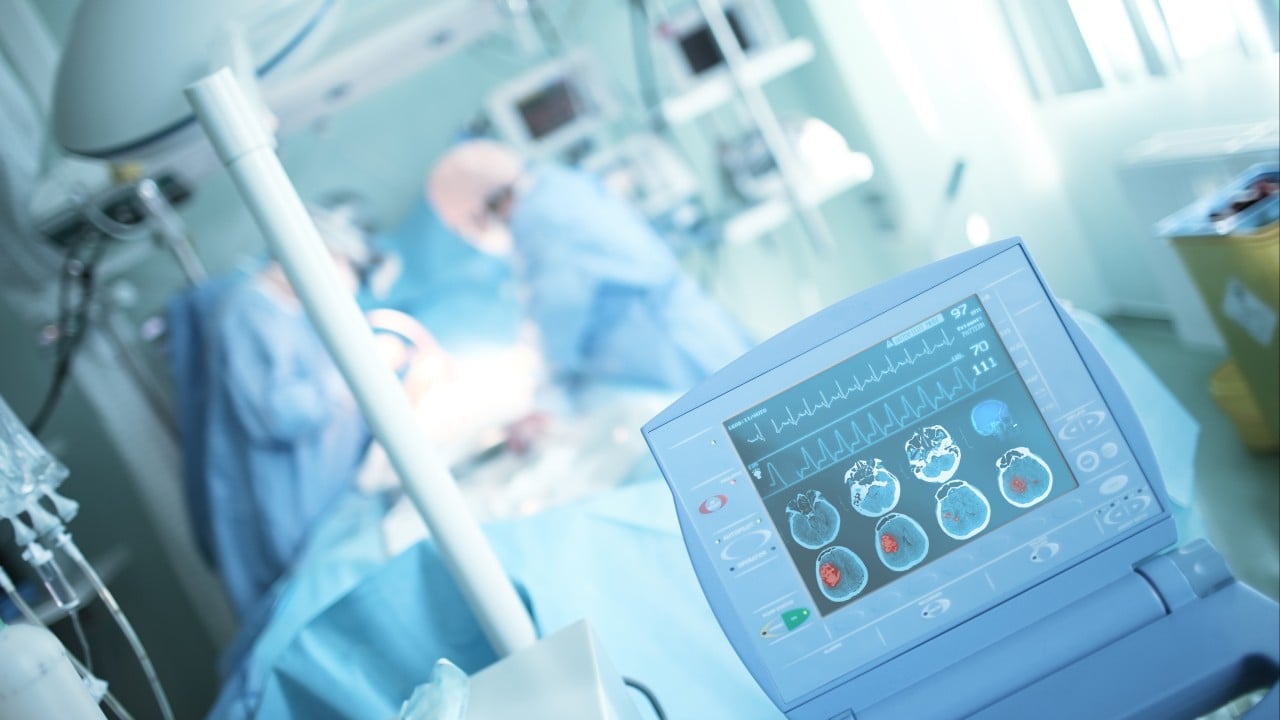
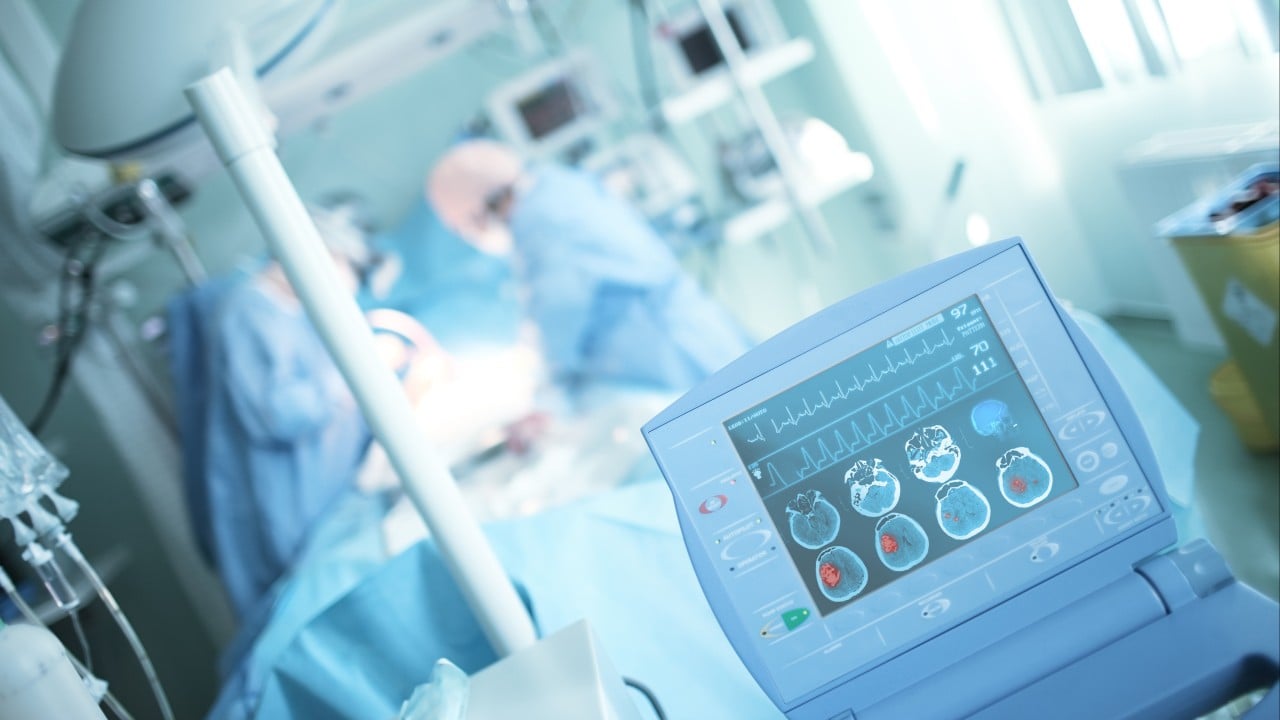
However, the availability and functionality of equipment alone do not guarantee patient satisfaction. Hospital management at Makueni County Referral Hospital recently commissioned new surgical and diagnostic equipment, including a laparoscopic tower and a digital X-ray system. The upgrades are expected to reduce referrals and manage more complex cases locally.
The same principle applies to medicines—patient access depends on the facility's ability to provide prescribed treatments promptly. Despite the progress, the quality and availability of care at county facilities remain crucial factors in determining overall healthcare outcomes for Kenyan patients.
Written by urgent.news from Capital FM Kenya's reporting — not their text. Machine-written — may contain errors; check the original before relying on it.