Chinese drug Loberamisal extends stroke treatment window from 6 hours to 2 days
Chinese medical scientists have shattered the brief window of time available to limit stroke damage, effectively shielding injured brain cells and dramatically improving the odds of a full recovery. Brain cells start dying within minutes of a clot blocking an artery, leading to facial droop, affected speech and in severe cases, paralysis or death. Emergency treatments, such as clot-busting drugs…
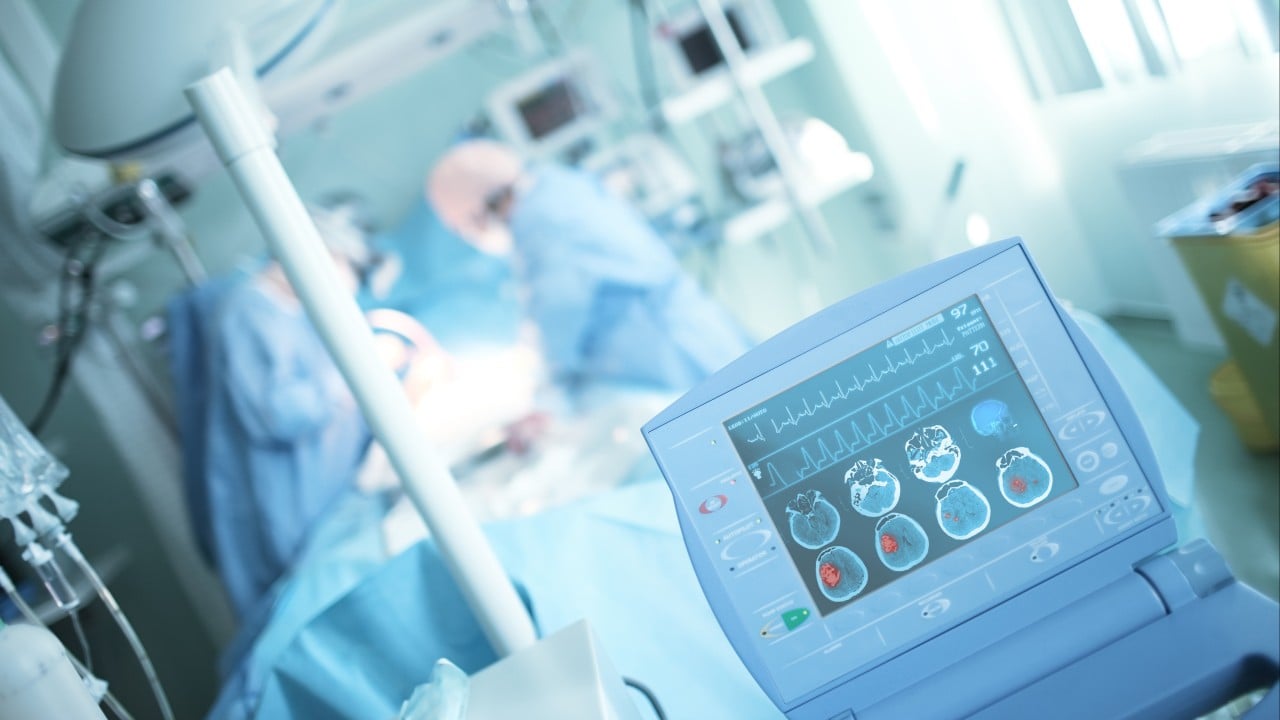
Chinese scientists have developed a drug called Loberamisal that extends the window for treating stroke victims from six hours to 48 hours. This groundbreaking discovery, published in the prestigious Journal of the American Medical Association on September 10, could significantly improve the chances of full recovery for stroke patients.
The drug works by protecting and repairing brain cells, reducing their excitability, and blocking neuroinflammation and oxidative stress. In a large-scale phase 3 trial involving nearly 1,000 patients from 32 hospitals, 70% of those who received Loberamisal intravenously within two days of a stroke regained complete functional independence within 90 days.
This is a 13 percentage point increase over standard care alone. The study's lead author, neurologist Wang Yongjun, stated that 350 out of 502 patients in the Loberamisal group achieved complete functional recovery, compared to 279 out of 495 patients in the placebo group. The safety data from the trial was reassuring, with similar adverse events experienced by both groups.
Neurologist Jeffrey Saver, associate editor of the journal, called the results "encouraging" and expressed hope that confirmatory studies would confirm these tantalizing findings for ischaemic stroke patients worldwide.
Written by urgent.news from South China Morning Post's reporting — not their text. Machine-written — may contain errors; check the original before relying on it.