What is the Nancy Grace Roman Telescope?
It is a follow-on to the Hubble Space Telescope, launched in 1990, and the James Webb Space Telescope, launched in 2021, and has capabilities that can expand on the knowledge gained by those pioneering observatories
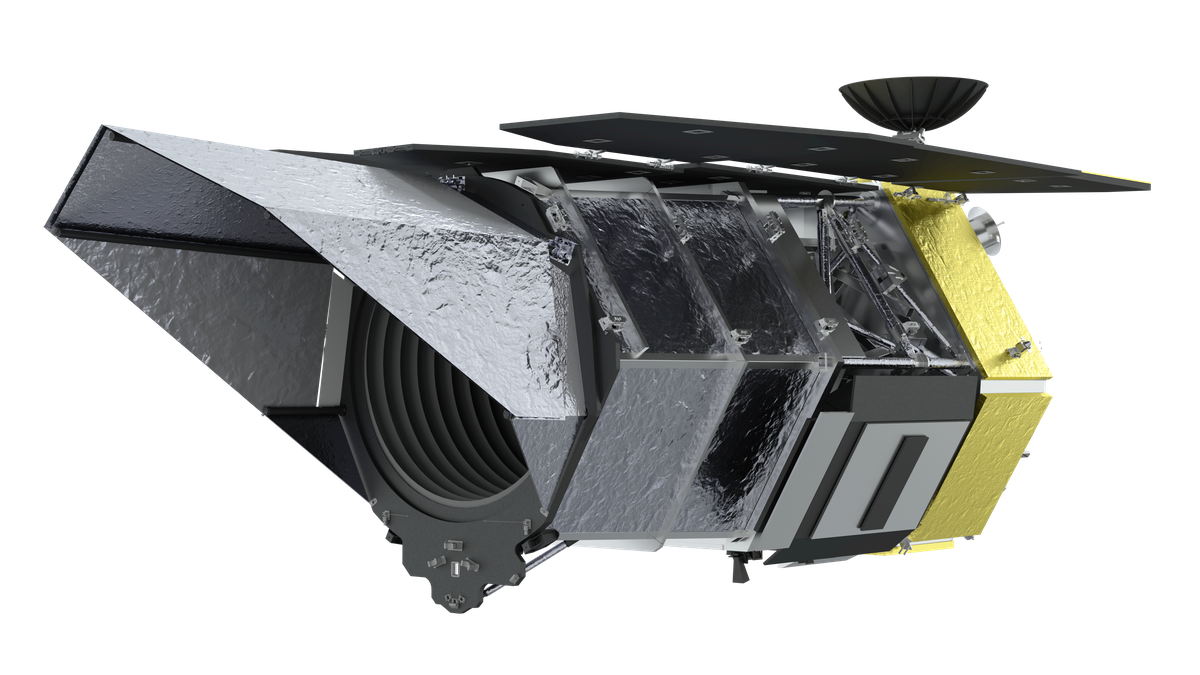
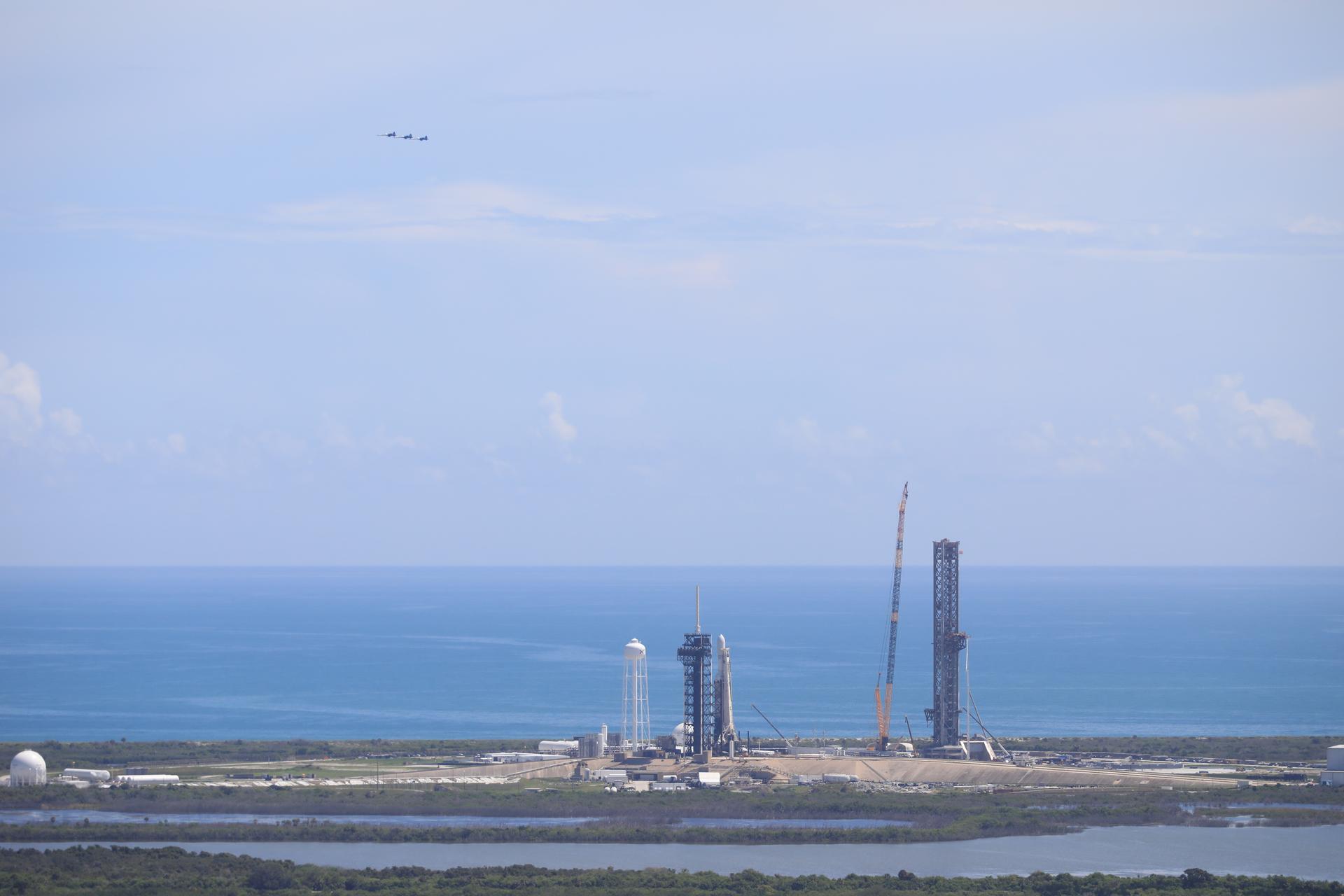
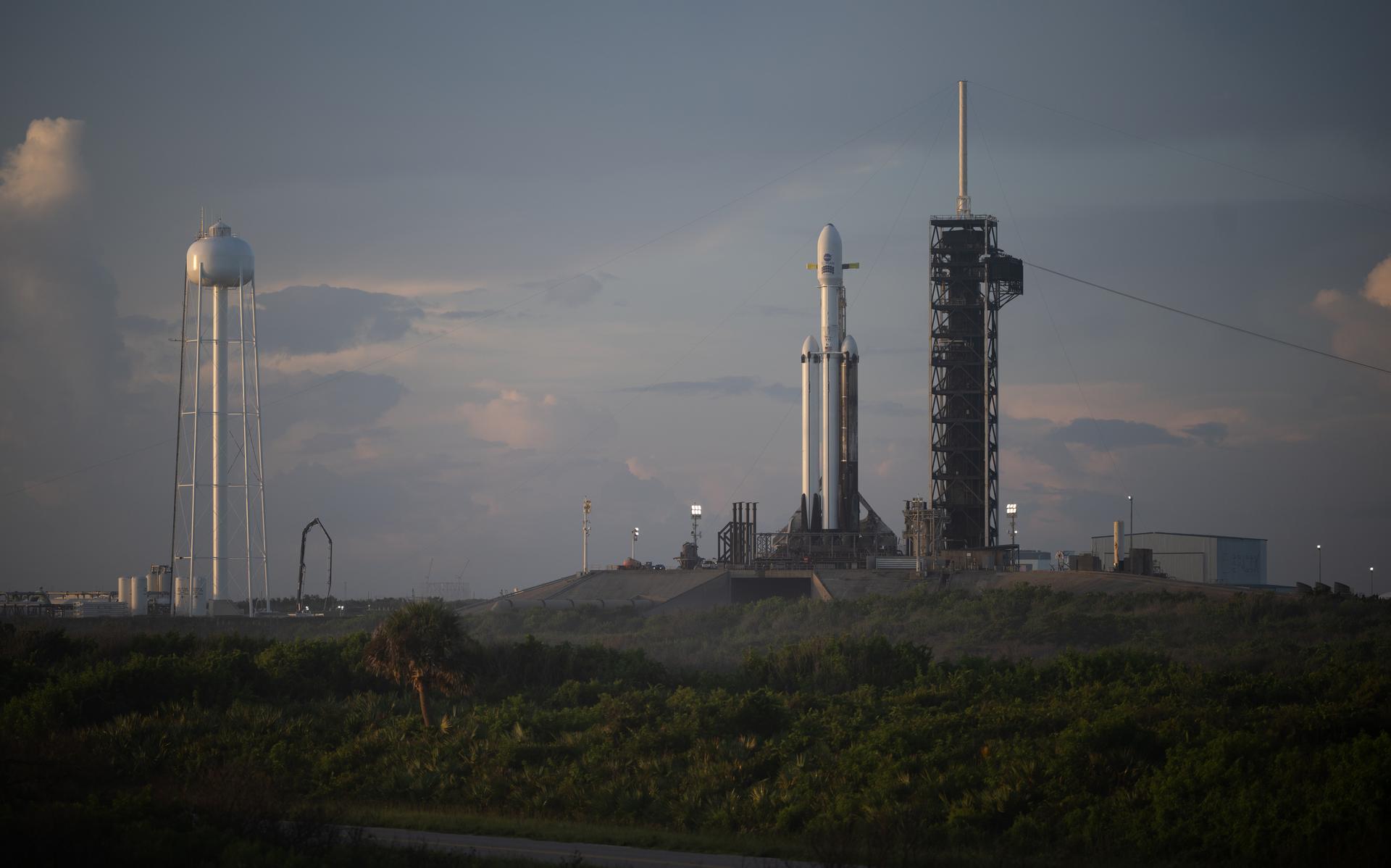
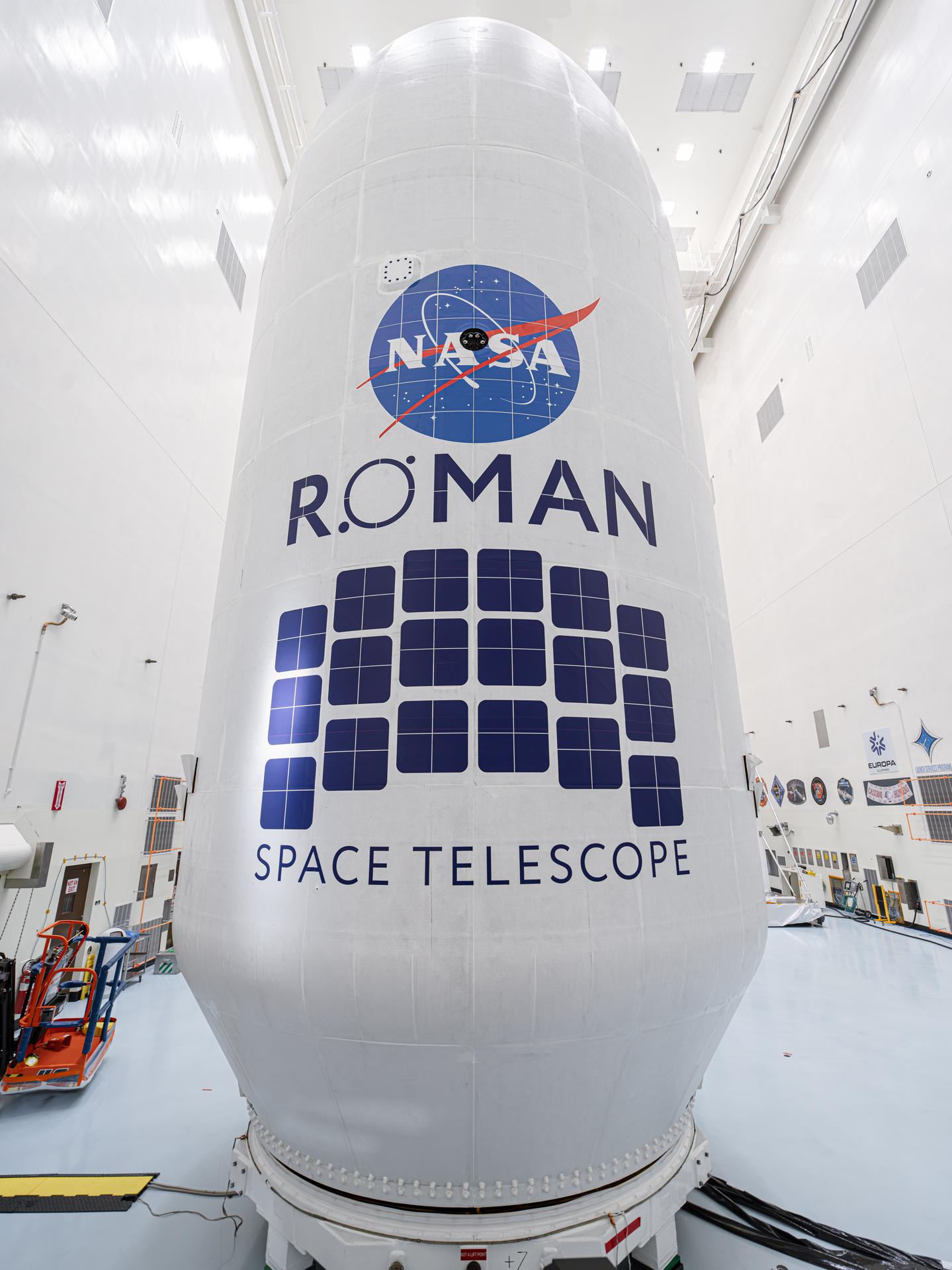
The Nancy Grace Roman Space Telescope is an upcoming NASA observatory with a projected cost of $4 billion. Originally scheduled for a Sunday launch from the Kennedy Space Center in Florida, it will be transported into orbit by a SpaceX Falcon Heavy rocket. Named after the late Nancy Grace Roman, who served as NASA's first chief astronomer, the telescope aims to build upon discoveries made by its predecessors, the Hubble Space Telescope and the James Webb Space Telescope.
Roman's main mission will involve a survey lasting over a year, during which it will observe more than two billion galaxies. This endeavor will enable scientists to study the growth and evolution of cosmic structures such as stars, galaxies, and galaxy clusters, as well as measure the universe's expansion over time. Once deployed, the telescope will move to a position known as Lagrange point 2, situated approximately 1.6 million kilometers away from Earth.
Interestingly, while U.S. President Donald Trump attempted to cut or eliminate funding for Roman during both his terms in office, Congress successfully preserved the project. Despite these challenges, the Nancy Grace Roman Space Telescope stands as a testament to the enduring pursuit of knowledge about our universe's most profound mysteries, including dark energy, dark matter, and the investigation of planets beyond our solar system.
Written by urgent.news from The Hindu - Sci-Tech's reporting — not their text. Machine-written — may contain errors; check the original before relying on it.
This story
This is one outlet's version. Read the fullest account.
- SpaceX Launching NASA's Roman Space Telescope to Explore Dark Energy and Habitable Planets science.slashdot.org
- NASA’s Roman Space Telescope: Falcon Heavy Passes Max Q science.nasa.gov
- NASA’s Nancy Grace Roman Telescope Promises a Breakthrough in Cosmic Exploration nytimes.com
- The Nancy Grace Roman Space Telescope Will Now Travel Almost One Million Miles to Reveal Mysteries of the Universe discovermagazine.com
- NASA’s Nancy Grace Roman Space Telescope Has a Hidden Technological Leap wired.com
- Nancy Grace Roman Space Telescope Launches this Sunday npr.org
- Nasa Roman Space Telescope launch today: Time, mission and key details indianexpress.com