El Niño Has Become a Doom Loop
Die-offs and floods have started already, a prelude to supercharged storms and droughts.
In the vast expanse of the Pacific Ocean, a rectangular area two-thirds the size of China, known as Niño 3.4, is closely monitored by satellites and buoys for temperature changes. When water temperature rises by half a degree Celsius above normal for several months, scientists label it an El Niño phase. This warming can trigger a cascade of disasters worldwide, including floods, fires, drought, and famine.
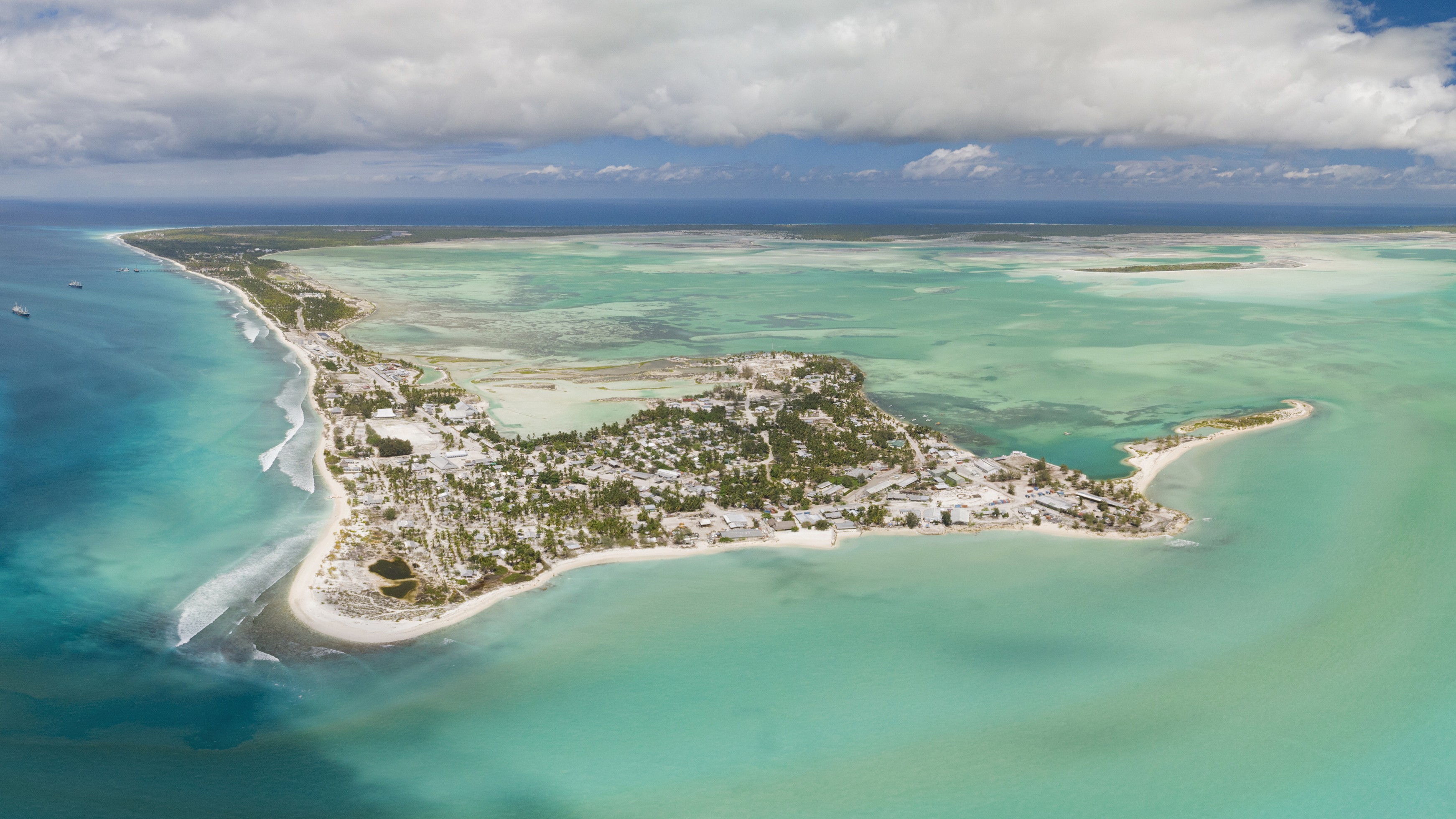
The current El Niño, the strongest ever recorded, has already caused 3-4 degrees Celsius of warming in the waters around Kiritimati, a coral reef island in the middle of the Pacific. Here, nearly half of the remaining corals have already bleached, setting the stage for potential death. El Niños bring excessive rainfall and landslides to some regions, while others face deadly dry spells that can last months.
Along the Pacific Coast of South America, torrential rains have forced the closure of a major route to Machu Picchu and caused deadly floods in northern Chile. In the United States, strong El Niños can mean record-breaking heat, and this one is projected to peak at twice the intensity of any seen in the past eight decades. Scientists are concerned that as the ocean continues to warm, El Niño cycles are becoming more frequent and intense.
The global average sea-surface temperature reached an all-time high of 21.1 degrees Celsius (70 degrees Fahrenheit) last week, highlighting the alarming trend. The warming is causing massive disruptions to marine life and ecosystems, with some seabird populations collapsing due to the loss of their food sources.
Written by urgent.news from The Atlantic's reporting — not their text. Machine-written — may contain errors; check the original before relying on it.