The Nancy Grace Roman Space Telescope launches to study dark matter and dark energy
After funding struggles and a name change, the Nancy Grace Roman Space Telescope has been successfully launched. It will now make a three-month, one-million-mile journey to its orbit at the second Sun-Earth Lagrange point (L2) beyond the Moon. From this vantage point, Roman will conduct an unprecedented survey of the universe. Its field of view […]
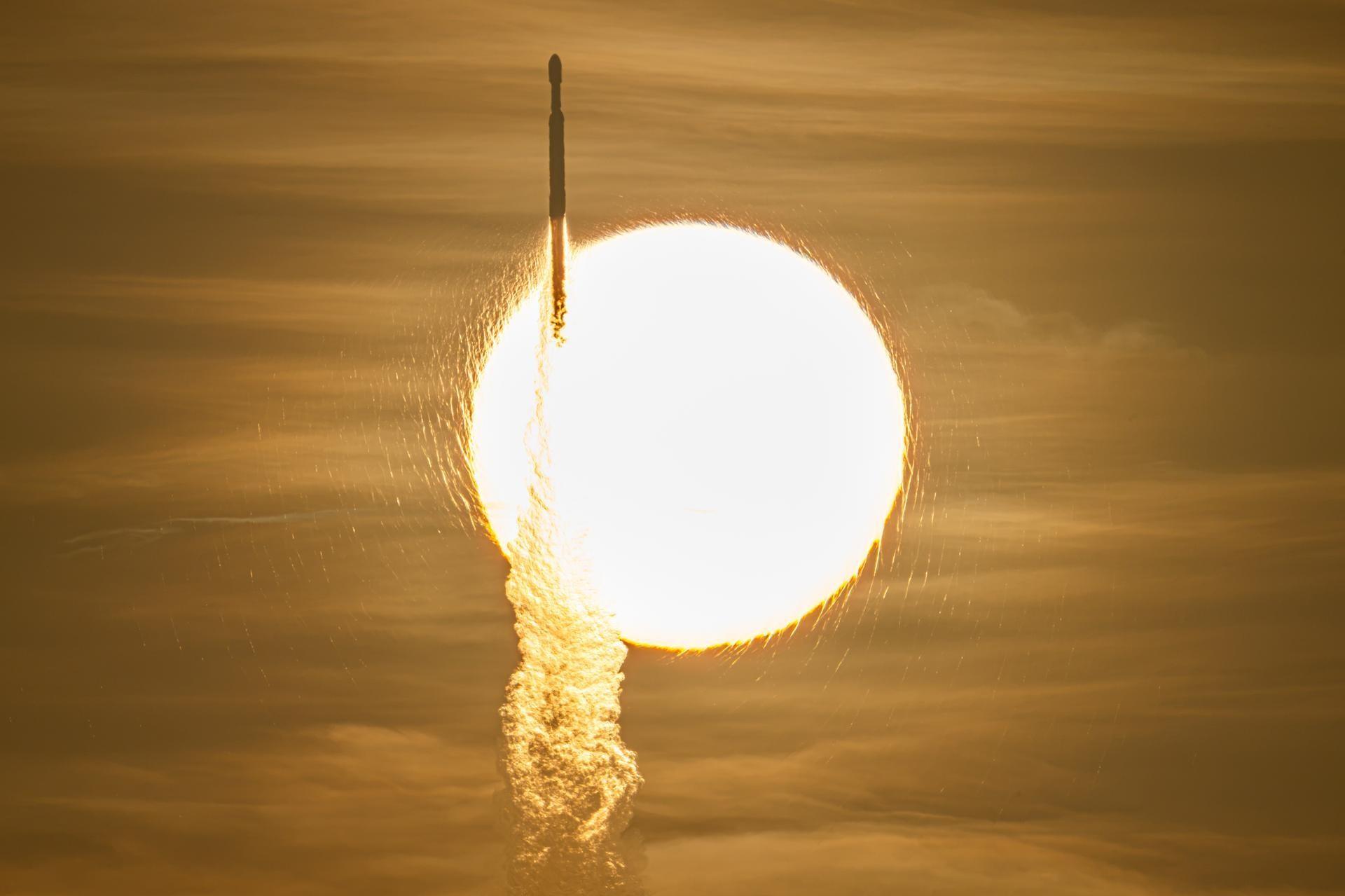
NASA’s Nancy Grace Roman Space Telescope has successfully launched, marking a significant step in the mission to study dark matter and dark energy. After overcoming funding challenges and undergoing a name change, the telescope is now on its way to the second Sun-Earth Lagrange point (L2) for a three-month journey before reaching its operational orbit.
Upon arrival, Roman will conduct an unprecedented survey of the universe, boasting a field of view 100 times larger than that of the Hubble Space Telescope and capable of surveying the sky 1,000 times faster using its 300-megapixel infrared camera. The telescope also features a Coronagraph system designed to block starlight, enabling direct imaging of exoplanets, including smaller, older, and colder worlds.
Brief written by urgent.news from The Verge's own syndicated text. Machine-written — may contain errors; check the original before relying on it.
This story
This is one outlet's version. Read the fullest account.
- NASA launches astronomical wide-angle lens into space – what will the Nancy Grace Roman Telescope capture, and how does it differ from James Webb and Hubble? digitalcameraworld.com
- Nancy Grace Roman Space Telescope: What to know about NASA’s new space observatory hindustantimes.com
- Who Was Nancy Grace Roman? Namesake of New NASA Telescope newsweek.com
- How Nancy Grace Roman, the ‘Mother of Hubble,’ Became the Namesake of NASA’s New Telescope discovermagazine.com