NASA launches astronomical wide-angle lens into space – what will the Nancy Grace Roman Telescope capture, and how does it differ from James Webb and Hubble?
The observatory will have a field of view at least 100 times larger than Hubble’s, acting as a wide-angle lens snapping vast swaths of the night sky, to help unravel mysteries of dark energy and exoplanets
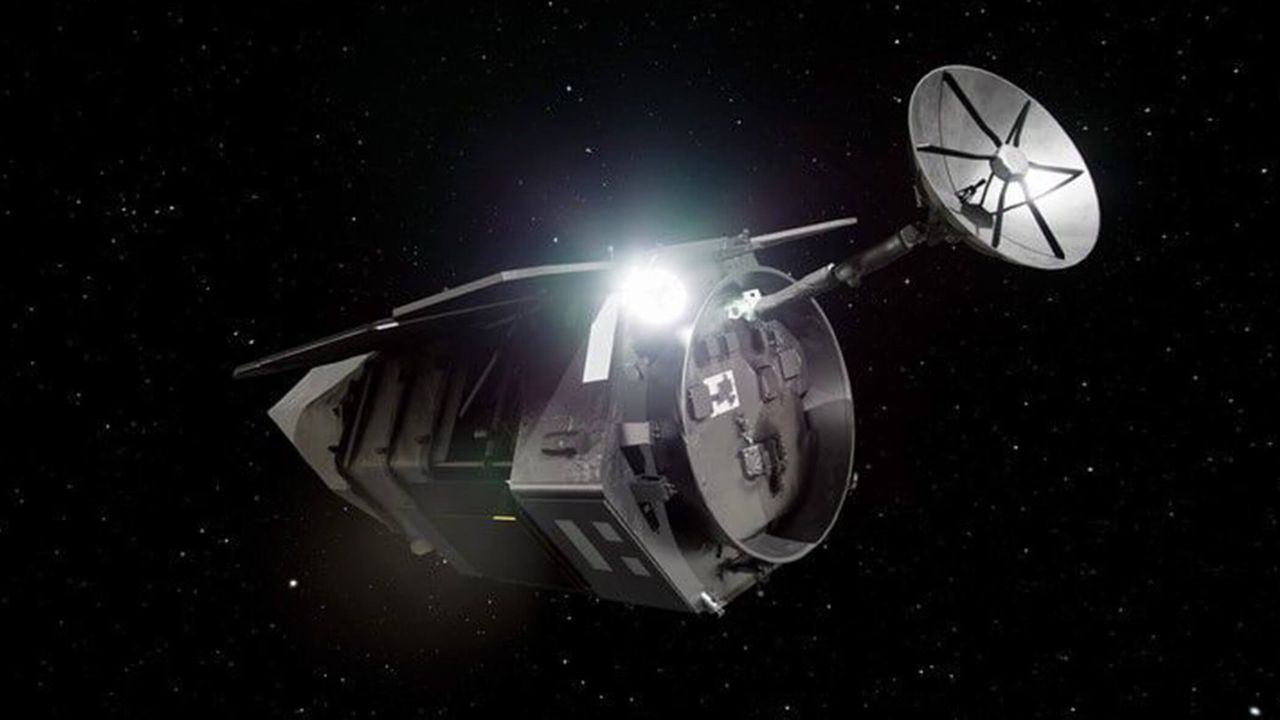
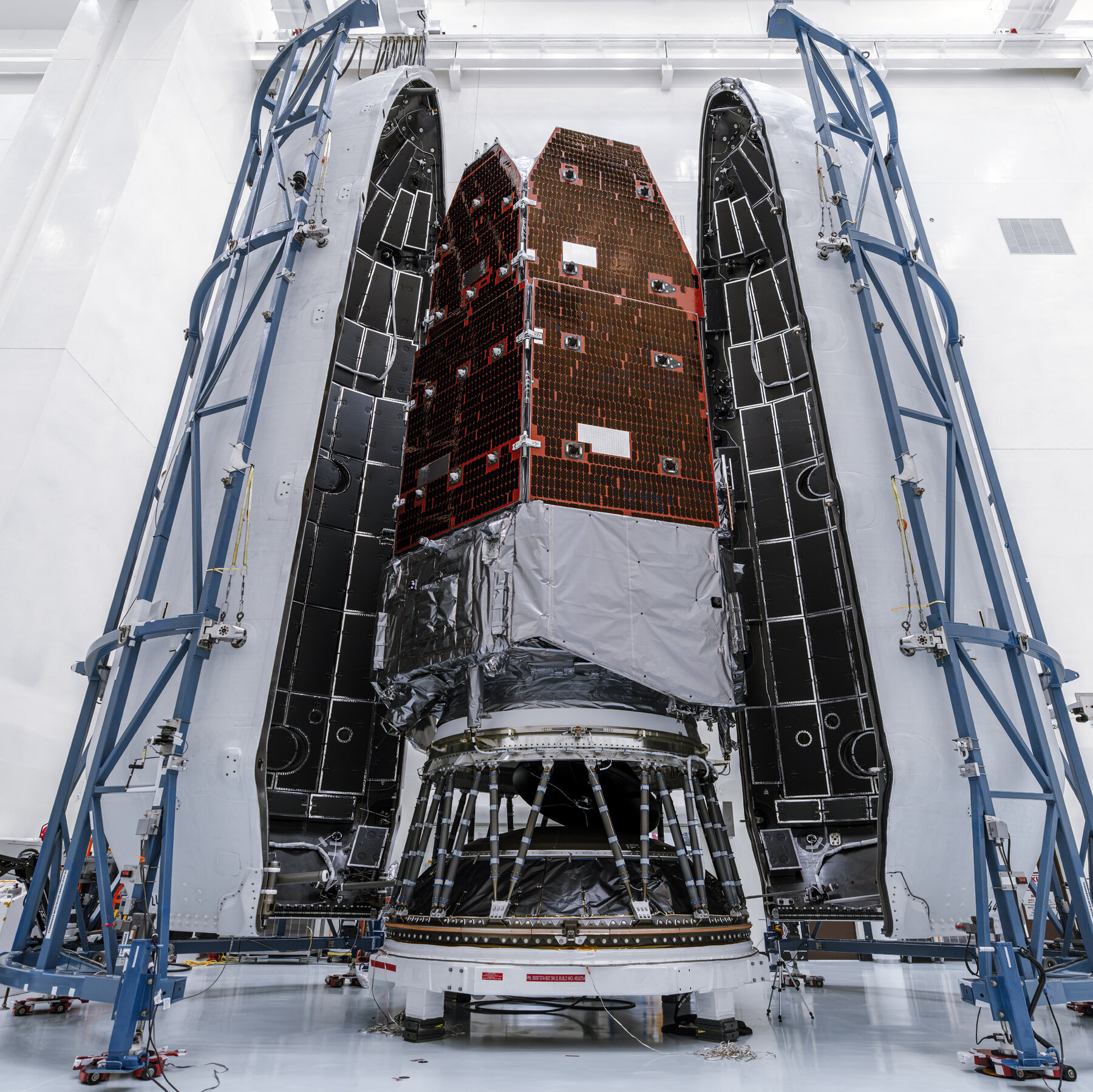
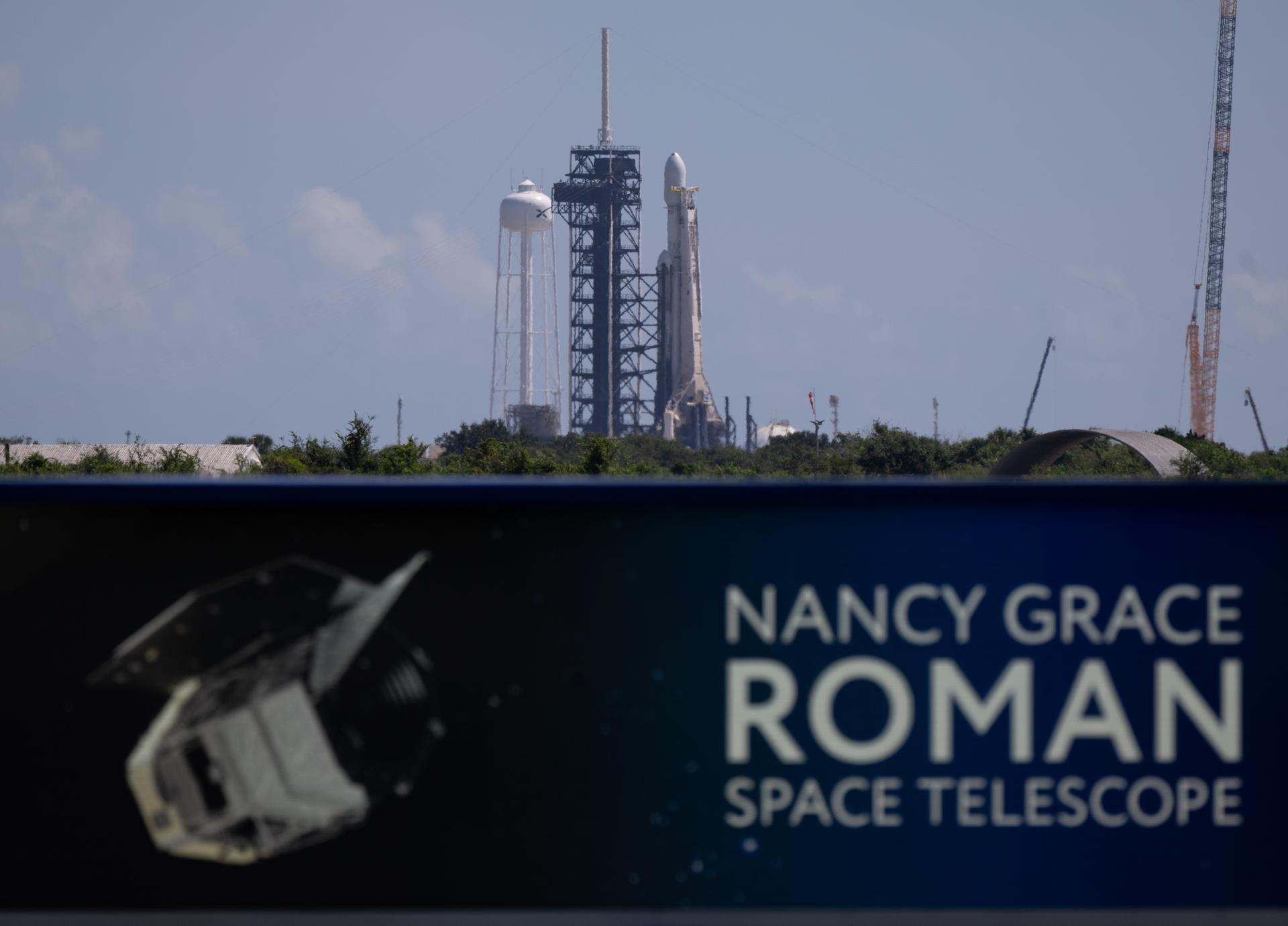
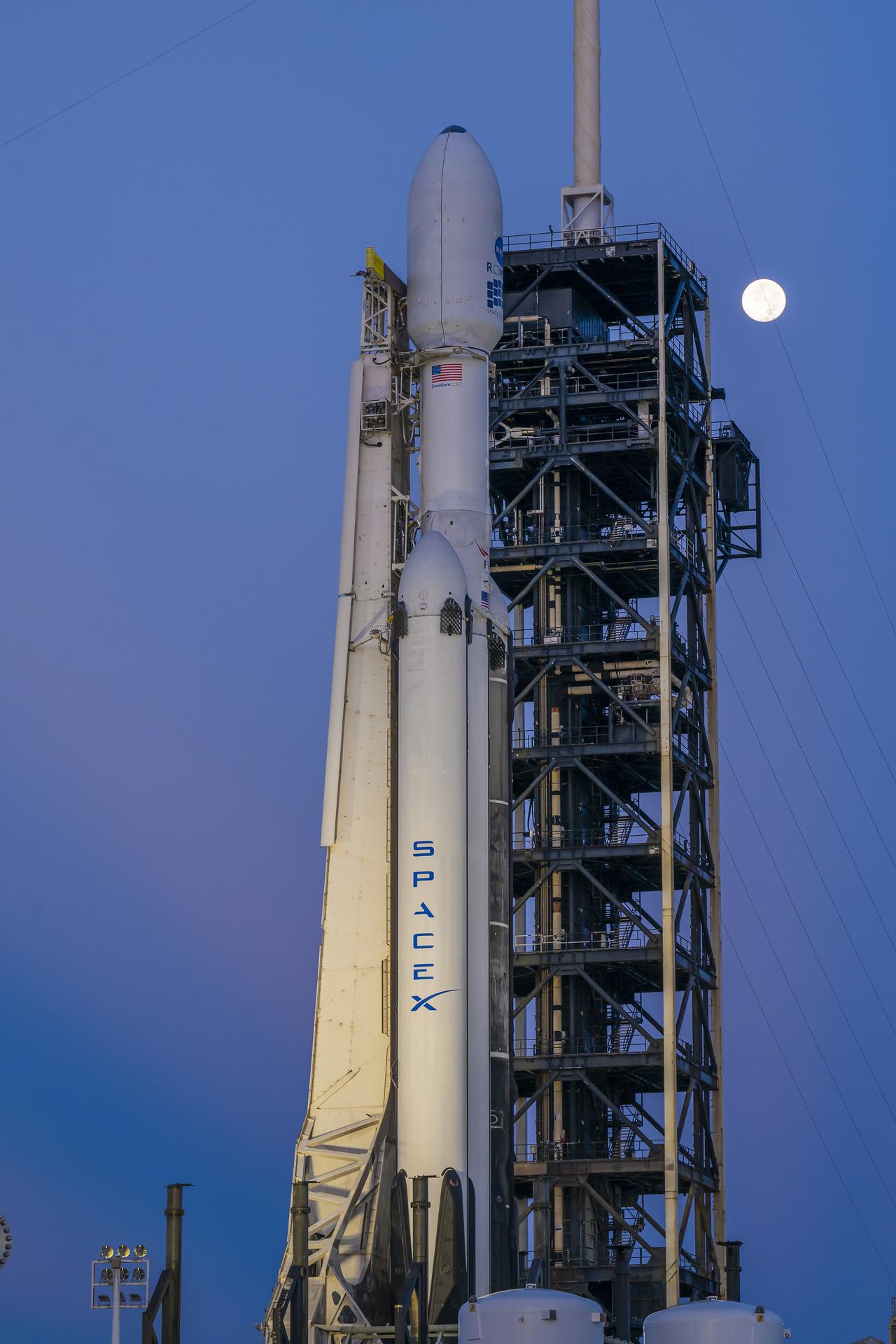
NASA has successfully launched the Nancy Grace Roman Space Telescope (Roman), a new astronomical imaging device designed to probe the cosmos in unprecedented ways. The Roman telescope, which launched nine months ahead of schedule from the Kennedy Space Center in Florida aboard a SpaceX Falcon Heavy rocket, is set to travel to the second Sun-Earth Lagrange point (L2), roughly one million miles from Earth. There, it will settle into orbit and begin beaming back data to scientists.
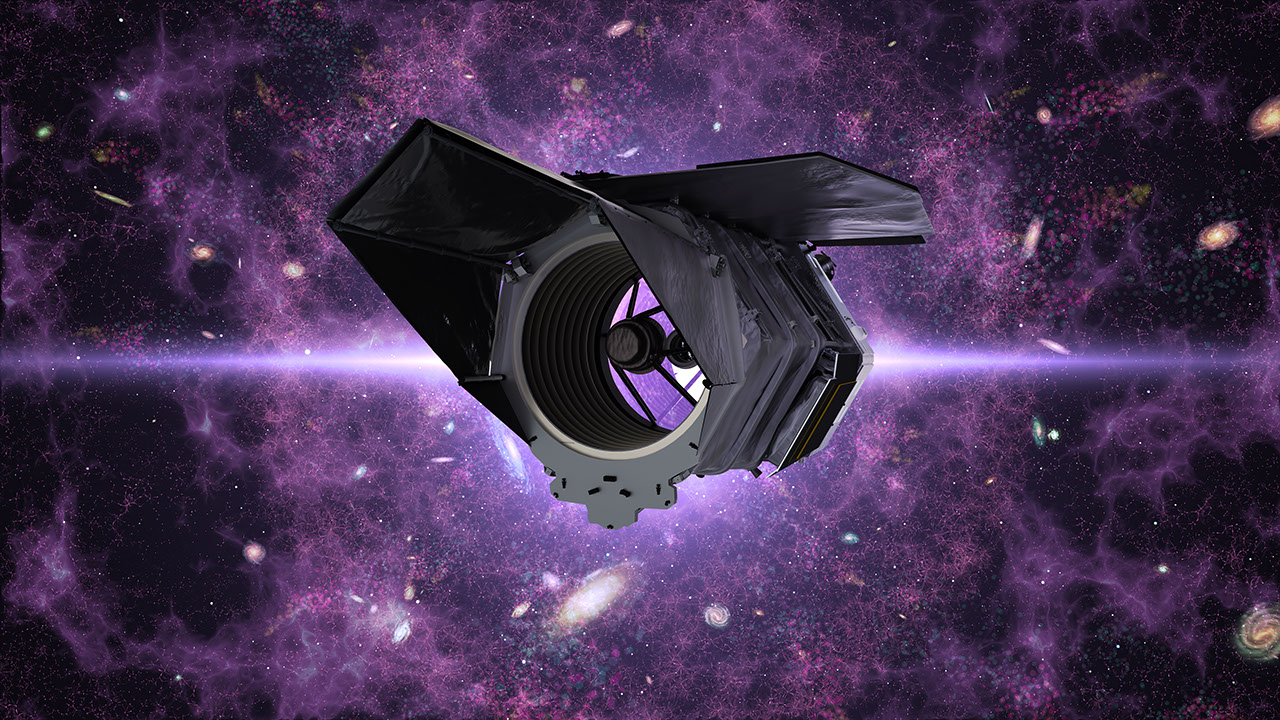
Unlike its predecessors, the Hubble and James Webb space telescopes, Roman functions as a wide-angle lens, capturing vast panoramic views of the cosmos. Its Wide Field Instrument (WFI) features a 288-million-pixel near-infrared camera with 18 detectors, enabling the telescope to photograph and measure light from over one billion galaxies and map roughly 20 billion stars within the Milky Way during its ten-year mission.
The WFI boasts a 0.8-by-0.4-degree field of view – an image size roughly equivalent to the Moon's appearance to the human eye. This is a field 50 times larger than Webb's and 100 times greater than Hubble's. To ensure a comprehensive view of the universe, Roman's WFI will guide Hubble and Webb to specific targets for closer scrutiny in ultraviolet, visible, and mid-infrared light.
While Roman's primary five-year mission is set to conclude once its hydrazine fuel is exhausted, the telescope can potentially extend its operational life to ten years. NASA has designed Roman to be refuelable, although currently lacks the capability to service observatories located at the challenging distance of L2. As Roman embarks on its galactic exploration, the space agency awaits the breathtaking galactic panoramas the telescope will produce.
Written by urgent.news from Digital Camera World's reporting — not their text. Machine-written — may contain errors; check the original before relying on it.
This story
This is one outlet's version. Read the fullest account.
- The Nancy Grace Roman Space Telescope launches to study dark matter and dark energy theverge.com
- Nancy Grace Roman Space Telescope: What to know about NASA’s new space observatory hindustantimes.com
- Who Was Nancy Grace Roman? Namesake of New NASA Telescope newsweek.com
- How Nancy Grace Roman, the ‘Mother of Hubble,’ Became the Namesake of NASA’s New Telescope discovermagazine.com