TOI impact story: IISc eco-friendly foam moves from lab to market
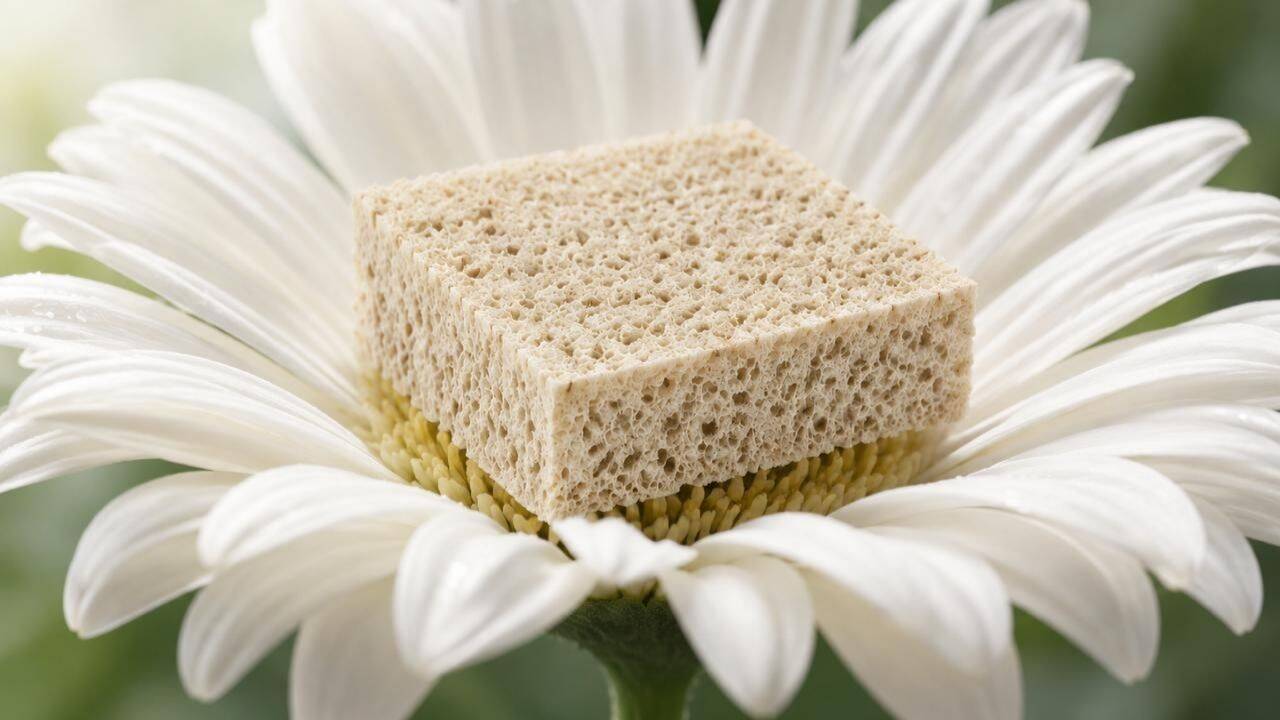
BENGALURU: Researchers at the Indian Institute of Science (IISc) have developed an eco-friendly bio-based foam that is now transitioning from the laboratory to commercialization, with Absolute Cold LLP taking the lead in its application in cold-chain and temperature-controlled packaging. Prof Suryasarathi Bose and Prof Subodh Kumar, along with their team, created an alternative to the conventional polyurethane (PU) foam that is widely used for insulation but is hard to recycle post-use.
The IISc material aims to combine insulation properties with a more sustainable approach towards the end-of-life of the material.
The journey from laboratory to industry was aided by a report published by The Times of India (TOI) on November 11, 2024, which helped bring a potential industry partner on board. Absolute Cold director noted that the TOI article introduced a potential licensee and facilitated the technology's move towards the market. The original IISc work involved using epoxidised fatty acids from non-edible oils and polyphenol-based materials derived from tea leaves, along with a chemical structure that allows the material to be reprocessed.
Absolute Cold, a company operating in the cold-chain and temperature-controlled logistics sector, is now working towards adapting the laboratory material into a product suitable for applications where maintaining temperature during storage and transport is crucial. Such applications may include packaging used to transport pharmaceuticals and other temperature-sensitive products. The environmental impact of the packaging after use is becoming an increasingly important consideration as well.
This move marks the latest step in Bose's broader work on sustainable polymeric materials. His research has focused on finding ways to reuse or upcycle plastics that are typically challenging to recycle, aiming to keep materials in use for longer periods rather than disposing of them in waste. For IISc, the progress of the foam also highlights the less visible aspect of academic innovation: transforming a laboratory-developed material into a commercially viable product that industry can manufacture and consumers can utilize.
The licensing and scale-up process may require modifications to the formulation, manufacturing process, and product design even after the research has been demonstrated.
The next challenge for the foam is determining whether it can be produced at commercial scale while maintaining the insulation, strength, and durability it demonstrated during development. The material's performance in real-world cold-chain applications will ultimately determine if the IISc innovation can become a practical alternative to conventional foams. The commercial journey of a material conceived around the problem of what happens to foam after its useful life is as important as the initial laboratory breakthrough.
Written by urgent.news from Times of India's reporting — not their text. Machine-written — may contain errors; check the original before relying on it.