NASA’s Nancy Grace Roman Telescope launches to space
The Nancy Grace Roman Telescope will probe dark matter and dark energy, discover exoplanets and study stars
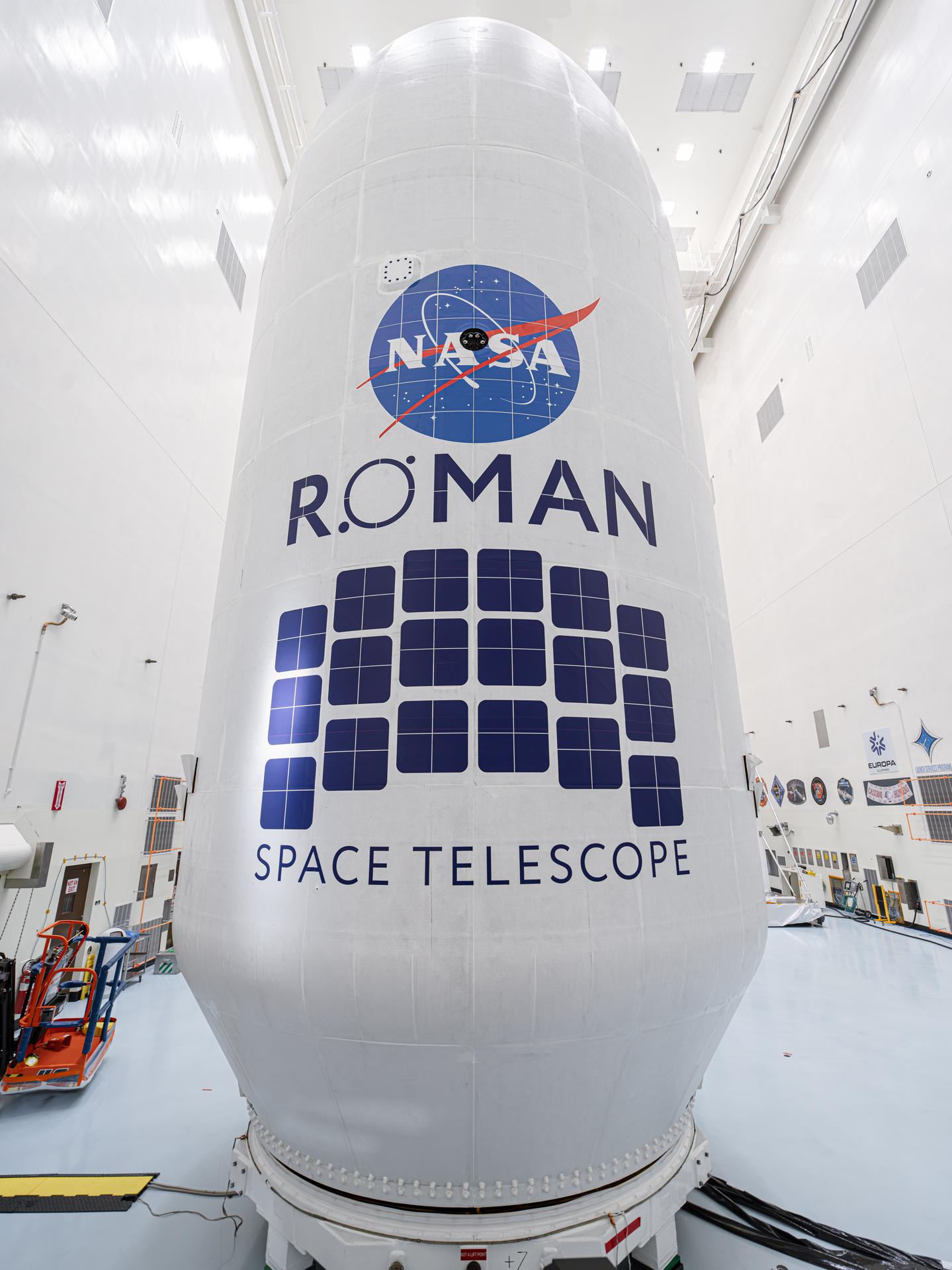
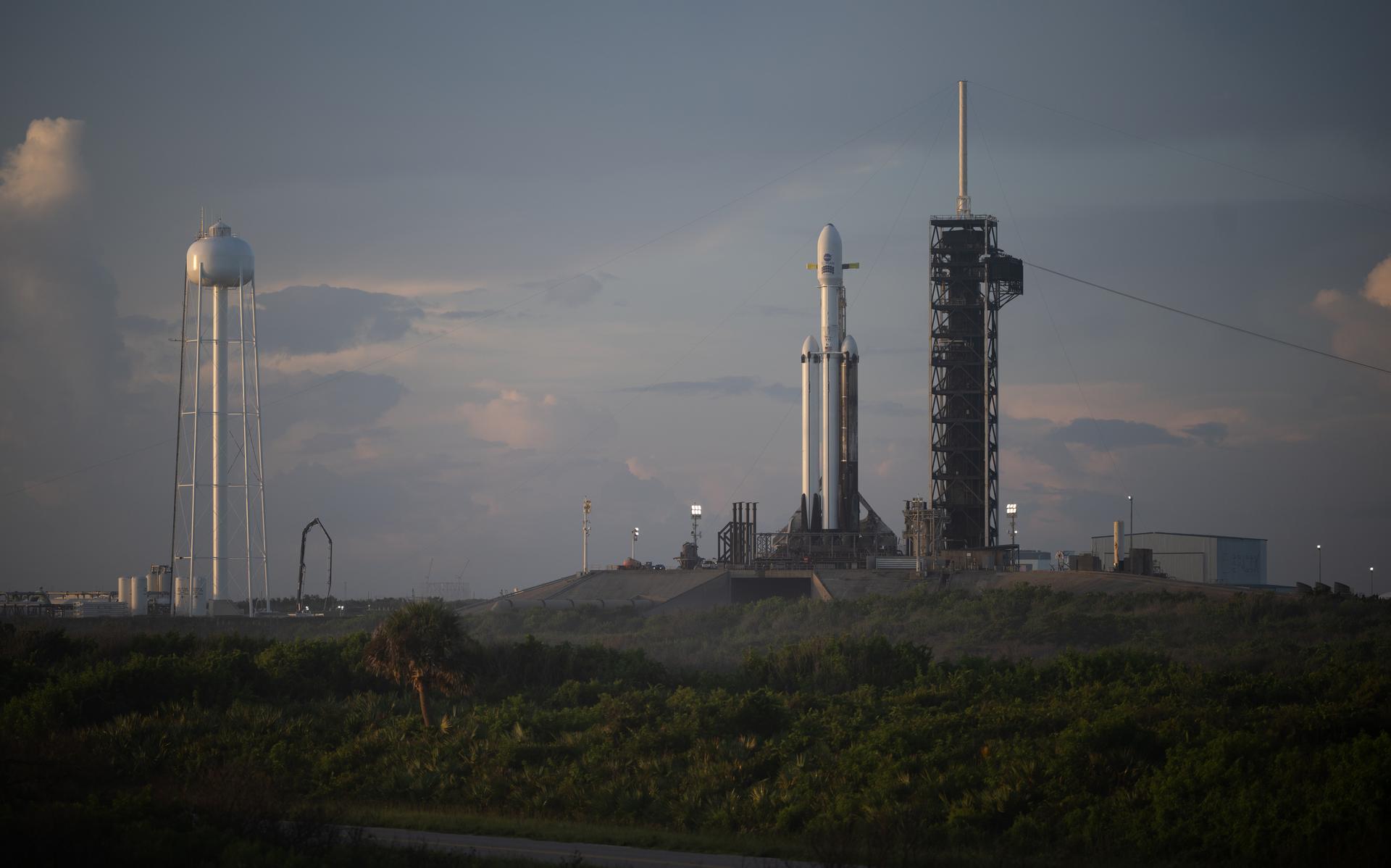
NASA's Roman Telescope embarked on a journey to space on Sunday, August 30, aboard a SpaceX Falcon Heavy rocket. The telescope, the latest addition to NASA's fleet, is set to explore the universe's deepest mysteries, including dark matter and dark energy, exoplanets, and stars. Positioned at the second sun-Earth Lagrange point, or L2, approximately a million miles from Earth, Roman will maintain constant contact with Earth while ensuring no obstruction from our planet to its celestial view.
Julie McEnery, Roman's senior project scientist, expressed excitement about the telescope's potential to revolutionize our understanding of the cosmos. The telescope's primary mission will span five years, during which it will conduct unprecedented surveys of planets orbiting other stars and potentially challenge our current model of the universe.
One of the most significant aspects of the Roman Telescope is its ability to observe exoplanets with remarkable precision, thanks to its coronagraph instrument. This tool will allow scientists to detect exoplanets that emit light up to 100 million times dimmer than their host stars. However, the first data from the telescope is expected to be released as early as late November following a series of commissioning operations post-landing at L2.
Written by urgent.news from Scientific American's reporting — not their text. Machine-written — may contain errors; check the original before relying on it.
This story
This is one outlet's version. Read the fullest account.
- Will new telescope Roman help reveal long-kept secrets of the universe? Q&A with an expert phys.org
- NASA is preparing to launch the Nancy Grace Roman Space Telescope. Here's what to know pbs.org
- NASA’s Roman telescope will see 100 times more sky than Hubble sciencedaily.com
- NASA launches powerful Roman Space Telescope, a spy satellite turned to the stars dailymaverick.co.za
- Liftoff! NASA's Roman Space Telescope soars to the stars on a SpaceX Falcon Heavy rocket in spectacular launch (video) space.com
- Roman Space Telescope promises 300-megapixel views of the cosmos cbsnews.com
- Roman Space Telescope launch today: Livestream details, when to watch mashable.com
- Top 10 Roman Space Telescope science breakthroughs scientificamerican.com