NASA Roman Space Telescope: Second Stage Fueling at 6:51 a.m. EDT
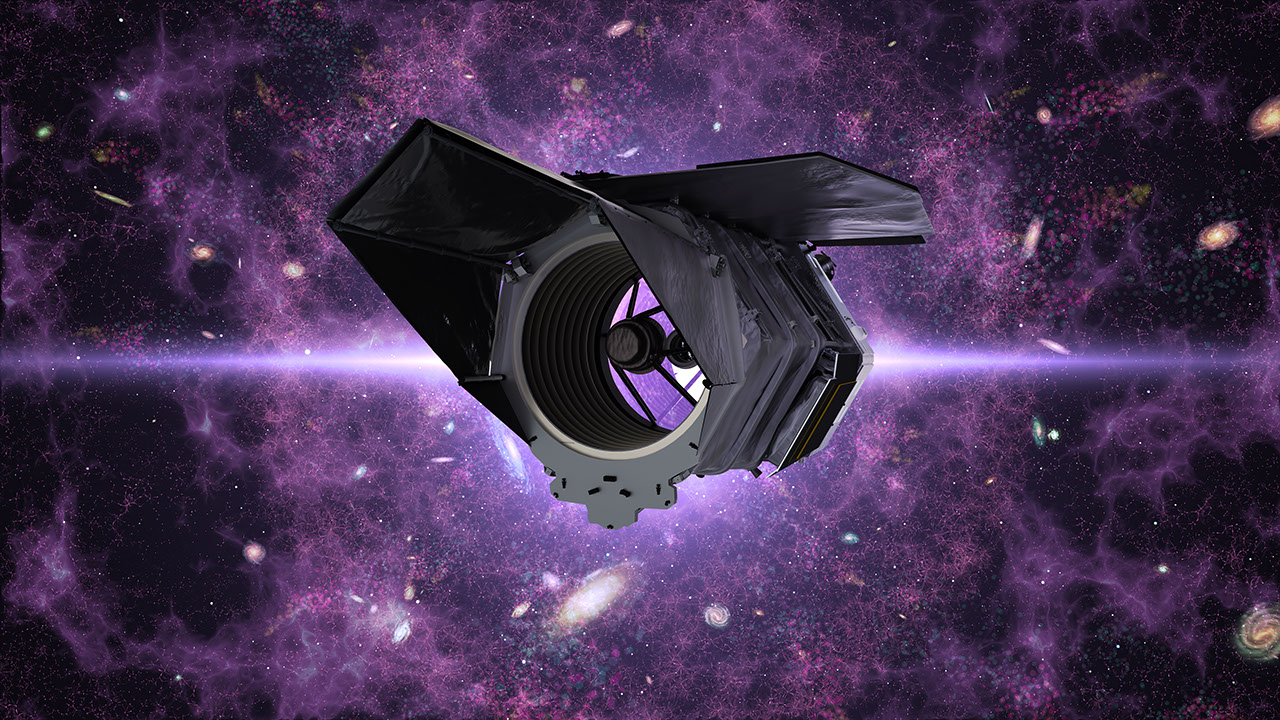
SpaceX has confirmed that second stage fueling is now underway for the Falcon Heavy rocket, carrying NASA’s Nancy Grace Roman Space Telescope spacecraft from NASA’s Kennedy Space Center in Florida. The post NASA Roman Space Telescope: Second Stage Fueling at 6:51 a.m. EDT appeared first on NASA Science .
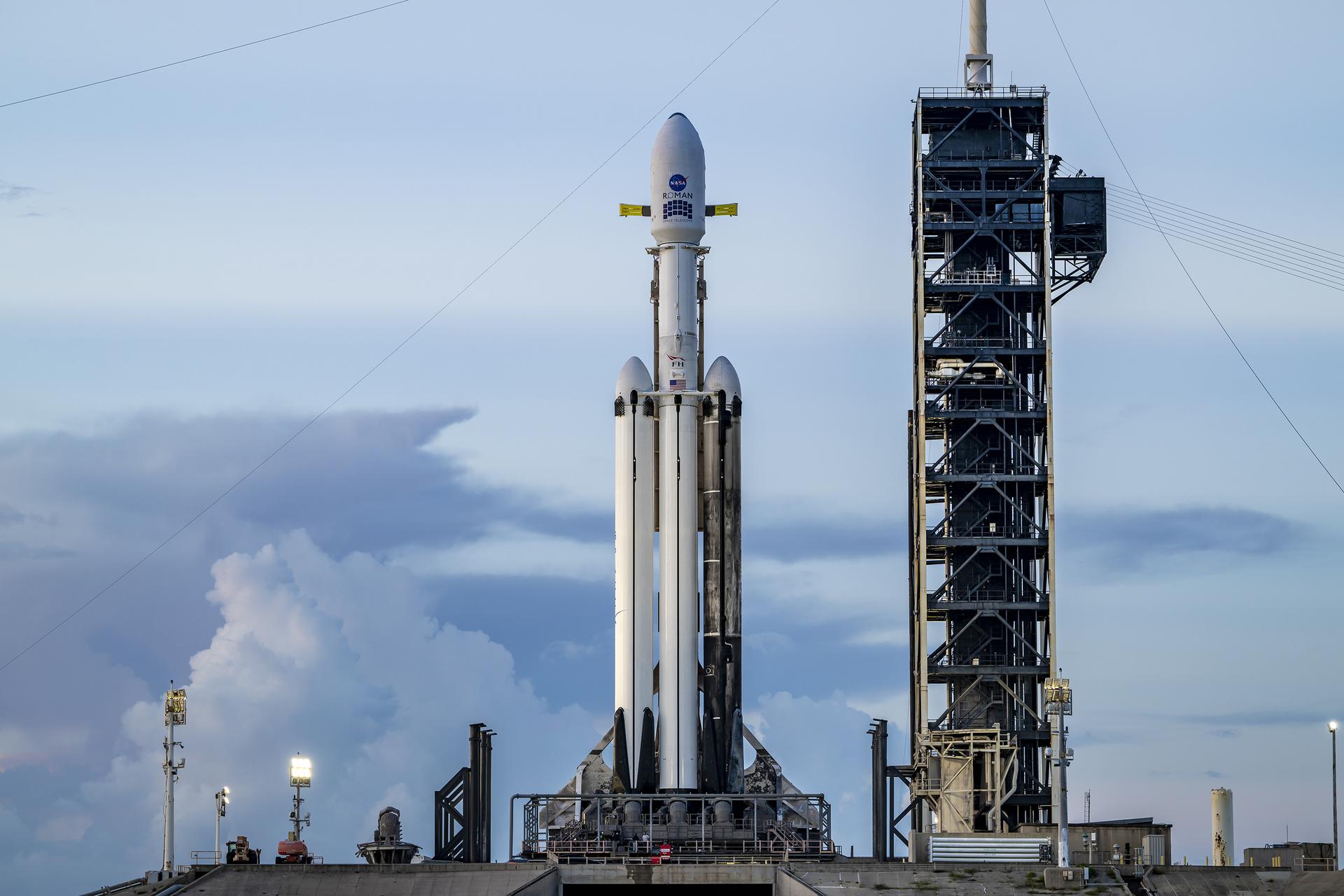
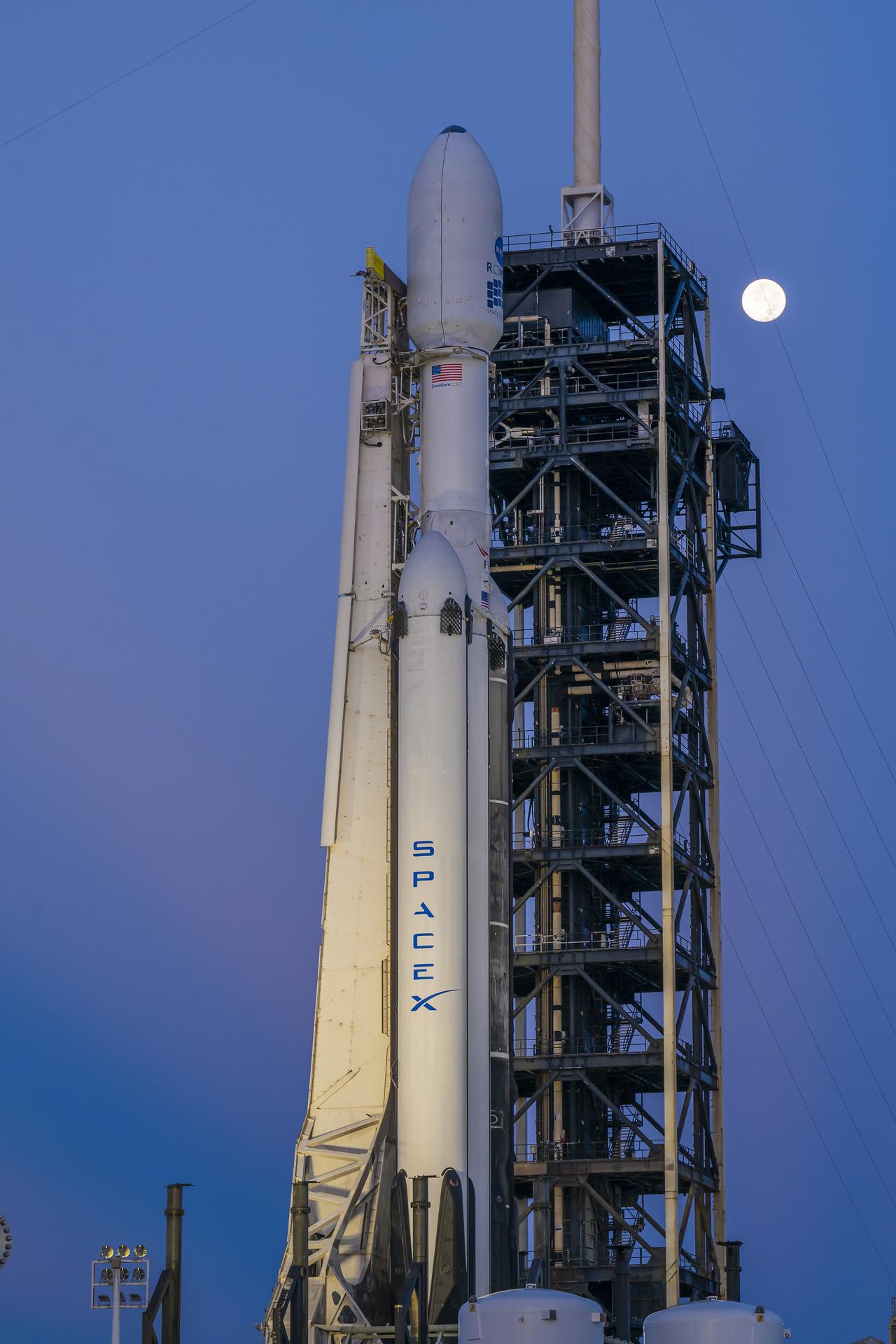
NASA's Nancy Grace Roman Space Telescope, housed within a SpaceX Falcon Heavy rocket's protective fairing, is currently positioned vertically on the launch pad at Complex 39A at NASA's Kennedy Space Center on August 29, 2026. SpaceX has announced that second stage fueling for the Falcon Heavy rocket, which is carrying the Roman Space Telescope, has commenced from NASA's Kennedy Space Center in Florida.
The Falcon Heavy utilizes a similar second stage and payload fairings as the Falcon 9. The rocket's first stage comprises three Falcon 9 derived cores, each boasting nine Merlin engines, which will propel the Roman spacecraft skyward. Following the side boosters and center core's separation, a single Merlin Vacuum engine will further propel Roman toward its intended destination.
The Merlin engines operate using RP-1 and liquid oxygen as propellants in a gas-generator power cycle. Among the two side boosters supporting this mission, one is undertaking its inaugural flight, while the other has already supported two previous missions, GOES-U and Viasat-3 F3. SpaceX intends to recover both side boosters post-launch.
Approximately 17 minutes into the flight, second-stage liquid oxygen loading is slated to commence. Engine chill will initiate seven minutes before liftoff. The launch is currently scheduled for no earlier than 7:26 a.m. EDT from Complex 39A.
Written by urgent.news from NASA Science's reporting — not their text. Machine-written — may contain errors; check the original before relying on it.