NASA’s Roman Space Telescope: First-Stage Liquid Oxygen Loading Begins
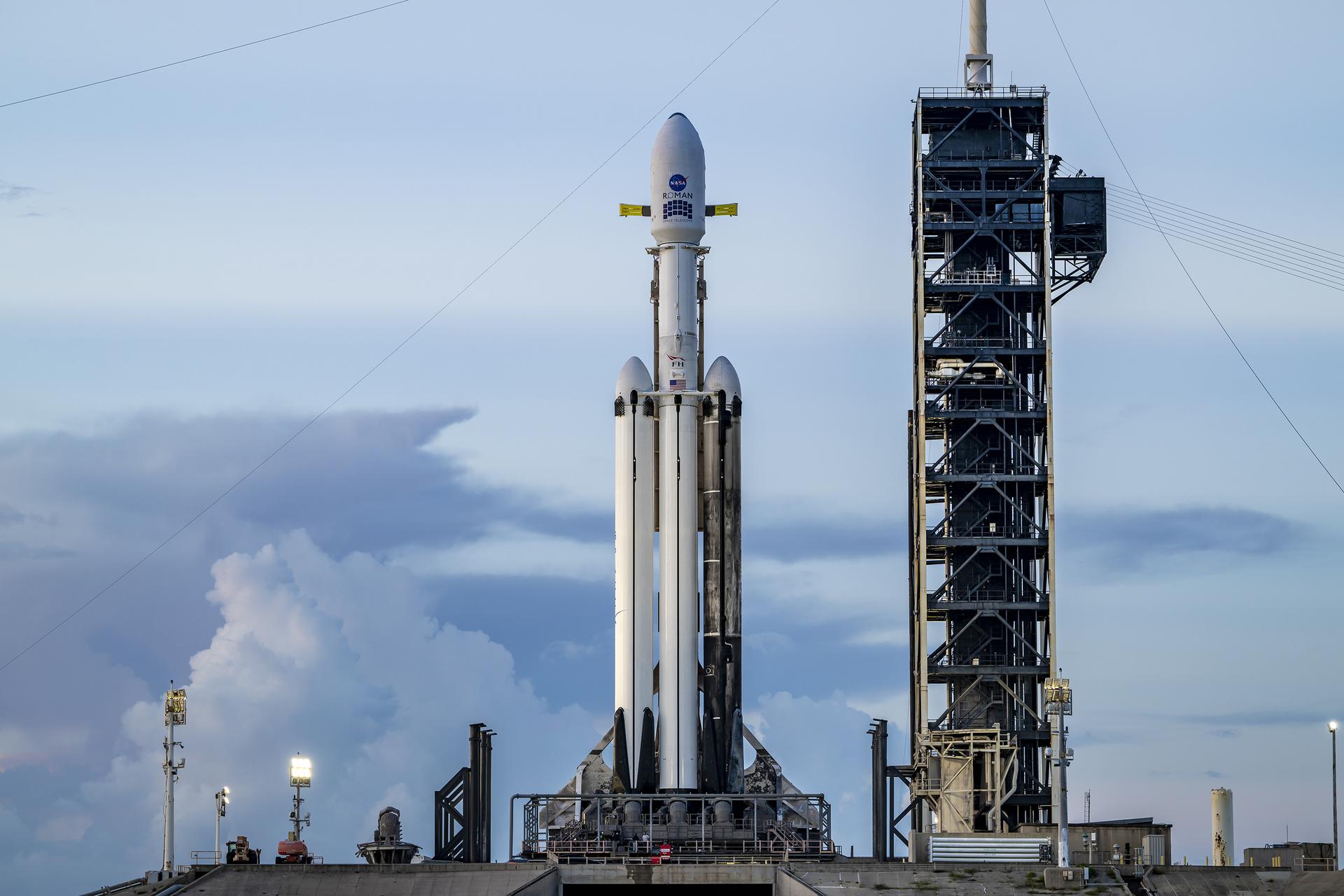
SpaceX confirms that liquid oxygen, or LOX, is now being loaded into Falcon Heavy's three first-stage cores at NASA's Kennedy Space Center in Florida. The post NASA’s Roman Space Telescope: First-Stage Liquid Oxygen Loading Begins appeared first on NASA Science .
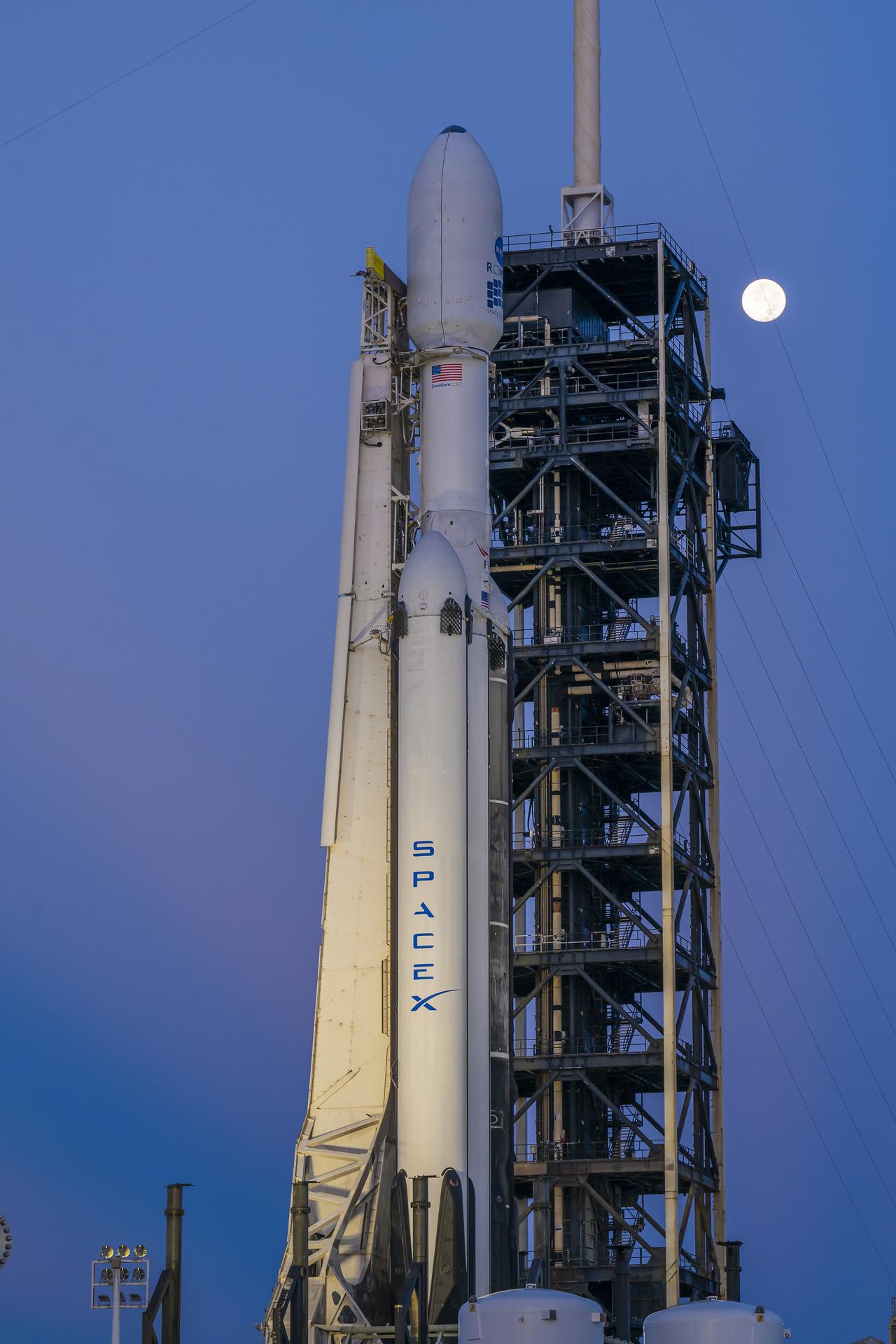
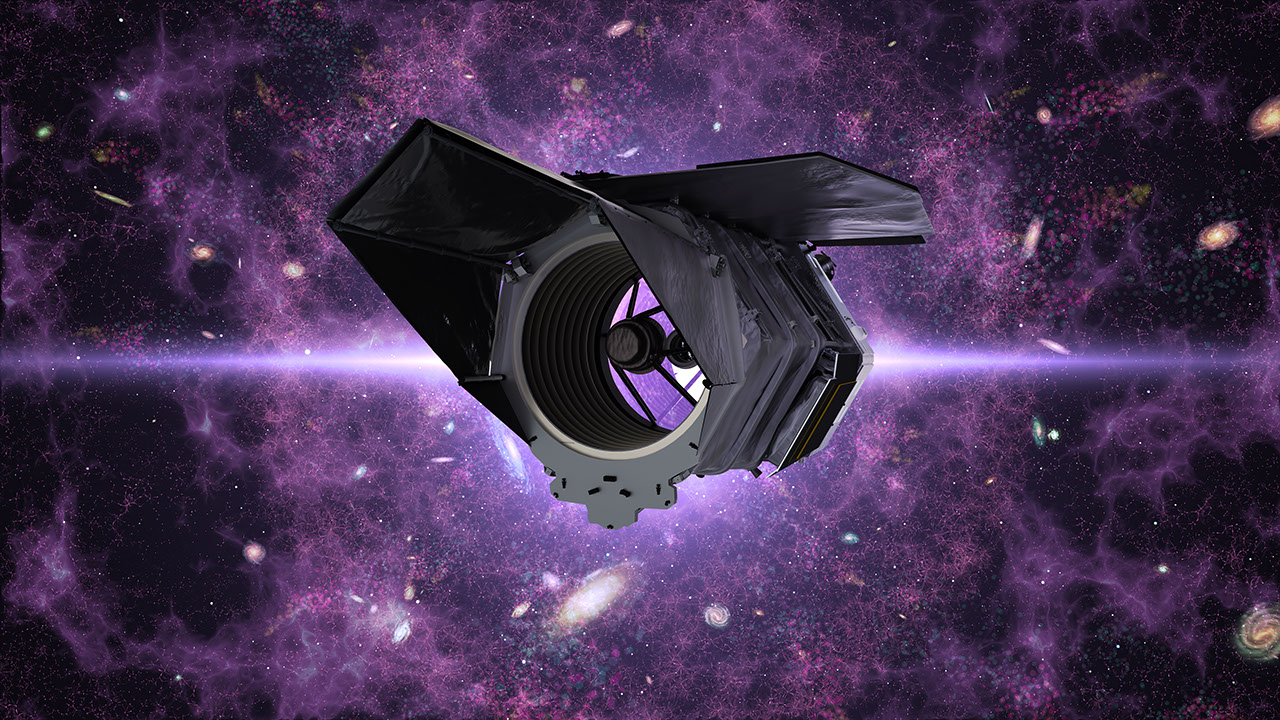
The Nancy Grace Roman Space Telescope, housed within the SpaceX Falcon Heavy rocket’s protective fairing, stands upright on the launch pad at NASA's Kennedy Space Center on August 29, 2026. SpaceX has confirmed that liquid oxygen (LOX) is currently being loaded into the Falcon Heavy's three first-stage cores at the Florida space center.
The Falcon Heavy's engines rely on LOX, a supercold oxidizer, to provide the oxygen required to combust RP-1 fuel. In total, 27 Merlin engines will ignite at the moment of liftoff. The second-stage RP-1 loading is anticipated to commence in roughly 10 minutes. The launch is still slated for 7:26 a.m. EDT. The Wide Field Instrument and Coronagraph Instrument are two crucial science instruments that enable NASA's Roman Space Telescope to investigate dark energy, dark matter, and exoplanets.
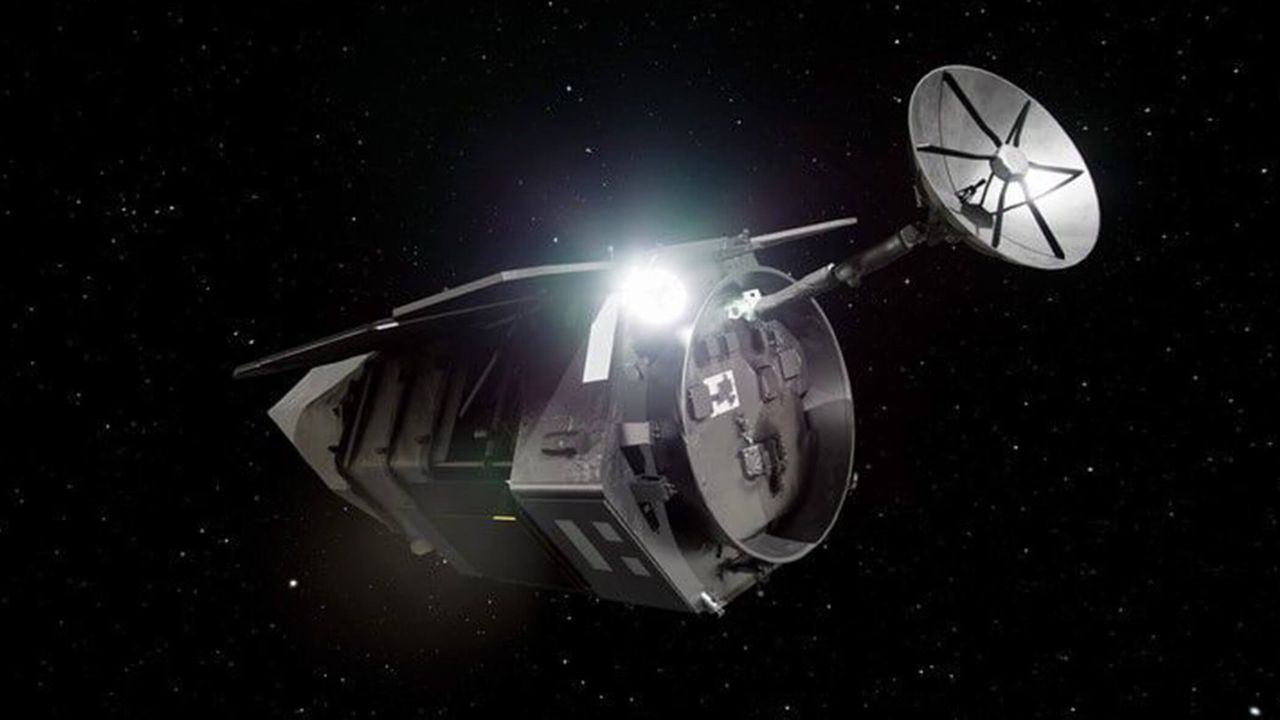
Unlike most telescopes that focus light towards a central point, resulting in a sharpest view in the middle, Roman’s unique optical design allows it to see the most detail in a ring around the center. The detectors of Roman’s Wide Field Instrument are arranged in an arc to align with part of this ring, aiding the telescope in capturing a significantly wider area with equally high-resolution imaging.
Furthermore, both instruments can operate simultaneously, enhancing Roman’s observational capabilities. The Wide Field Instrument is a 300-megapixel infrared camera that provides Roman with a resolution equivalent to that of NASA's Hubble Space Telescope, but over a field of view at least 100 times larger. This allows Roman to capture a patch of sky larger than the size of a full Moon, and the telescope can gather data much faster than Hubble.
With this capability, scientists will be able to conduct research that would typically take hundreds of years using other telescopes.
Written by urgent.news from NASA Science's reporting — not their text. Machine-written — may contain errors; check the original before relying on it.