NASA launches its Roman Space Telescope to explore the hidden universe
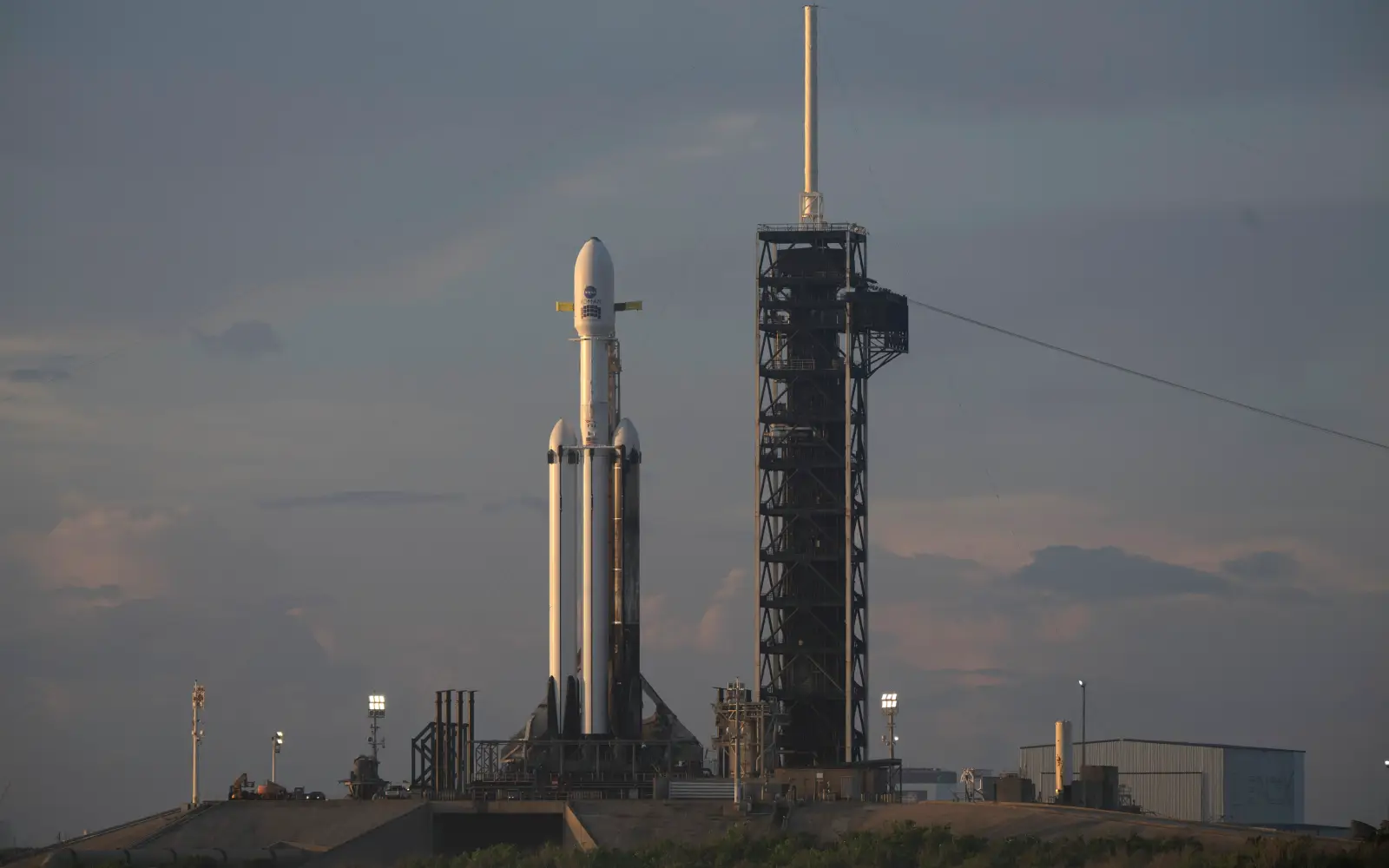
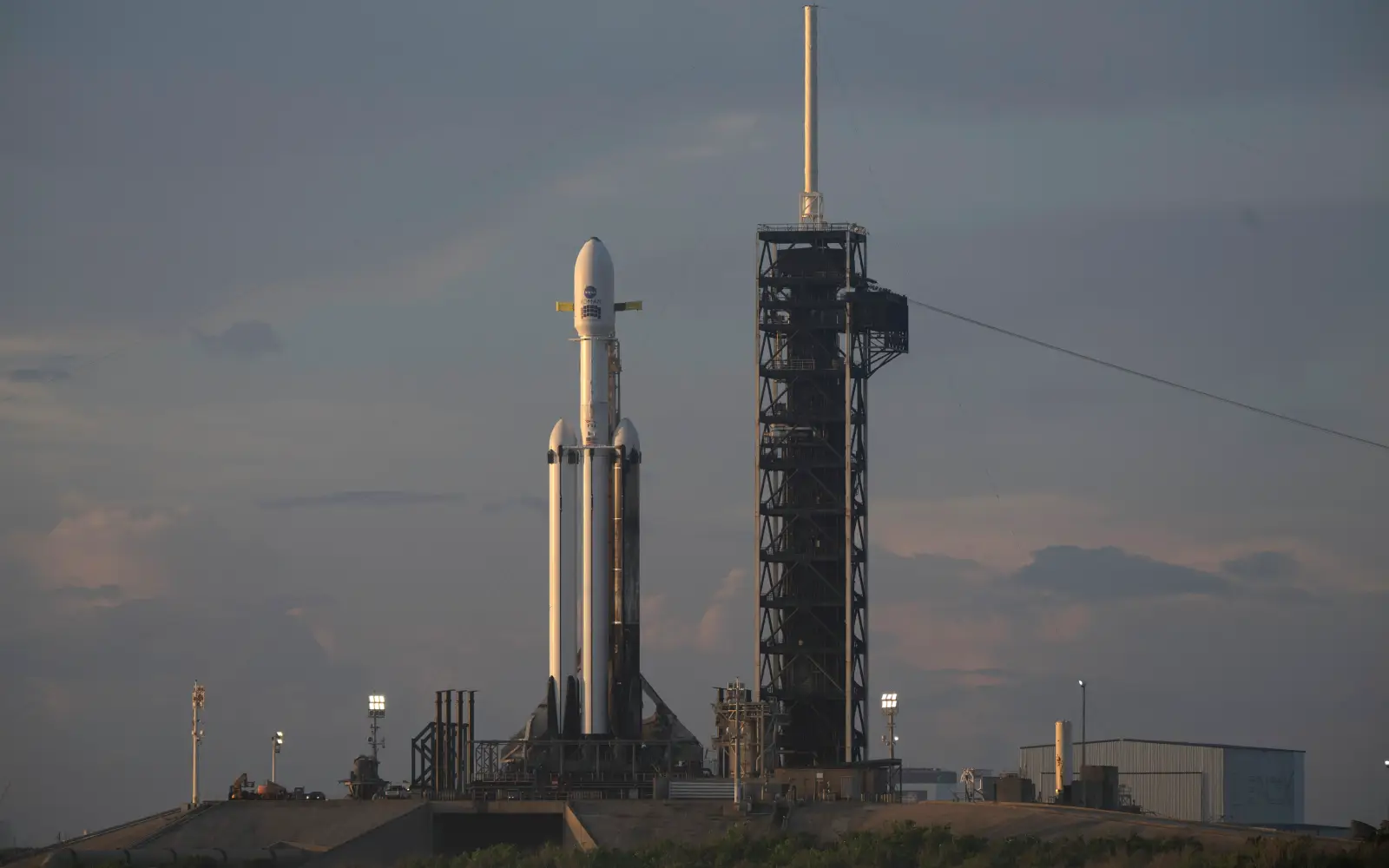
NASA's Roman Space Telescope launched shortly after daybreak from Kennedy Space Center and blazed toward an observation point 1 million miles away.
The $4.3 billion Roman Space Telescope was launched by NASA atop a SpaceX Falcon Heavy rocket on Sunday. The telescope will embark on a three-month journey to a location one million miles away from Earth, where it will map the cosmos using a wide-field camera with 300-megapixels. Equipped with a Hubble-class mirror originally built for a spy satellite, Roman aims to uncover clues about dark energy, which is causing the universe's acceleration, and dark matter, which holds galaxies together and comprises most of its mass.
The telescope will also employ an experimental coronagraph, featuring shape-shifting mirrors, to analyze light reflected from distant, dim suns and study the light emitted by Jupiter-sized planets, revealing details about their chemical composition. By the end of the mission, Roman is projected to discover over 100,000 exoplanets, catalog more than 20 billion stars, catalog 2 billion or more galaxies, and observe thousands of supernova blasts and transient events such as stars torn apart by black holes.
NASA's science chief, Nicky Fox, expressed excitement about the telescope's potential to revolutionize our understanding of the universe, shedding light on dark matter and dark energy, and resolving the Hubble tension, a discrepancy between early universe measurements and Hubble observations of a specific type of supernova. The $18,000 Nancy Grace Roman Space Telescope, named after NASA's first chief astronomer, will reach its destination, Lagrange Point No. 2, in about 100 days.
Written by urgent.news from CBS News's reporting — not their text. Machine-written — may contain errors; check the original before relying on it.
This story
This is one outlet's version. Read the fullest account.
- NASA Roman Space Telescope: Second Stage Fueling at 6:51 a.m. EDT science.nasa.gov