Will Australia be locked out of top scientific research by shunning Chinese universities?
Australia’s decision to axe partnerships with two Chinese universities has raised concerns that Canberra is moving to align with Washington on research security policy. The decision came after the United States expanded its restrictions on research entities from China. One analyst warned that Canberra’s latest move would not hinder Chinese progress, but it could leave Australia locked out of…
Australia's decision to cancel partnerships with two Chinese universities has sparked worries about the nation potentially being isolated from leading scientific research. The move follows the United States tightening restrictions on Chinese research entities. While some analysts argue Canberra's action won't halt Chinese progress, it could limit access to top-tier scientific research for Australians.
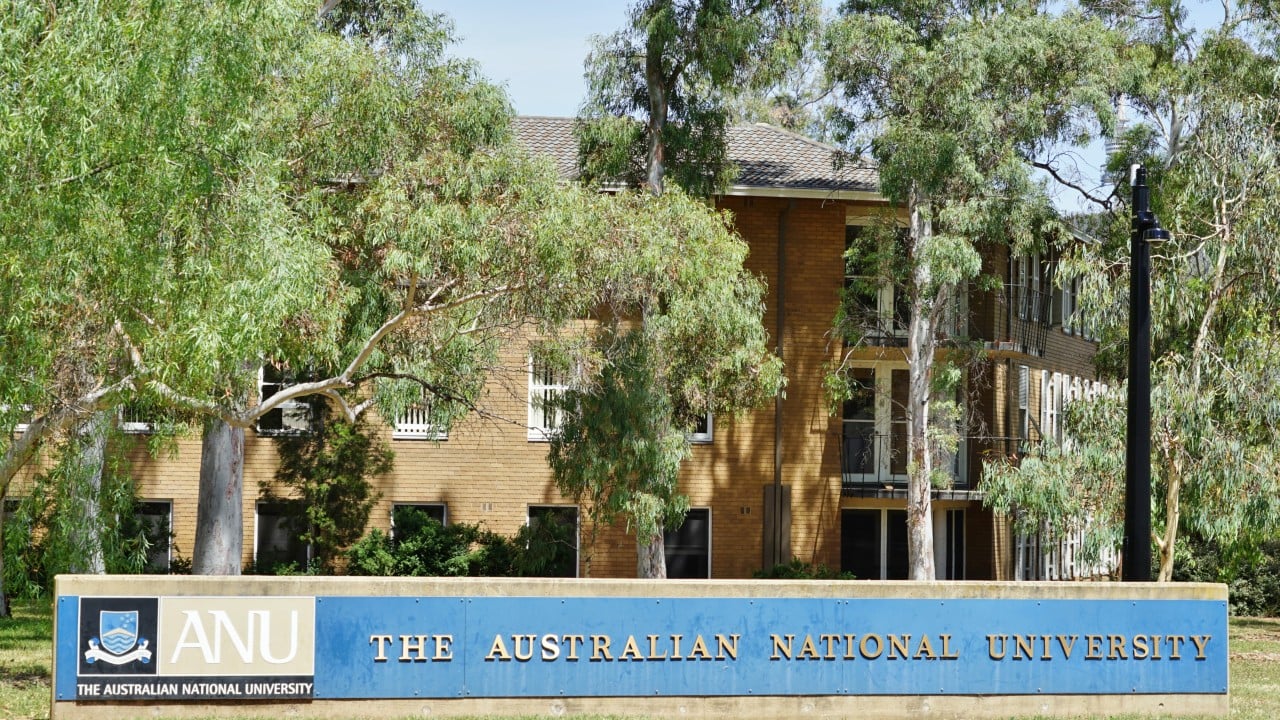
The Australian National University (ANU) officially complied with Foreign Minister Penny Wong's directive to discontinue its teaching partnership with Shandong University due to national security concerns. Similarly, the University of Queensland's research collaboration with the Chinese Academy of Sciences, aimed at developing pain relief from a native plant, was terminated citing security issues.
Chen Hong, director of the Australian Studies Centre at East China Normal University, suggested Canberra is aligning itself with Washington on research security. He noted that the US defines risk to Chinese institutions, while Australia reassesses its partnerships through the lens of allied security, signaling a shift towards institutional blacklisting based on political discretion.
The ANU's joint venture with Shandong University offered undergraduate programs in biology, chemistry, mathematics, and physics, while the pain relief research was part of a larger collaboration with the Queensland state government. Chen warned of growing political risks in joint projects, particularly in sensitive "dual-use" sectors like AI, quantum technology, advanced materials, biotechnology, data science, and autonomous systems.
James Laurenceson, director of the Australia-China Relations Institute at the University of Technology Sydney, said Wong's directive sent a clear political message to academia, encouraging Australian universities and researchers to steer clear of collaborations with China. Chen believed Canberra's alignment with Washington would create regulatory barriers for Chinese institutions in Australian academia while extending trust to Five Eyes partners.
Laurenceson described the cancelled partnerships as low risk and questioned whether Australian researchers could easily switch to US-aligned allies for such projects. He warned that policy-driven disruptions could prevent Australia from becoming a second-rate scientific research ecosystem, as China is currently leading in key fundamental research areas.
Despite the cancellations, Chinese foreign ministry spokesman Lin Jian criticized the overextension of national security concepts and politicization of scientific exchanges. Both Chen and Laurenceson expected the disruption of education and research ties between Australia and China to be limited, given their long-standing institutional relationships.
However, they acknowledged the government's veto of joint university projects indicated low political trust, but did not foresee it derailing the broader stabilisation agenda or causing significant fallout in trade.
Written by urgent.news from Reuters Business via SCMP's reporting — not their text. Machine-written — may contain errors; check the original before relying on it.