45 sheep brought to San Miguel Island grew to 6,000 in just 12 years
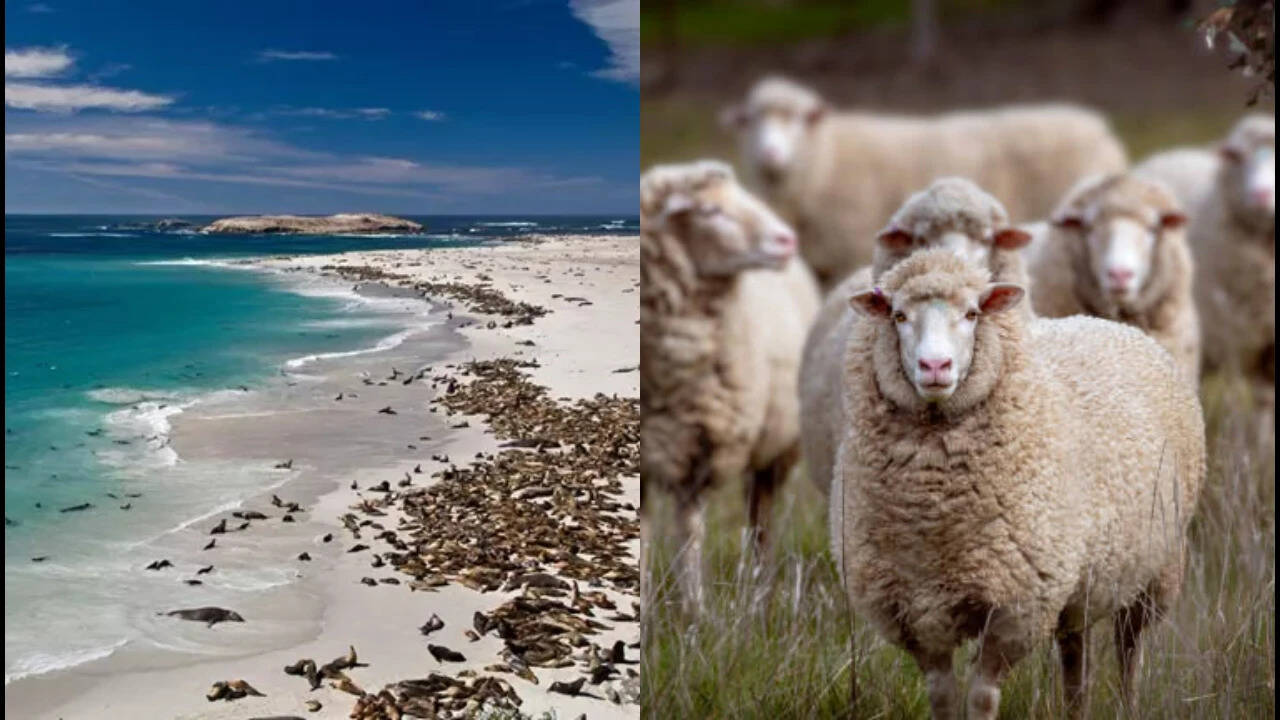
Once upon a time, San Miguel Island, now part of California's Channel Islands National Park, was home to a once-thriving sheep ranching empire. In 1850, George Nidever arrived on the island and brought along 45 sheep, marking the beginning of an era. Over the next dozen years, the flock swelled to approximately 6,000 sheep. However, the island's delicate environment could not sustain such heavy grazing for long.
In 1863 and 1864, Nidever faced immense losses due to drought, and the sheep had already caused significant damage to native vegetation. Consequently, the soil became exposed to wind and water erosion, leading to the proliferation of sand blowing over parts of the island. This environmental legacy would outlast the ranchers themselves.
After Nidever, the Mills brothers and their Pacific Wool Growing Company took over the sheep ranching industry on the island. They built various structures near Cuyler Harbor and continued to graze livestock across the island. One of the island's longest-residing residents was William G. Waters, who spent nearly 30 years developing a working ranch with fields, livestock facilities, workshops, and equipment.
Around 1906, Waters constructed a remarkable ranch house, designed to withstand the island's strong winds and mainly made of salvaged shipwreck materials. The ranch house boasted double walls, multiple rooms, and an enclosed courtyard, reflecting the harsh conditions of life on San Miguel.
Herbert and Elizabeth Lester, along with their two daughters, lived on the island and garnered national attention due to their unique way of life. Herbert Lester managed the ranch for Robert Brooks and adored the island's seclusion. The family worked diligently to transform the rugged ranch house into a home, cultivating a garden, maintaining supplies, and educating their children on the island.
However, their idyllic existence was abruptly cut short in 1942 with the demise of Herbert Lester. Elizabeth and her daughters eventually left the island, marking the end of another unforgettable chapter in San Miguel's ranching history.
As the mid-century approached, the environmental consequences of ranching on San Miguel Island became increasingly apparent, rendering the practice increasingly difficult to sustain. The Navy took control of the island for military purposes, and sheep grazing was gradually restricted. Robert Brooks was instructed to remove his livestock in 1948, yet hundreds of sheep remained in the island's rugged canyons.
In 1950, another roundup resulted in the death of a few more animals, but a handful of feral sheep managed to survive. The final roundup in 1966, undertaken by the National Park Service and Navy, identified 148 sheep, which were all removed by the end of the operation. Thus, more than a century of continuous sheep grazing on San Miguel Island came to an end.
Today, the abandoned ranch house that withstood decades of isolation was destroyed by fire in 1967 during Navy operations. The remaining remnants include rubble, metal fragments, a foundation piece, a fallen chimney, and the remnants of a fig tree. While the physical ranch may be gone, the ranching legacy lives on in the landscape of San Miguel Island.
The sheep, ranchers, and their families left an indelible mark on the island, demonstrating how human activities can transform even the most remote environments, with consequences that persist for generations.
Written by urgent.news from Times of India's reporting — not their text. Machine-written — may contain errors; check the original before relying on it.